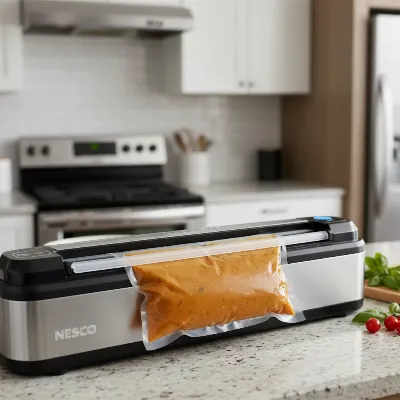
The bounty of fresh vegetables from a garden or farmer’s market is a delight, yet preserving that peak freshness can often feel like a race against time, leading to frustrating food waste. While blanching is a common and effective preservation technique, many wonder if it’s truly necessary for every vegetable before vacuum sealing. This comprehensive guide will explore the possibilities of vacuum sealing fresh vegetables without blanching, offering practical advice and essential food safety considerations to help you maximize your produce’s shelf life and enjoy garden-fresh flavors for longer.
Understanding Vacuum Sealing: Beyond the Basics
A vacuum sealer is a kitchen appliance designed to remove air from a package before sealing it, creating a low-oxygen environment. This simple yet powerful process significantly slows down the natural spoilage of food by inhibiting the growth of aerobic bacteria and mold, which thrive in the presence of oxygen. Beyond combating microbial growth, vacuum sealing also prevents oxidation, which can lead to discoloration and off-flavors, and it acts as a robust defense against freezer burn, preserving the texture and nutritional value of your food. For home cooks, this means less food waste, more efficient meal prep, and the ability to enjoy seasonal produce year-round.
Blanching, which involves briefly scalding vegetables in boiling water or steam followed by an immediate ice bath, is traditionally recommended before freezing most vegetables. Its primary purpose is to deactivate enzymes responsible for flavor, color, and texture degradation during cold storage. While blanching is highly effective for long-term preservation, particularly for many common vegetables, it adds an extra step to the process. For certain vegetables or specific storage goals, you can often skip this step, but understanding when and why is critical for both quality and safety.
The “Blanch-Free” List: Vegetables Suitable for Raw Vacuum Sealing
While blanching is a go-to method for many, certain vegetables can be successfully vacuum sealed raw, provided the right conditions and storage methods are applied. This approach is generally best for short-term refrigeration or specific types of robust vegetables when freezing.
For refrigeration, extending freshness for up to a few weeks, consider these options:
- Leafy Greens (Spinach, Lettuce, Arugula, Kale): These can be vacuum sealed raw, but using rigid vacuum containers instead of bags is often recommended to prevent crushing delicate leaves. Adding a dry paper towel can help absorb excess moisture and extend freshness. [cite: 1 (search 1)]
- Cherry Tomatoes: Ensure they are firm and completely dry before sealing for refrigerator storage.
- Sliced Cucumbers: Similar to tomatoes, these need to be very dry to prevent premature spoilage.
- Herbs (Parsley, Cilantro, Dill): For short-term refrigeration, raw herbs can benefit from vacuum sealing. Wrap them in a dry paper towel first.
- Bell Peppers (Sweet and Hot): These are excellent candidates for raw vacuum sealing and can be stored in the refrigerator or even frozen without blanching. [cite: 2 (search 4), 5 (search 2)]
- Root Vegetables (Carrots, Celery, Parsnips, Beets): Due to their low surface moisture and sturdy structure, these vegetables are well-suited for raw vacuum sealing for both refrigerated and frozen storage. Ensure they are thoroughly cleaned and dried. [cite: 1 (search 1), 2 (search 4), 5 (search 4)]
For freezing without blanching, options are more limited due to enzymatic activity:
- Bell Peppers: Both sweet and hot peppers can be diced or sliced and frozen raw after vacuum sealing. They maintain their quality remarkably well without blanching. [cite: 2 (search 4), 5 (search 2)]
- Robust Root Vegetables: Carrots and parsnips, when thoroughly dried and cut, can also be frozen raw after vacuum sealing, though their texture might become slightly softer after thawing compared to blanched versions.
The key to success with these blanch-free options is meticulous preparation and understanding their storage limitations.
Vegetables to Always Blanch or Avoid Vacuum Sealing Raw
Not all vegetables are suitable for raw vacuum sealing. Certain types pose significant risks to food quality, or even safety, if not handled correctly. It’s crucial to understand these distinctions to prevent spoilage and potential health hazards.
Cruciferous Vegetables: This category includes popular items such as broccoli, cauliflower, cabbage, Brussels sprouts, kale, bok choy, arugula, and turnips. These vegetables naturally emit gases, even after being harvested. If vacuum sealed raw, these gases will accumulate in the bag, causing it to puff up and accelerating spoilage, often resulting in sour odors and an unpleasant texture. Therefore, cruciferous vegetables must be blanched and thoroughly cooled before vacuum sealing, especially for refrigerated storage. [cite: 1, 5 (search 1), 1 (search 2), 3 (search 2), 5 (search 2)]
Onions and Garlic: Raw onions and garlic should not be vacuum sealed. They are known to emit gases that can quickly spoil the food. More critically, the low-oxygen environment created by vacuum sealing can foster the growth of Clostridium botulinum, an anaerobic bacterium that produces a deadly toxin causing botulism. [cite: 3, 5 (search 1), 3 (search 2), 5 (search 2)] This risk is present even in refrigerated conditions for some strains.
Mushrooms: Fresh mushrooms should also be avoided for raw vacuum sealing as they tend to spoil quickly in an anaerobic environment. [cite: 3 (search 1), 3 (search 3)]
Soft or High-Moisture Foods: While not necessarily unsafe, delicate or very moist vegetables and fruits can suffer in quality if vacuum sealed raw. Items like soft berries or some varieties of tomatoes might be crushed or have their juices drawn into the sealer, compromising the seal and texture. For such items, flash freezing them solid on a tray before vacuum sealing is highly recommended to protect their integrity and prevent damage to your machine. [cite: 3 (search 1), 3 (search 3)]
> “Understanding which foods are safe to vacuum seal raw and which require blanching or other pre-treatment is paramount. The primary goal is always to prevent spoilage and potential foodborne illnesses, not just to extend shelf life.” – Dr. Alice Chen, Food Safety Expert
Preparing Vegetables for Blanch-Free Vacuum Sealing
Even when skipping the blanching step, proper preparation is key to successful raw vegetable preservation with a vacuum sealer. Each step ensures maximum freshness and a secure seal.
- Thorough Cleaning: Begin by meticulously washing all vegetables under cold running water to remove any dirt, pesticides, or surface bacteria.
- Meticulous Drying: This is perhaps the most critical step for blanch-free sealing. Any residual moisture can lead to a weak seal, freezer burn, or even promote bacterial growth. Use clean paper towels or a salad spinner to dry vegetables completely. Allow air drying on a clean cloth for tougher vegetables.
- Portioning and Cutting: Cut vegetables into uniform, manageable pieces suitable for your intended future use. This allows for more efficient thawing and cooking, and helps them lie flatter in the vacuum seal bags.
- Flash Freezing (Optional but Recommended for many): For softer or juicier vegetables like bell peppers, or for any vegetable you plan to freeze long-term, flash freezing is a game-changer. Spread the prepared vegetable pieces in a single layer on a baking sheet and freeze until solid (typically 1-2 hours). This prevents them from clumping together, maintains their texture, and keeps sharp edges from piercing the vacuum bag. It also prevents liquids from being drawn into the sealer’s pump, which can damage the machine.
- Using Paper Towels (for delicate greens in containers): When vacuum sealing delicate leafy greens in rigid containers, place a dry paper towel inside with the greens. This helps absorb any excess moisture, further extending their crispness.
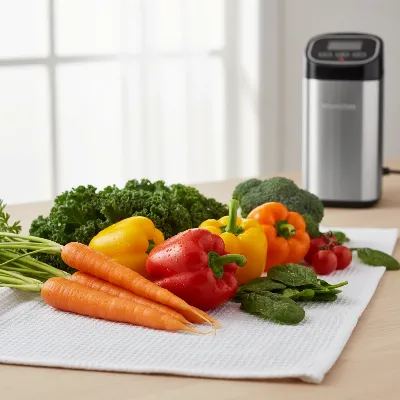 Fresh vegetables being dried on a clean towel, prepared for blanch-free vacuum sealing, with a vacuum sealer visible in the background.
Step-by-Step Guide to Vacuum Sealing Raw Vegetables
Follow these steps to safely and effectively vacuum seal your chosen raw vegetables:
- Select the Right Vegetables: Refer back to the “Blanch-Free” list to ensure your chosen vegetables are suitable for raw vacuum sealing. Avoid gas-emitting or high-risk vegetables like broccoli, garlic, or onions.
- Wash and Dry Thoroughly: Clean your vegetables meticulously and ensure they are absolutely dry. Pat them vigorously with paper towels or use a salad spinner for greens. Any moisture can compromise the seal and foster spoilage.
- Prepare Your Produce: Cut, chop, or portion your vegetables according to your meal planning needs. Smaller, uniform pieces are generally easier to seal and thaw. Remove any stems, seeds, or bruised spots.
- Pre-Freeze (If Applicable): If you are sealing softer vegetables or plan to freeze them for an extended period, flash freeze them first. Arrange the prepared pieces in a single layer on a tray and place in the freezer until solid. This prevents crushing and aids in preserving texture.
- Place in Bag or Container: Use high-quality, durable vacuum sealer bags or rigid vacuum containers. Do not overfill the bags; leave at least 3-4 inches of space at the top for proper sealing. For delicate items like leafy greens, rigid containers are preferable to prevent crushing.
- Vacuum and Seal: Place the open end of the bag into your vacuum sealer according to the manufacturer’s instructions. Ensure the sealing area is clean and free from food particles or moisture. Activate the vacuum and seal function. For moist items, some sealers have a “moist” setting, or you can use the “pulse” function to control the vacuum strength.
- Label and Store: Immediately label each bag or container with the contents and the date of sealing. This is crucial for food rotation. Store the sealed vegetables promptly in the refrigerator or freezer, depending on the vegetable type and your intended storage duration.
Maximizing Shelf Life: Storage Tips and Best Practices
Vacuum sealing significantly extends the life of raw vegetables, but proper storage conditions are still paramount to ensure safety and quality.
- Refrigeration vs. Freezing: Understand the difference in shelf life. Vacuum-sealed raw vegetables stored in the refrigerator can typically last 1 to 4 weeks, a substantial improvement over the usual 3-7 days. For example, carrots and celery can last up to a month in the fridge. [cite: 1 (search 2), 4 (search 4)] Freezing vacuum-sealed vegetables offers much longer preservation, with many items lasting 1-2 years or even longer. [cite: 1 (search 2), 3 (search 3)]
- Temperature Consistency: Always store vacuum-sealed food in consistently cold environments. For refrigerated items, aim for 40°F (4°C) or below. For frozen items, keep your freezer at 0°F (-18°C) or below. Fluctuations in temperature can compromise food safety and quality.
- Proper Bag and Container Selection: Invest in durable, BPA-free vacuum sealer bags or rigid containers designed for food storage. These are thicker and more resilient than standard freezer bags, providing a more reliable barrier against air and moisture. Rigid containers are especially useful for delicate items that might get crushed in bags.
- Monitoring for Spoilage: Even with vacuum sealing, it’s essential to check your food regularly. Look for any signs of bag puffing (a definite sign of gas-emitting spoilage, especially if raw cruciferous vegetables were mistakenly sealed), unusual odors, discoloration, or mold. If any of these signs appear, discard the food immediately. The vacuum seal slows spoilage, but it does not stop it completely or sterilize the food.
- Thawing Practices: When ready to use frozen, vacuum-sealed raw vegetables, thaw them in the refrigerator, under cold running water, or directly add them to cooking without thawing. Avoid thawing at room temperature, as this can encourage bacterial growth.
Common Pitfalls and Troubleshooting
Even with the best intentions, issues can arise when vacuum sealing raw vegetables. Knowing how to identify and address them can save your produce and your peace of mind.
- Bag Not Sealing Properly: This is often due to moisture, food particles, or wrinkles on the sealing strip. Ensure the top of the bag is absolutely clean and dry before sealing. You might need to cut off a small portion of the bag and reseal.
- Loss of Vacuum or Bag Puffing: If your vacuum-sealed bag loses its vacuum or, worse, visibly inflates, it’s usually a clear sign that you’ve sealed a gas-emitting vegetable (like raw broccoli or cabbage) or that there’s microbial activity. This indicates spoilage, and the food should be discarded to avoid health risks. It can also occur if the seal was imperfect.
- Mushy Texture After Thawing: This can happen with softer vegetables if they were over-vacuumed or not flash frozen prior to sealing. The strong vacuum pressure can compress delicate cells. Flash freezing helps the vegetables hold their shape and structure.
- Food Spoilage Despite Sealing: If food spoils despite being vacuum sealed, it could be due to several factors:
- Incorrect Vegetable Choice: Sealing vegetables that should have been blanched (e.g., cruciferous) or avoided raw (e.g., garlic, onions).
- Inadequate Preparation: Not thoroughly cleaning or drying the vegetables, leaving surface bacteria or moisture.
- Botulism Risk: For certain low-acid vegetables, the anaerobic environment can promote Clostridium botulinum growth if proper food safety guidelines (like refrigeration) are not strictly followed or if unsafe items were sealed. Always store vacuum-sealed perishable foods in the refrigerator or freezer.
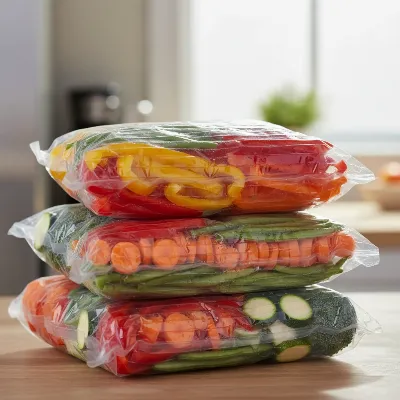 Close-up of clear vacuum sealer bags containing vibrant, fresh, raw vegetables like bell peppers and carrots, stacked neatly for storage.
Conclusion
Vacuum sealing fresh vegetables without blanching is a practical and effective method for extending their shelf life, offering convenience and reducing food waste. While not suitable for all types of produce, carefully selected items like bell peppers, root vegetables, and leafy greens can thrive under this preservation technique, especially for short-term refrigeration. Prioritizing thorough washing, meticulous drying, and, when necessary, flash freezing will pave the way for successful blanch-free sealing. Always be mindful of the vegetables that must be blanched or completely avoided when raw, such as cruciferous vegetables, onions, and garlic, due to safety and quality concerns. By understanding these nuances, you can confidently utilize your vacuum sealer to keep your produce fresher for longer, bringing delicious, nutrient-rich ingredients to your table any time of the year.
What fresh, raw vegetables will you preserve first with your vacuum sealer?
Frequently Asked Questions
Can I vacuum seal lettuce raw?
|
Our Picks for the Best Vacuum Sealer in 2026
As an Amazon Associate I earn from qualifying purchases.
|
||
| Num | Product | Action |
|---|---|---|
| 1 | Chef Preserve Compact Vacuum Sealer for Food (Vacuum Sealer Machine + 30 Reusable Vacuum Bags) Powerful Handheld Vacuum Sealer Machine, Seal Meal Saver, Portable Food Sealer |

|
| 2 | Anybear Vacuum Sealer Machine, 90kPa 120W Wide Seal All-IN-1 Powerful Food Storage, Build-in Cutter | Bags Storage | Digital Countdown Display | 2 Bag Rolls and 5pcs Pre-cut Bags (Gray) |
|
| 3 | NutriChef Food Vacuum Sealer Machine - Automatic Air Sealing System for Dry & Moist Foods, LED Touch Controls, Includes Vacuum Bags, Hose & Wine Stopper, High Suction Power, 14"x6"x3", Silver |
|
| 4 | Mesliese Vacuum Sealer Machine Powerful 90Kpa Precision 6-in-1 Compact Food Preservation System with Cutter, 2 Bag Rolls & 5 Pre-cut Bags, Widened 12mm Sealing Strip, Dry&Moist Modes (Silver) |
|
| 5 | Nesco Deluxe Food VS-12 Vacuum Sealer, 130 Watts, Kit Bags & Viewing Lid, Compact, Silver |
|
| 6 | FoodSaver Vacuum Sealer Machine, Automatic Bag Detection, Sous Vide Friendly, with sealer bags, roll, handheld vacuum sealer, black |
|
| 7 | 90KPa Portable Vacuum Sealer Machine for Food, One-Touch Open Lid, Detachable & Easy to Clean, Vertical Placement Saves Space, Powerful Suction for Freezer Bags & Food Storage |
|
| 8 | Food Vacuum Sealer Machine, Powerful & Continuous Vacuum Sealing for Kitchen Storage & Meal Prep, Wet & Dry Food Sealing, Detachable Upper & Lower Design for Easy Cleaning, Includes 50 Bags |
|
| 9 | FoodSaver PowerVac Compact Vacuum Sealing Machine Stainless Steel & Black Vertical Storage VS0150 | Preserves freshness reduces bag waste for both dry and wet food |
|
| 10 | 95kPa Precision Vacuum Sealer Machine, Double Heat Seal for Dry/Moist Food, Easy-Lock Handle, Built-in Bag Storage & Cutter, Progress Display, Pulse Mode, Removable Drip Tray, Silver |
|
Yes, you can vacuum seal raw lettuce, but it’s best to use a rigid vacuum container rather than a bag to prevent crushing. Place a dry paper towel inside to absorb moisture, and store it in the refrigerator for extended freshness, typically up to two weeks.
How long do raw vacuum-sealed vegetables last in the fridge?
The shelf life of raw vacuum-sealed vegetables in the refrigerator varies by type but generally ranges from one to four weeks. Sturdier vegetables like carrots and celery can last longer, sometimes up to a month, while softer greens might last one to two weeks.
Is it safe to vacuum seal raw garlic or onions?
No, it is generally not safe to vacuum seal raw garlic or onions. These vegetables emit gases that can lead to rapid spoilage and, more importantly, create an anaerobic environment that can promote the growth of Clostridium botulinum, a bacterium that produces a dangerous toxin.
What happens if I vacuum seal raw broccoli?
If you vacuum seal raw broccoli or other cruciferous vegetables (like cauliflower or cabbage), they will emit natural gases that will cause the vacuum bag to puff up. This trapped gas accelerates spoilage, leading to off-odors and a degraded texture, making the vegetable unfit for consumption.
Do I need a special vacuum sealer for raw vegetables?
Most standard household vacuum sealers are suitable for raw vegetables. However, for delicate items like leafy greens, rigid vacuum containers are recommended over bags to prevent crushing. Ensure your sealer has a “dry” setting or a “pulse” function for better control when sealing raw produce.