Tired of throwing away spoiled food, seeing freezer burn ruin your meal prep, or constantly running to the grocery store? A vacuum sealer can revolutionize your kitchen, preserving food freshness and saving you money. While some high-end models can be pricey, the good news is that you don’t need to break the bank to get a reliable, efficient vacuum sealer. With a little savvy, you can find excellent budget-friendly options that deliver impressive performance without compromising on quality. This guide will help you navigate the world of affordable vacuum sealers, ensuring your food stays fresh longer and your wallet stays happy.
What is a Vacuum Sealer? Why You Need One?
A vacuum sealer is a kitchen appliance designed to remove air from specially designed bags or containers before sealing them. This simple yet powerful process creates an airtight environment, which is the secret to extending food’s shelf life. The core principle involves a vacuum pump that extracts oxygen, followed by a heat sealing bar that creates a secure, impenetrable seal.
The benefits of incorporating a vacuum sealer into your kitchen routine are numerous. Firstly, it dramatically extends food preservation, keeping items fresh up to five times longer than traditional methods. Imagine fresh meat lasting for years in the freezer instead of months, or cheese staying good for many weeks in the refrigerator. This extended freshness directly translates to reduced food waste and significant cost savings, as you can buy in bulk, take advantage of sales, and preserve garden harvests without fear of spoilage.
Beyond longevity, vacuum sealing prevents freezer burn by eliminating the air pockets that cause moisture loss and ice crystal formation. This means your frozen foods retain their original taste, texture, and nutritional value. For those who enjoy sous vide cooking, a vacuum sealer is an indispensable tool, ensuring ingredients are perfectly sealed for precise temperature control. It’s also excellent for marinating foods faster, as the vacuum process opens up the food’s pores, allowing marinades to penetrate deeply in minutes rather than hours. Lastly, vacuum-sealed items are compact and organized, freeing up valuable space in your pantry, fridge, and freezer.
Popular Types of Vacuum Sealers
Understanding the different types of vacuum sealers available can help you pinpoint the best option for your budget and specific needs. Generally, vacuum sealers are categorized by their design and capacity.
Handheld Vacuum Sealers are the most compact and affordable type. These small, often battery-operated devices are ideal for light, occasional use with zipper-top bags or specific containers. Their main advantages are portability and ease of storage, making them perfect for small kitchens or for sealing snacks on the go. However, their suction power is typically lower, and they are usually limited to smaller, pre-made bags, which might not be cost-effective in the long run.
Household or External Vacuum Sealers are the most common type for home use. These countertop units work by clamping down on the open end of a vacuum sealer bag, extracting air, and then heat-sealing the opening. They offer superior suction power compared to handheld models and are versatile enough to handle rolls of bags, allowing you to customize bag sizes. Many come with features like wet/dry food settings, pulse functions for delicate items, and accessory ports for sealing canisters. While larger than handheld units, many budget-friendly external sealers are still quite compact and designed for easy storage. They strike a good balance between performance, features, and price for the average home cook.
Industrial or Chamber Vacuum Sealers are typically used in commercial settings, such as restaurants or large-scale food processing. These machines feature an enclosed chamber where the entire bag is placed, allowing for powerful, consistent vacuuming, even with liquids. Chamber sealers are highly efficient and durable but come with a much higher price tag and a significantly larger footprint, making them impractical for most home kitchens, especially when sticking to a budget under $100.
Table: Comparison of Vacuum Sealer Types
| Feature | Handheld Vacuum Sealers | Household (External) Vacuum Sealers | Industrial (Chamber) Vacuum Sealers |
|---|---|---|---|
| Cost | Low (Typically under $50) | Mid-Low (Many under $100, up to $200+) | High (Starts at $300+, often $1000+) |
| Size | Very Compact, Portable | Medium, Countertop or Stored | Large, Countertop or Floor-standing |
| Power/Suction | Low | Moderate to High | Very High, Consistent |
| Bag Type | Special zipper bags/containers | Embossed rolls/bags | Smooth or embossed bags |
| Liquid Sealing | Poor to None | Good (with careful technique, drip tray) | Excellent (can seal liquids directly) |
| Speed | Slow, manual | Moderate | Fast, high volume |
| Features | Basic vacuum/seal | Wet/dry modes, pulse, accessory port, cutter | Advanced controls, marinate, gas flush |
| Best For | Snacks, small items, light use | Everyday home use, bulk buying, meal prep | Commercial kitchens, large volume, liquids |
How to Choose the Right Budget Vacuum Sealer
Selecting the perfect vacuum sealer when you’re on a budget requires careful consideration of several factors. By focusing on what truly matters for your needs, you can avoid unnecessary features and get the best value for your money.
First, assess your usage needs. What types of food will you be sealing most often? If it’s primarily dry goods like nuts, coffee beans, or dehydrated fruits, basic models will suffice. If you plan to seal meats, moist vegetables, or use it for sous vide, look for features like “wet” or “moist” settings and a removable drip tray to catch any liquids that might be drawn into the machine. Consider the quantity of food you’ll be sealing; if you’re doing large batch cooking or preserving a big garden harvest, a model with a faster cycle time and less cool-down period between seals will be more efficient.
Your budget is, of course, a primary concern. Sticking to the under $100 price point means focusing on reliable external vacuum sealers. Remember to also factor in the ongoing cost of bags and rolls, as these are consumable and can add up over time. Some budget sealers come with a starter kit of bags, which is a nice bonus.
Size and design are important for kitchen ergonomics. If counter space is limited, look for compact models that can be easily stored in a drawer or cabinet. Some sealers have integrated roll storage and a cutter, which adds convenience but might increase the overall footprint. Consider how easily the machine can be cleaned, as this impacts long-term maintenance.
Power and vacuum pressure (often measured in “Hg or kPa) determine how effectively the sealer removes air. While budget models won’t match industrial strength, a good home sealer should still offer strong suction to create a tight, lasting seal. Look for machines with a wattage of 110-130 watts, as this generally indicates a more reliable vacuum pump.
Additional features can significantly enhance usability. A “pulse” function is excellent for delicate foods like pastries or soft fruits, allowing you to control the vacuum manually to prevent crushing. “Wet” and “dry” modes optimize sealing for different food consistencies. A built-in bag cutter and roll storage streamline the process, eliminating the need for scissors. An accessory port is valuable if you want to use the sealer with external containers, jars, or wine stoppers. Finally, a double-seal function can provide an extra layer of security, especially for foods intended for very long-term storage or sous vide.
Lastly, always check the brand reputation and user reviews. Brands like Geryon, Anova Culinary, and NutriChef frequently receive positive feedback for their budget-friendly offerings. Reading user experiences can offer real-world insights into a product’s performance and reliability. Purchase from reputable retailers to ensure you receive genuine products and have access to customer support and warranties.
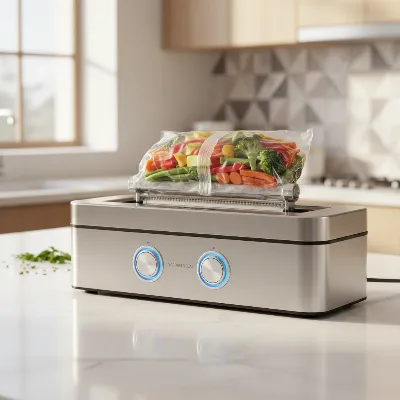 A compact household vacuum sealer on a modern kitchen counter, with food being sealed in a bag, illustrating ease of use and space efficiency.
Top Budget Vacuum Sealers Under $100 in 2026
Finding a high-performing vacuum sealer without exceeding a $100 budget is entirely possible in 2026. Several brands offer excellent value, balancing essential features with reliable performance. Here are some of the top contenders that frequently receive high marks from users and experts alike:
GERYON Vacuum Sealer Machine
The GERYON Vacuum Sealer Machine is consistently lauded as one of the best budget options on the market, often priced around $40-$50. Its popularity stems from its robust performance at an unbeatable price point.
- Pros: Extremely budget-friendly, lightweight and compact (around 2.6 lbs), features wet and dry food settings, includes a gentle option for delicate items, and comes with a starter kit (bag roll, pre-cut bags, vacuum hose). It’s praised for effectively sealing meats and its quiet operation.
- Cons: Some users find it can be a bit unstable during sealing, and it may lack advanced features found in pricier models.
- Specifications: Dimensions: 14.4″ x 5.5″ x 2.56″; Wattage: 110 watts.
- Ideal for: First-time vacuum sealer users, those with limited counter space, and budget-conscious buyers seeking reliable basic functionality.
|
Our Picks for the Best Vacuum Sealer in 2026
As an Amazon Associate I earn from qualifying purchases.
|
||
| Num | Product | Action |
|---|---|---|
| 1 | Chef Preserve Compact Vacuum Sealer for Food (Vacuum Sealer Machine + 30 Reusable Vacuum Bags) Powerful Handheld Vacuum Sealer Machine, Seal Meal Saver, Portable Food Sealer |

|
| 2 | 90KPa Portable Vacuum Sealer Machine for Food, One-Touch Open Lid, Detachable & Easy to Clean, Vertical Placement Saves Space, Powerful Suction for Freezer Bags & Food Storage |
|
| 3 | FoodSaver PowerVac Compact Vacuum Sealing Machine Stainless Steel & Black Vertical Storage VS0150 | Preserves freshness reduces bag waste for both dry and wet food |
|
| 4 | FoodSaver Vacuum Sealer Machine, Automatic Bag Detection, Sous Vide Friendly, with sealer bags, roll, handheld vacuum sealer, black |
|
| 5 | Food Vacuum Sealer Machine, Powerful & Continuous Vacuum Sealing for Kitchen Storage & Meal Prep, Wet & Dry Food Sealing, Detachable Upper & Lower Design for Easy Cleaning, Includes 50 Bags |
|
| 6 | NutriChef Food Vacuum Sealer Machine - Automatic Air Sealing System for Dry & Moist Foods, LED Touch Controls, Includes Vacuum Bags, Hose & Wine Stopper, High Suction Power, 14"x6"x3", Silver |
|
| 7 | 95kPa Precision Vacuum Sealer Machine, Double Heat Seal for Dry/Moist Food, Easy-Lock Handle, Built-in Bag Storage & Cutter, Progress Display, Pulse Mode, Removable Drip Tray, Silver |
|
| 8 | Anybear Vacuum Sealer Machine, 90kPa 120W Wide Seal All-IN-1 Powerful Food Storage, Build-in Cutter | Bags Storage | Digital Countdown Display | 2 Bag Rolls and 5pcs Pre-cut Bags (Gray) |
|
| 9 | Nesco Deluxe Food VS-12 Vacuum Sealer, 130 Watts, Kit Bags & Viewing Lid, Compact, Silver |
|
| 10 | Mesliese Vacuum Sealer Machine Powerful 90Kpa Precision 6-in-1 Compact Food Preservation System with Cutter, 2 Bag Rolls & 5 Pre-cut Bags, Widened 12mm Sealing Strip, Dry&Moist Modes (Silver) |
|
Anova Culinary Precision Vacuum Sealer
Known for its quality sous vide equipment, Anova also offers a highly-regarded vacuum sealer that often falls into the $70-$80 range, making it a strong budget contender.
- Pros: Compact and lightweight design (just over 2 lbs), highly intuitive with only three buttons (vacuum and seal, seal, pulse vacuum), excellent for sous vide enthusiasts, consistently creates a strong seal, and offers a pulse option for delicate foods.
- Cons: Does not include built-in roll storage or a cutter.
- Specifications: Small profile of 15 inches x 4 inches.
- Ideal for: Sous vide users, those valuing a simple, minimalist design, and individuals looking for a compact yet powerful machine for general food preservation.
NutriChef PKVS 12-inch Vacuum Sealer
The NutriChef PKVS 12-inch Vacuum Sealer is a popular choice known for its sleek design, portability, and user-friendly operation, typically available for around $60-$80.
- Pros: Sleek and modern appearance, compact for minimal storage space, multiple settings for various foods (dry to wet), gentle setting for delicate items, and an informative manual for easy setup. It’s often praised for its simplicity and effectiveness.
- Cons: Some models might not include integrated roll storage or a cutter.
- Specifications: Accommodates bags up to 12 inches wide.
- Ideal for: Users who prioritize aesthetics and ease of use, those needing a compact sealer for regular home use, and beginners looking for straightforward operation.
FoodSaver FM2000 Vacuum Sealing System
While some FoodSaver models are more expensive, the FM2000 is frequently cited as an excellent “best value” option that can often be found under $100. It’s a foundational model from a well-known brand in food preservation.
- Pros: Basic, easy to use, and affordable, effective at creating strong seals, includes a removable drip tray for easy cleaning. A trusted brand with good customer support.
- Cons: Does not typically feature a built-in bag cutter or roll storage, requiring manual cutting and separate storage for rolls.
- Ideal for: Users seeking a reliable, no-frills vacuum sealer from a reputable brand, those comfortable with manual bag cutting, and individuals prioritizing value over advanced features.
These models represent some of the best budget-friendly options available in 2026, each offering a solid blend of performance, features, and affordability to keep your food fresh and your kitchen efficient.
Using and Maintaining Your Vacuum Sealer
Maximizing the lifespan and effectiveness of your budget vacuum sealer relies heavily on proper usage and consistent maintenance. These simple steps will help you get the most out of your appliance.
How to Use Your Vacuum Sealer
- Prepare Your Food: Always ensure food is cool or at room temperature before sealing. Hot food can create steam, which interferes with the vacuum seal and promotes bacterial growth. For moist foods or those with liquids (like marinated meats), pre-freeze them slightly or place a paper towel at the top of the bag to prevent liquids from being drawn into the machine, which can damage the pump.
- Select the Right Bag: Use only vacuum sealer-specific bags or rolls, as they are designed with texture or multiple layers to allow air to be extracted effectively and to withstand the vacuum process. Cut the bag to size, leaving at least 3-4 inches of extra space at the top beyond your food for proper sealing.
- Position the Bag: Place the open end of the bag into the vacuum channel of your machine. Ensure it lies flat and smooth, without wrinkles, across the sealing bar. Close the lid or engage the latch mechanism according to your model’s instructions.
- Vacuum and Seal: Choose the appropriate setting (e.g., dry, moist, gentle, or pulse for delicate items). Activate the vacuum function. The machine will extract the air, then automatically or manually initiate the heat sealing process. Once sealed, release the lid and remove your perfectly packaged food.
- Store Sealed Food: Properly label your vacuum-sealed bags with the date and contents. Store them in the refrigerator, freezer, or pantry according to the food type. The airtight seal will protect against oxidation and freezer burn, significantly extending their freshness.
How to Maintain Your Vacuum Sealer
Consistent care will ensure your vacuum sealer operates efficiently for years.
- Clean After Each Use: Always unplug the machine before cleaning. Wipe down the sealing bar and the vacuum channel, especially if any liquids or food particles were drawn into it. Most drip trays are removable and dishwasher-safe or can be hand-washed. Keeping these areas clean prevents residue buildup that could lead to poor seals or damage.
- Inspect Gaskets and Sealing Strips: Periodically check the rubber gaskets and sealing strips for any signs of wear, cracks, or food debris. These components are crucial for creating a tight vacuum seal. Clean them gently with a damp cloth; if they are significantly damaged, they may need to be replaced.
- Store Properly: Store your vacuum sealer in a dry, cool place. If your model has a locking lid, store it in the unlocked position to prevent compression of the gaskets, which can reduce their effectiveness over time.
- Check Accessories: If your sealer uses a hose for canisters or jars, ensure it’s clean and free of blockages. Regularly check bags and rolls for proper condition before use.
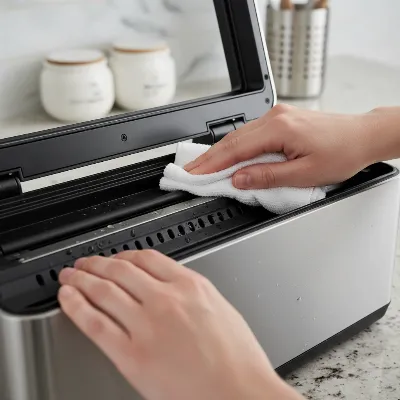 A person carefully wiping down the sealing strip and drip tray of a household vacuum sealer with a cloth, demonstrating essential maintenance steps.
Common Issues and How to Fix Them
Even the best budget vacuum sealers can encounter minor issues. Knowing how to troubleshoot common problems can save you time and frustration.
- Machine Not Turning On or Operating: First, ensure the power cord is securely plugged into both the machine and a working electrical outlet. Check your circuit breaker. If the machine has a lid-locking mechanism, ensure it is fully engaged. Some models also have a safety switch that prevents operation if the lid isn’t properly latched.
- Machine Not Vacuuming Properly or Not Getting a Tight Seal: This is often due to an improper bag placement or issues with the sealing area. Make sure the open end of the bag is perfectly flat, smooth, and centered within the vacuum channel, without any wrinkles. Check that there’s enough space (at least 3-4 inches) between the food and the top of the bag. Inspect the sealing strip and rubber gaskets for any food debris, moisture, or damage; even a small particle can break the seal. Clean these components thoroughly. If the gaskets are worn or cracked, they may need replacement.
- Machine Running But Not Sealing: If the vacuum pump works but the bag isn’t sealing, the heat sealing bar might be faulty or dirty. Clean the sealing bar and ensure no plastic residue is stuck to it. Allow the machine to cool down between multiple seals, as overheating can sometimes affect the sealing function. If the problem persists, the heating element might be damaged.
- Bags Melting or Tearing During Sealing: This typically happens if the heat sealing time is too long for the bag material, or if the bag is too thin. Ensure you are using bags specifically designed for vacuum sealing. If your machine has adjustable heat settings, try a lower setting. Double-check that the bag is correctly positioned and not directly over the heating element before the vacuum cycle.
- Liquids Being Drawn Into the Machine: This is common with very moist foods. To prevent this, slightly pre-freeze liquids or very wet items before sealing. Alternatively, place a folded paper towel at the top of the bag, just below the sealing area, to absorb any excess moisture before it reaches the vacuum channel. Using the “moist” setting, if available, can also help. Always clean the drip tray and vacuum channel immediately if liquids enter.
By following these troubleshooting tips, you can quickly address most common issues and keep your budget vacuum sealer running smoothly, continuing to enjoy its food-preserving benefits.
Conclusion
Investing in a budget-friendly vacuum sealer under $100 is a smart move for any home. You don’t need to spend a fortune to significantly extend your food’s shelf life, prevent freezer burn, and reduce food waste. With options like the Geryon, Anova Culinary Precision, and NutriChef, you can enjoy robust performance and essential features without breaking your budget. By choosing a model that aligns with your specific needs, maintaining it properly, and knowing how to troubleshoot minor issues, you’ll unlock a world of convenient food preservation. So, why not give your food a fresh start and transform your kitchen efficiency? What will you vacuum seal first?
Frequently Asked Questions
Can I use regular freezer bags with a vacuum sealer?
No, you cannot use regular freezer bags with most vacuum sealers. Standard freezer bags are too thin and lack the textured channels necessary for external vacuum sealers to extract air effectively and create a strong, consistent seal. You need to use specially designed vacuum sealer bags or rolls, which are thicker, more durable, and typically have an embossed texture to allow air to be pulled out.
How much money can a vacuum sealer save me?
A vacuum sealer can save you a significant amount of money over time by reducing food waste. By extending the shelf life of food up to five times longer, you can buy in bulk when items are on sale, preserve leftovers, and store garden harvests. This means less food gets thrown away dueably to spoilage or freezer burn, leading to substantial savings on your grocery bill each month.