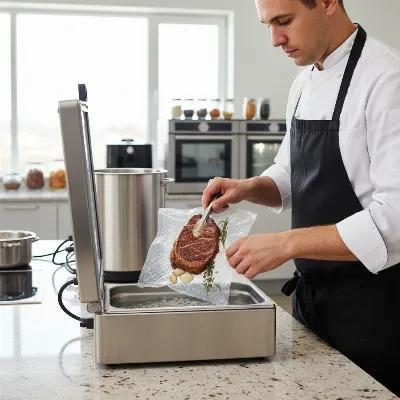
Are you tired of freezer burn ruining your carefully prepared soups, sauces, or marinated meats? Dealing with liquids can be tricky when it comes to food preservation, often leading to messy spills or incomplete seals. A quality vacuum sealer, especially one designed with a double seal, can revolutionize how you store food, locking in freshness and preventing waste. This comprehensive guide, crafted from over a decade of hands-on experience, will explore the world of vacuum sealers, focusing on models that excel with liquids and ensuring an optimal seal every time. Let’s dive in to discover the best solutions for extending the life of your culinary creations.
What is a Vacuum Sealer and Why Do You Need One?
A vacuum sealer is a kitchen appliance that removes air from a food storage bag or container and then seals it, creating an airtight environment. This process significantly slows down the natural spoilage process by inhibiting the growth of mold, yeast, and bacteria that thrive in oxygen-rich conditions. Essentially, it puts your food into a suspended state of freshness.
The benefits of using a vacuum sealer are numerous, especially for food preservation. It dramatically extends the shelf life of food, often five times longer than conventional storage methods, preventing freezer burn and maintaining the original flavor, color, and nutritional value. For bulk shoppers or meal preppers, this means less food waste and more savings. Beyond food, vacuum sealers are also useful for protecting valuable items from moisture damage, such as important documents, silver, or emergency kits. They are also indispensable for sous vide cooking, ensuring precise temperature control without water seeping into the food.
Types of Vacuum Sealers for Home and Commercial Use
Vacuum sealers come in various designs, each suited for different needs and volumes of use. Understanding the distinctions can help you choose the perfect model for your kitchen.
- Handheld Vacuum Sealers:
- Advantages: Extremely compact, portable, and typically the most affordable option. They often work with specific reusable bags or containers designed for their vacuum port.
- Disadvantages: Generally less powerful than countertop models, only suitable for small batches or specific types of foods. They rarely offer a true “double seal” and are not ideal for liquids.
- External (Edge) Vacuum Sealers (Household Models):
- Advantages: These are the most common type for home use. They are more powerful than handheld units, can handle a wider range of foods, and many now feature moist/wet settings and double seal options crucial for liquids. They are relatively easy to use and store.
- Disadvantages: Air is removed from outside the bag, which can sometimes draw liquids into the sealing area, potentially compromising the seal or damaging the machine if not used carefully or without proper features like a drip tray or pulse function.
- Chamber Vacuum Sealers (Commercial/High-End Home Models):
- Advantages: Considered the gold standard for sealing liquids. The entire bag is placed inside a chamber, and the air is removed from the chamber itself, creating equal pressure inside and outside the bag. This prevents liquids from being drawn out, ensuring a perfect, mess-free seal every time. They offer superior performance, durability, and the ability to seal delicate items without crushing.
- Disadvantages: Significantly larger, heavier, and more expensive than external sealers, making them a substantial investment for most home kitchens.
Comparison Table of Popular Vacuum Sealer Types
| Feature | Handheld Vacuum Sealers | External (Edge) Vacuum Sealers | Chamber Vacuum Sealers |
|---|---|---|---|
| Price Range | Low ($20-$50) | Mid ($50-$200) | High ($300-$1000+) |
| Size | Very compact, portable | Medium, countertop | Large, countertop/dedicated |
| Power/Suction | Low-Moderate | Moderate-High | Very High, consistent |
| Liquid Sealing | Not recommended | Good (with specific features) | Excellent, mess-free |
| Seal Type | Single, often proprietary | Single or Double | Strong, professional-grade |
| Noise Level | Low | Moderate-High | Moderate |
| Bag Type | Proprietary reusable bags | Embossed vacuum sealer bags | Smooth vacuum sealer bags |
| Best For | Light use, small items, travel | Regular home use, meal prep | Bulk sealing, liquids, sous vide |
How to Choose the Right Vacuum Sealer for Your Needs
Selecting the ideal vacuum sealer requires careful consideration of several factors to ensure it meets your specific requirements and budget.
When purchasing a vacuum sealer, first consider your usage needs. How often will you use it, and for what types of food? If you frequently seal liquids, soups, or wet marinades, prioritizing models with a double seal, a moist/wet food setting, or even a chamber design is paramount. Your budget will significantly influence your choices, with basic external sealers being most affordable and chamber models representing a substantial investment. Size and design are important for countertop aesthetics and storage; compact models are great for small kitchens, while larger units offer more power and features.
The power and suction strength of the machine dictate how efficiently and effectively it removes air. Look for models with at least 25 InHG (inches of mercury) for robust suction. Double heat seals are a game-changer for liquids, providing an extra layer of security against leaks. Other additional features like a built-in bag cutter, roll storage, drip tray, pulse vacuum function (for delicate foods), and accessory ports for sealing canisters or jars can greatly enhance convenience and versatility. Always research brand reputation and reliability and read user reviews for real-world insights into performance and durability. Finally, purchase from reputable retailers that offer warranties and good customer service.
Top 5 Double Seal Vacuum Sealers for Soups and Liquids
For those serious about preserving liquids without leaks or fuss, a double seal, wet settings, or a chamber design are non-negotiable. Here are five top vacuum sealers that excel in handling soups, sauces, and other moist foods.
1. Anova Precision Chamber Vacuum Sealer
This is the ultimate choice for liquid sealing. Unlike external sealers, the Anova Precision Chamber Vacuum Sealer places the entire bag inside a vacuum chamber, creating an equalized pressure environment that prevents liquids from being drawn into the seal bar. This professional-grade machine ensures perfect, mess-free seals for soups, marinades, and even infusing liquids. It’s a significant investment but unparalleled for reliability with liquids.
- Pros: Superior for liquids, no-mess sealing, consistent strong seals, ideal for sous vide, professional performance.
- Cons: Large footprint, heavy, highest price point.
|
Our Picks for the Best Vacuum Sealer in 2026
As an Amazon Associate I earn from qualifying purchases.
|
||
| Num | Product | Action |
|---|---|---|
| 1 | Mesliese Vacuum Sealer Machine Powerful 90Kpa Precision 6-in-1 Compact Food Preservation System with Cutter, 2 Bag Rolls & 5 Pre-cut Bags, Widened 12mm Sealing Strip, Dry&Moist Modes (Silver) |

|
| 2 | FoodSaver Vacuum Sealer Machine, Automatic Bag Detection, Sous Vide Friendly, with sealer bags, roll, handheld vacuum sealer, black |
|
| 3 | FoodSaver PowerVac Compact Vacuum Sealing Machine Stainless Steel & Black Vertical Storage VS0150 | Preserves freshness reduces bag waste for both dry and wet food |
|
| 4 | Nesco Deluxe Food VS-12 Vacuum Sealer, 130 Watts, Kit Bags & Viewing Lid, Compact, Silver |
|
| 5 | Chef Preserve Compact Vacuum Sealer for Food (Vacuum Sealer Machine + 30 Reusable Vacuum Bags) Powerful Handheld Vacuum Sealer Machine, Seal Meal Saver, Portable Food Sealer |
|
| 6 | NutriChef Food Vacuum Sealer Machine - Automatic Air Sealing System for Dry & Moist Foods, LED Touch Controls, Includes Vacuum Bags, Hose & Wine Stopper, High Suction Power, 14"x6"x3", Silver |
|
| 7 | 95kPa Precision Vacuum Sealer Machine, Double Heat Seal for Dry/Moist Food, Easy-Lock Handle, Built-in Bag Storage & Cutter, Progress Display, Pulse Mode, Removable Drip Tray, Silver |
|
| 8 | Food Vacuum Sealer Machine, Powerful & Continuous Vacuum Sealing for Kitchen Storage & Meal Prep, Wet & Dry Food Sealing, Detachable Upper & Lower Design for Easy Cleaning, Includes 50 Bags |
|
| 9 | 90KPa Portable Vacuum Sealer Machine for Food, One-Touch Open Lid, Detachable & Easy to Clean, Vertical Placement Saves Space, Powerful Suction for Freezer Bags & Food Storage |
|
| 10 | Anybear Vacuum Sealer Machine, 90kPa 120W Wide Seal All-IN-1 Powerful Food Storage, Build-in Cutter | Bags Storage | Digital Countdown Display | 2 Bag Rolls and 5pcs Pre-cut Bags (Gray) |
|
2. NESCO Deluxe Food VS-12 Vacuum Sealer
The NESCO VS-12 stands out for its versatility and robust features for home users. It boasts a powerful double vacuum pump and crucially, a double heat seal option, providing extra security for moist or liquid items. With three seal settings (Dry, Moist, and Double) and a pulse function, it effectively removes air while accommodating various food types. Its built-in bag cutter and roll storage add convenience.
- Pros: Double heat seal, Moist food setting, powerful suction, built-in cutter and storage, good value.
- Cons: Can be noisy, may require manual intervention with very wet foods if not using double seal.
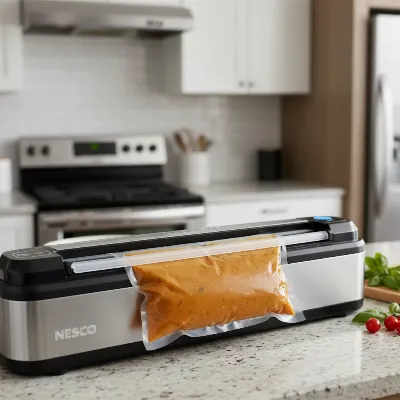 NESCO Deluxe VS-12 Vacuum Sealer with a double sealed bag of soup
3. Anova Precision Vacuum Sealer Pro
A compact powerhouse, the Anova Precision Vacuum Sealer Pro is designed for performance with both dry and wet foods. It features a powerful vacuum and a double sealer, ensuring reliable airtight seals. The presence of a cutter and accessory port, along with a low-pressure vacuum option, makes it particularly effective for sealing even the juiciest foods. Its intuitive design is user-friendly, making it a favorite for sous vide enthusiasts.
- Pros: Double sealer, powerful vacuum, compact design, great for wet foods and sous vide.
- Cons: No built-in roll storage, some users report occasional air retention.
4. FoodSaver FM2100 Series
FoodSaver is a household name in vacuum sealing, and models like the FM2100 series often feature dual heat-sealing strips, which contribute to a strong, consistent seal critical for liquids. While not explicitly called “double seal” in the same way as some others, the dual strips create a wider, more secure barrier. It offers excellent long-term food preservation and is compatible with handheld sealers for jars and bottles, enhancing its utility for varied storage needs.
- Pros: Reliable brand, dual heating strips for strong seals, good for long-term storage, accessory compatibility.
- Cons: Can be a bit bulkier than some compact models, sometimes requires careful bag positioning.
5. Geryon Vacuum Sealer Machine
For those on a budget who still need reliable performance with liquids, the Geryon Vacuum Sealer is an excellent contender. It includes controls for “wet” and “dry” food, allowing it to handle moist items effectively. While it may not feature a dedicated “double heat seal” like premium models, its strong suction and ability to create a tight seal make it a capable option for everyday liquid preservation at a fraction of the cost.
- Pros: Budget-friendly, wet food setting, compact and lightweight, good performance for the price.
- Cons: May not have the same longevity or robust build as higher-end models, single seal may be less secure than a double seal for very challenging liquids.
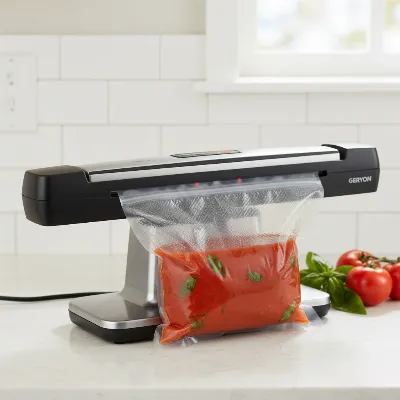 Geryon Vacuum Sealer effectively sealing a bag with liquid food in a home kitchen
How to Use and Maintain Your Vacuum Sealer for Optimal Performance
Proper usage and regular maintenance are key to maximizing the lifespan and effectiveness of your vacuum sealer, especially when dealing with liquids.
To effectively use your vacuum sealer, start by preparing your food. For liquids like soups, it’s often best to chill or even partially freeze them before sealing to prevent them from being drawn into the sealing area. Ensure the rim of your vacuum sealer bag is clean and dry to achieve a perfect seal. Place the open end of the bag into the vacuum channel, close the lid securely, and select the appropriate setting (e.g., “Moist” or “Double Seal”). Once the vacuuming and sealing process is complete, remove the bag and inspect the seal. Store your vacuum-sealed foods in the refrigerator, freezer, or pantry as appropriate.
For maintenance, always clean your machine after each use, especially if any liquids or food particles have inadvertently entered the drip tray or sealing area. A damp cloth is usually sufficient for cleaning external surfaces. Store your vacuum sealer in a dry, cool place. Periodically check and replace accessories like foam gaskets or sealing strips if they show signs of wear, as these are crucial for maintaining a strong vacuum and seal. Following these simple steps will ensure your vacuum sealer continues to perform reliably for years.
Common Issues and Troubleshooting for Vacuum Sealers
Even the best vacuum sealers can encounter occasional issues. Here are some common problems and straightforward solutions:
- Machine Not Activating/No Power:
- Solution: Check if the machine is properly plugged into a live outlet. Ensure the lid is fully closed and latched. Some models have a safety switch that prevents operation if not securely closed.
- Machine Not Sealing Tightly or Air Leakage:
- Solution: This is often due to wrinkles in the bag near the seal bar, moisture/food particles on the bag rim, or a worn-out gasket. Ensure the bag is perfectly flat and clean. Clean the seal bar and gasket. If the gasket is compressed or cracked, it may need replacement. For liquids, ensure the “Moist” or “Double Seal” setting is used, and consider pre-freezing liquids slightly.
- Machine Making Loud Noises:
- Solution: A certain amount of noise is normal during the vacuuming process. However, excessively loud or unusual noises might indicate an issue with the pump. Ensure the machine is on a stable, flat surface. If the noise persists and performance is affected, consult the user manual or manufacturer’s support.
- Vacuum Bag Tears or Melts:
- Solution: This can happen if the sealing temperature is too high for the bag material or if the bag is not positioned correctly. Check your user manual for recommended bag types and ensure you are using appropriate vacuum sealer bags. If the bag is melting, try a slightly lower heat setting if available, or allow the seal bar to cool between uses if making multiple seals. For tearing, ensure there are no sharp edges on the food inside the bag.
> “Using a pulse function and pre-chilling liquids can make all the difference in achieving a perfect, leak-proof seal for your soups and sauces.” – Chef Elena Rodriguez, Food Preservation Specialist
Conclusion
Choosing the right vacuum sealer, particularly one equipped with a double seal or specifically designed for liquids, is a game-changer for preserving food and reducing waste in any kitchen. From the robust, mess-free performance of a chamber sealer to the versatile convenience of an external model with specialized settings, there’s a perfect solution for every need and budget. By understanding the different types, key features, and proper usage techniques, you can confidently select a machine that will reliably extend the freshness of your soups, sauces, and other culinary delights for years to come.
Ready to say goodbye to freezer burn and hello to extended freshness? Which feature is most important to you when choosing a vacuum sealer for liquids?
Frequently Asked Questions
What does “double seal” mean on a vacuum sealer?
A double seal on a vacuum sealer refers to the machine creating two distinct heat seals side-by-side on the vacuum bag. This provides an extra layer of security, significantly reducing the risk of air leakage, especially important when sealing moist or liquid-rich foods where a single seal might be compromised.
Can I vacuum seal hot soups or liquids?
It is generally recommended to allow hot soups or liquids to cool down significantly, or even be partially frozen, before vacuum sealing. Sealing hot liquids can be dangerous due to steam pressure and may draw liquid into the sealing area, compromising the seal and potentially damaging the machine.
What kind of bags should I use for vacuum sealing liquids?
For vacuum sealing liquids, always use high-quality, embossed vacuum sealer bags specifically designed for your machine. These bags are thicker and more durable, reducing the risk of punctures or leaks. Ensuring the inside of the bag around the seal area is clean and dry is also crucial for a strong seal.
How do chamber vacuum sealers handle liquids differently from external sealers?
Chamber vacuum sealers place the entire bag inside a chamber where air is removed from both inside and outside the bag simultaneously. This equalized pressure prevents liquids from boiling or being sucked out of the bag during the vacuum process, ensuring a perfectly clean and secure seal without mess.
Is a “moist” setting necessary for sealing liquids?
While not strictly “necessary” if you pre-freeze liquids, a “moist” setting is highly beneficial for vacuum sealing liquids or wet foods. This setting typically adjusts the vacuum pressure and/or sealing time to better accommodate moisture, preventing liquids from being drawn into the seal bar and ensuring a more reliable, airtight seal.