Are you tired of tossing out spoiled food, dealing with freezer burn, or struggling to keep your bulk purchases fresh? A vacuum sealer might be the kitchen game-changer you need. In today’s economy, where every dollar counts and reducing waste is paramount, extending the lifespan of your food can significantly impact your budget and meal preparation efficiency. This comprehensive guide will navigate you through the world of vacuum sealers, helping you understand their benefits, different types, crucial buying factors, and presenting a curated list of the top models available for home use in 2026. Get ready to unlock optimal food preservation and revolutionize your kitchen storage.
What is a Vacuum Sealer? Why Do You Need One?
A vacuum sealer is a kitchen appliance designed to remove air from specially designed bags or containers before sealing them securely. The basic principle is simple: air is the primary culprit behind food spoilage, harboring bacteria, fungi, and mold that accelerate decay. By extracting this oxygen, a vacuum sealer creates an airtight, anaerobic environment that significantly slows down these natural processes, preserving freshness, flavor, and nutritional value for much longer.
The benefits of integrating a vacuum sealer into your home kitchen are extensive:
- Extended Food Preservation: Vacuum sealing can keep food fresh up to eight times longer than traditional storage methods. This means frozen meats can last for years, while produce and leftovers maintain their quality for weeks or months, drastically reducing food waste.
- Prevents Freezer Burn: Freezer burn occurs when food is exposed to air, leading to dehydration and changes in texture and flavor. Vacuum sealing eliminates this air, protecting your food from ice crystallization and maintaining its original quality.
- Maintains Flavor and Nutrients: By preventing oxidation, vacuum sealing helps foods retain their essential vitamins, minerals, and vibrant flavors, ensuring that every meal is as delicious and nutritious as intended.
- Cost Savings: Buying food in bulk often provides significant savings. A vacuum sealer allows you to preserve these larger quantities without fear of spoilage, minimizing trips to the grocery store and cutting down on overall food expenses.
- Enhanced Meal Prep and Cooking: Vacuum-sealed portions are perfect for meal prepping, allowing you to prepare ingredients or entire meals in advance. They are also indispensable for sous vide cooking, ensuring efficient heat transfer and consistent results.
- Space Efficiency: Removing air from food packaging reduces its volume, making it easier to organize and store items neatly in your refrigerator, freezer, or pantry.
- Versatile Applications: Beyond food, vacuum sealers can protect important documents, photographs, silver, or even camping gear from moisture and corrosion.
Popular Types of Vacuum Sealers
Understanding the different types of vacuum sealers is crucial for choosing the one that best suits your needs and kitchen environment. Each category offers distinct advantages and is designed for specific usage scenarios.
External/Suction Vacuum Sealers
These are the most common and popular choice for home use due to their balance of affordability, compact size, and user-friendliness.
- How they work: The food is placed into a textured bag, and the open end of the bag is positioned into the machine’s sealing channel. The machine then draws air directly out of the bag before using a heat bar to create an airtight seal.
- Advantages:
- Compact and Affordable: Generally smaller and less expensive than chamber models, making them ideal for home kitchens with limited counter space.
- Easy to Use: Many models feature simple, one-touch operation, perfect for beginners.
- Versatility: Capable of sealing a wide variety of dry and moist foods.
- Accessories: Often come with a hose attachment for sealing jars, canisters, or marinating containers.
- Disadvantages:
- Bag Compatibility: Requires specialized embossed or channeled bags, which can be more expensive than the smooth bags used by chamber sealers.
- Limitations with Liquids: Can struggle with sealing liquids or very moist foods, as the suction can draw liquids into the machine, compromising the seal or damaging the pump. Freezing liquids beforehand is a common workaround.
- Volume: May require cool-down periods between seals if processing large batches, making them less ideal for continuous, heavy-duty use.
|
Our Picks for the Best Vacuum Sealer in 2026
As an Amazon Associate I earn from qualifying purchases.
|
||
| Num | Product | Action |
|---|---|---|
| 1 | 95kPa Precision Vacuum Sealer Machine, Double Heat Seal for Dry/Moist Food, Easy-Lock Handle, Built-in Bag Storage & Cutter, Progress Display, Pulse Mode, Removable Drip Tray, Silver |

|
| 2 | Mesliese Vacuum Sealer Machine Powerful 90Kpa Precision 6-in-1 Compact Food Preservation System with Cutter, 2 Bag Rolls & 5 Pre-cut Bags, Widened 12mm Sealing Strip, Dry&Moist Modes (Silver) |
|
| 3 | 90KPa Portable Vacuum Sealer Machine for Food, One-Touch Open Lid, Detachable & Easy to Clean, Vertical Placement Saves Space, Powerful Suction for Freezer Bags & Food Storage |
|
| 4 | FoodSaver Vacuum Sealer Machine, Automatic Bag Detection, Sous Vide Friendly, with sealer bags, roll, handheld vacuum sealer, black |
|
| 5 | Chef Preserve Compact Vacuum Sealer for Food (Vacuum Sealer Machine + 30 Reusable Vacuum Bags) Powerful Handheld Vacuum Sealer Machine, Seal Meal Saver, Portable Food Sealer |
|
| 6 | NutriChef Food Vacuum Sealer Machine - Automatic Air Sealing System for Dry & Moist Foods, LED Touch Controls, Includes Vacuum Bags, Hose & Wine Stopper, High Suction Power, 14"x6"x3", Silver |
|
| 7 | Food Vacuum Sealer Machine, Powerful & Continuous Vacuum Sealing for Kitchen Storage & Meal Prep, Wet & Dry Food Sealing, Detachable Upper & Lower Design for Easy Cleaning, Includes 50 Bags |
|
| 8 | FoodSaver PowerVac Compact Vacuum Sealing Machine Stainless Steel & Black Vertical Storage VS0150 | Preserves freshness reduces bag waste for both dry and wet food |
|
| 9 | Anybear Vacuum Sealer Machine, 90kPa 120W Wide Seal All-IN-1 Powerful Food Storage, Build-in Cutter | Bags Storage | Digital Countdown Display | 2 Bag Rolls and 5pcs Pre-cut Bags (Gray) |
|
| 10 | Nesco Deluxe Food VS-12 Vacuum Sealer, 130 Watts, Kit Bags & Viewing Lid, Compact, Silver |
|
Handheld Vacuum Sealers
Handheld vacuum sealers offer the ultimate in portability and convenience, designed for lighter, more frequent sealing tasks.
- How they work: These small, often cordless devices use a suction nozzle placed over a designated port on special zipper bags or rigid containers to remove air and create a vacuum seal.
- Advantages:
- Portable and Compact: Extremely small and lightweight, they can be easily stored in a drawer or taken on camping trips.
- Affordable: Typically the least expensive type of vacuum sealer.
- Quick Sealing: Ideal for everyday items like cheeses, deli meats, or snacks, offering quick preservation without the setup of a larger machine.
- Ease of Use: Simple, button-press operation.
- Disadvantages:
- Lower Power: Generally less powerful than external or chamber models, resulting in a less intense vacuum.
- Limited Compatibility: Usually only compatible with proprietary bags and containers designed with specific vacuum ports.
- Volume and Liquids: Best for small portions and may not be suitable for large batches or significant liquid content.
Chamber Vacuum Sealers
While primarily used in commercial kitchens, understanding chamber vacuum sealers helps illustrate the spectrum of available technology.
- How they work: The entire bag, with its contents, is placed inside a sealed chamber. Air is then removed from the entire chamber, equalizing pressure both inside and outside the bag, which allows liquids to be sealed without being drawn out.
- Advantages:
- Superior Vacuum: Achieve a much stronger, more consistent vacuum seal than external models.
- Handles Liquids: Excel at sealing liquids, marinades, and delicate items without crushing them or drawing moisture into the machine.
- Bag Cost: Can use cheaper, smooth bags, leading to significant long-term savings for high-volume users.
- Efficiency: Designed for continuous, high-volume use without overheating.
- Disadvantages:
- High Cost: Significantly more expensive than external or handheld models, making them a substantial investment for home users.
- Large Footprint: Much larger and heavier, requiring dedicated counter space.
- Complexity: Can be more complex to operate and maintain.
Comparison Table of Vacuum Sealer Types
Choosing the best vacuum sealer depends heavily on your specific needs, budget, and the types of food you plan to preserve. This table provides a quick overview of the key differences between the main types of vacuum sealers.
| Feature | External/Suction Sealer | Handheld Sealer | Chamber Sealer |
|---|---|---|---|
| Best For | Most home users, dry/moist foods, moderate batches | Light, frequent use, small items, occasional sealing | Commercial use, liquids, delicate foods, high volume |
| Cost | Affordable to Mid-range ($40 – $200+) | Budget-friendly ($30 – $100) | High-end ($400 – $1,000+) |
| Size | Countertop, compact to moderate footprint | Very compact, portable, fits in drawers | Large, heavy, requires dedicated space |
| Liquid Handling | Poor (requires freezing or special techniques for liquids) | Poor (best for dry or very lightly moist items) | Excellent (can seal liquids directly) |
| Bag Type | Textured/Embossed bags (more expensive) | Proprietary zipper bags/canisters | Smooth bags (more affordable) |
| Vacuum Strength | Good for home use | Moderate, less intense | Superior, highest vacuum pressure |
| Continuous Use | May require cool-down periods for large batches | Designed for intermittent, small-scale tasks | Excellent (designed for continuous operation) |
| Features | Dry/moist modes, pulse function, accessory port, cutter | App connectivity, rechargeable, simple controls | Marinating, infusion, often fully automatic, robust build |
Guide to Choosing the Right Vacuum Sealer for Home Use
Selecting the perfect vacuum sealer requires careful consideration of several factors to ensure it aligns with your lifestyle and culinary habits. Don’t rush into a purchase; a little research can save you money and frustration in the long run.
Key Factors to Consider When Buying a Vacuum Sealer
- Your Usage Needs:
- Type of Food: Do you primarily seal dry goods like nuts and crackers, or do you often preserve moist foods like raw meat, marinated vegetables, or even soups? If liquids are a frequent part of your sealing routine, consider models with a liquid drip tray or a pulse function.
- Quantity: Are you preserving small portions for daily use, or are you buying in bulk and processing large quantities of food after hunting, fishing, or gardening? For high-volume sealing, look for machines that can operate continuously without long cool-down periods.
- Frequency: Occasional users might be content with a basic, budget-friendly model, while avid meal preppers or sous vide enthusiasts will benefit from a more robust and feature-rich machine.
- Budget: Vacuum sealers range widely in price. Determine how much you’re willing to invest, keeping in mind that more expensive models often offer greater durability, more features, and potentially lower long-term bag costs (if using a chamber sealer, which is less common for home use).
- Size and Design:
- Countertop Space: Measure your available kitchen counter space. Many external vacuum sealers are designed to be compact, and some can even be stored vertically to save space. Handheld models are the most space-saving option.
- Aesthetics: If your vacuum sealer will live on your counter, its design and color might be a factor.
- Suction Power and Pressure: This is a critical metric. Stronger suction (measured in inches of mercury, inHg, or kilopascals, kPa) means more air is removed, leading to better preservation and faster sealing. For home use, a model around 24 inHg typically provides sufficient power.
- Essential Features and Functionality:
- Built-in Bag Cutter and Roll Storage: These conveniences allow you to create custom-sized bags from rolls, reducing waste and clutter.
- Dry and Moist Food Settings: Specialized modes optimize sealing for different food consistencies, ensuring a proper seal without crushing delicate items or pulling liquids into the machine.
- Pulse Function/Manual Mode: Crucial for delicate foods like pastries or berries, this feature gives you manual control over the vacuum process, preventing crushing by allowing you to stop suction at the ideal moment.
- Accessory Port/Hose: Enables you to vacuum seal jars, containers, or even re-seal wine bottles with compatible attachments.
- Seal-Only Function: Allows you to create a seal without vacuuming, useful for making custom bag sizes or re-sealing chip bags.
- Ease of Use and Cleaning: Look for intuitive controls and easy-to-clean drip trays and sealing areas.
- Durability and Brand Reliability: Invest in a machine with quality components, such as a robust sealing bar and vacuum pump. Stainless steel construction often indicates greater durability than plastic counterparts. Check customer reviews and product warranties for peace of mind.
> “Choosing the right vacuum sealer boils down to understanding your kitchen habits. Are you a bulk shopper, a meal prepper, or just looking to extend the life of leftovers? Your daily needs should guide your decision.” – Admin, ReviewingTV.com
Top 10 Best Vacuum Sealers for Home Use in 2026
Based on extensive testing, user reviews, and expert recommendations for 2026, here are some of the best vacuum sealers that stand out for home use across various categories.
1. Nesco VS-12 Deluxe Vacuum Sealer
- Overview: Often praised as a top performer, the Nesco VS-12 Deluxe is a versatile external vacuum sealer known for its powerful suction and user-friendly design, making it an excellent choice for meats and hearty vegetables.
- Pros: Powerful vacuum, easy to use and clean, includes bag roll storage and a cutter, features a pulse function for delicate items, great for sous vide cooking.
- Cons: Can be loud during operation, powerful suction may still crush very delicate foods even on gentle mode.
- Key Specs: Dimensions: 15.8 x 8 x 4.5 inches; Weight: 6 pounds; Settings: Dry/Moist, Normal/Gentle, Pulse.
- Price: Mid-range.
2. Anova Culinary Precision Vacuum Sealer
- Overview: A compact yet powerful option, this Anova sealer is often highlighted for its sleek design and effectiveness, especially appealing to sous vide enthusiasts.
- Pros: Compact size, very intuitive with few buttons, includes a pulse vacuum option, ideal for sous vide, reliable suction.
- Cons: May be less powerful than some larger models for extreme heavy-duty use.
- Key Specs: Small profile (approx. 15 x 4 inches); Weight: ~2 lbs; Settings: Vacuum & Seal, Seal, Pulse Vacuum.
- Price: Mid-range.
3. GERYON Vacuum Sealer Machine
- Overview: A standout budget-friendly option that delivers impressive performance, often rivaling more expensive models in its ability to seal effectively, particularly with meats.
- Pros: Excellent value, easy to use, lightweight, quiet operation, offers dry/moist and normal/gentle settings, includes an air suction hose for canisters.
- Cons: No built-in bag cutter or roll storage, lacks a pulse mode, may be too powerful for very delicate items.
- Key Specs: Dimensions: 14.4 x 5.5 x 2.6 inches; Weight: 2.6 pounds; Settings: Dry/Moist, Normal/Gentle, Manual Seal.
- Price: Budget.
4. ZWILLING Fresh & Save Vacuum Sealer Machine Starter Set (Handheld)
- Overview: A top-tier handheld system lauded for its ease of use, compact storage, and innovative companion app to track food freshness.
- Pros: Extremely compact and portable, simple one-button operation, comes with a charger for wireless use, includes food-safe glass containers, companion app for expiration tracking.
- Cons: Only works with proprietary Zwilling bags and containers, not ideal for bulk freezer storage, struggles with foods containing a lot of liquid.
- Key Specs: Dimensions: 2 x 2 x 7.5 inches; Weight: 0.8 pounds; Handheld, rechargeable.
- Price: Mid-range for a handheld system.
5. NutriChef PKVS 12-inch Vacuum Sealer
- Overview: A sleek and convenient compact vacuum sealer perfect for those with limited counter space who want versatility across various food types.
- Pros: Lightweight, elegant digital controls, gentle mode for delicate foods, dry and moist settings, built-in bag cutter, includes a wine stopper attachment.
- Cons: Can be challenging to close securely, pulse function for raspberries was still too powerful in one test.
- Key Specs: Dimensions: 14.1 x 6 x 3 inches; Weight: 2.9 pounds; Settings: Dry/Moist, Gentle/Normal.
- Price: Budget to Mid-range.
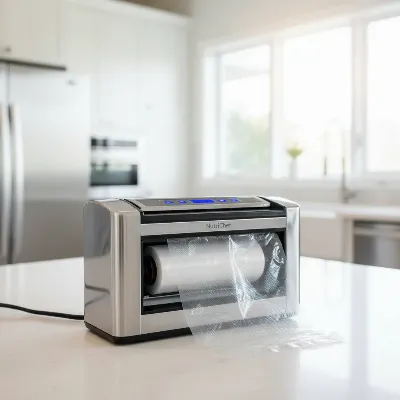 A NutriChef PKVS 12-inch vacuum sealer on a modern kitchen counter, with custom-sized vacuum bags being cut from a roll.
6. FoodSaver V4400 2-in-1 Vacuum Sealing System
- Overview: A robust and reliable option often recommended for home users who engage in heavy-duty sealing, offering excellent performance and features.
- Pros: Strong suction, automatic bag detection, built-in roll storage and cutter, includes a handheld sealer for canisters/zipper bags, can handle high volumes.
- Cons: Larger footprint, can be expensive.
- Key Specs: Auto bag detection, built-in storage, 2-in-1 functionality.
- Price: Mid-range to High-end for home external sealers.
7. Sonix Pack Compact Vacuum Sealer
- Overview: Recognized for its overall performance and value, offering cordless portability and effective food preservation, especially for its price point.
- Pros: Cordless design for portability, excellent food preservation extension, compact, good value.
- Cons: Specific bag requirements (not explicitly mentioned if textured or smooth, but likely textured for external).
- Key Specs: Cordless, compact.
- Price: Budget.
8. Inkbird Plus INK-VS01 Vacuum Sealer
- Overview: A solid mid-range choice known for its balance of features and performance, suitable for everyday home sealing tasks.
- Pros: Reliable sealing, good suction power, multiple modes for different food types.
- Cons: Specifics regarding noise or size are not widely highlighted, requiring further research for detailed assessment.
- Key Specs: Mid-range features.
- Price: Mid-range.
9. MegaWise 2 Powerful Vacuum Sealer
- Overview: Another strong contender in the budget category, offering powerful vacuum sealing capabilities at an accessible price.
- Pros: Good suction power for its price, generally easy to operate.
- Cons: Similar to other budget models, it may lack advanced features like built-in cutters or pulse mode.
- Key Specs: Focus on powerful suction.
- Price: Budget.
10. FoodSaver Handheld+ 2-in-1 Vacuum Sealing System
- Overview: A versatile handheld option from a reputable brand, offering convenient sealing for smaller items and liquids (when used with compatible containers).
- Pros: Portable, cordless, compatible with FoodSaver zipper bags and containers, good for quick sealing tasks, can act as an accessory for full-sized FoodSaver systems.
- Cons: Requires proprietary FoodSaver bags/containers, less powerful than countertop models for deep vacuuming.
- Key Specs: Handheld, 2-in-1 functionality with accessories.
- Price: Budget.
How to Use and Maintain Your Vacuum Sealer
Proper usage and regular maintenance are key to maximizing the lifespan of your vacuum sealer and ensuring consistent, effective food preservation.
How to Use Your Vacuum Sealer
- Prepare Your Food: For best results, ensure food is as dry as possible, especially around the sealing area. Patting moist foods with a paper towel can prevent liquid from compromising the seal. For highly liquid foods (like soups), freeze them solid or semi-solid before vacuum sealing with an external sealer to prevent liquids from being drawn into the machine.
- Choose the Right Bag: Use vacuum sealer bags designed for your specific machine type (embossed for external sealers, smooth for chamber sealers, or proprietary bags for handheld models). Leave at least three inches of space between the food and the top of the bag for a proper seal.
- Position the Bag: Place the open end of the bag flat into the vacuum channel or under the sealing bar, ensuring there are no wrinkles or creases that could prevent an airtight seal.
- Select Settings: Many modern vacuum sealers offer different modes (e.g., dry, moist, gentle, normal, pulse). Choose the appropriate setting for your food. Use the “pulse” function for delicate items to manually control the vacuum pressure and prevent crushing.
- Initiate Sealing: Close the lid firmly (you may hear a click) and press the “Vacuum & Seal” button. The machine will remove air and then automatically heat-seal the bag. If sealing liquids with an external sealer, carefully monitor the liquid and hit “Seal” immediately when liquid approaches the seal line to prevent it from entering the machine.
- Store Sealed Food: Perishable vacuum-sealed foods (meats, dairy, produce) must still be stored in the refrigerator or freezer. Dry goods like crackers or nuts can be stored at room temperature.
How to Maintain Your Vacuum Sealer
Regular cleaning and inspection will keep your vacuum sealer in top working condition.
- Clean After Each Use: Wipe down the sealing bar, vacuum channel, and drip tray with a damp cloth to remove any food debris, crumbs, or moisture. Food particles can interfere with the seal and lead to air leaks.
- Inspect Gaskets: Check the rubber gaskets (sealing strips) for any signs of wear, cracks, or hardening. Worn gaskets can prevent a proper vacuum seal. Replace them if damaged.
- Examine Heating Element: Inspect the heating strip for any visible damage or burnt spots. If it’s not heating properly, the sealing element may need replacement.
- Check Accessories: Clean and inspect any hoses, canisters, or other attachments regularly to ensure they are free of clogs or damage.
- Store Properly: Keep your vacuum sealer in a dry, cool place, preferably with the lid unlatched if recommended by the manufacturer. This helps prevent compression of the gaskets over time.
Common Problems and How to Fix Them
Even the best vacuum sealers can encounter issues. Here’s a quick guide to common problems and their straightforward solutions.
- Machine Not Sealing Properly / Weak Seal:
- Cause: Dirty sealing bar or gasket, worn-out sealing strips, improper bag placement (wrinkles, overfilling), moisture on the sealing area, low-quality or incompatible bags.
- Fix: Clean the sealing bar and gaskets thoroughly. Ensure the bag is flat, centered, and not overfilled, leaving sufficient space at the top. Dry the inside of the bag’s opening completely. Use high-quality, compatible bags. Try the “double seal” function if available, or manually seal twice.
- Machine Not Vacuuming / Weak Vacuum:
- Cause: Clogged vacuum port, worn or cracked gaskets, air leaks in the lid assembly, poor pump performance, or using the wrong type of bag.
- Fix: Unplug and clean the vacuum port with a soft brush or cotton swab. Inspect gaskets for damage and ensure they are properly seated and clean. Check that the lid is fully latched. Make sure you’re using embossed bags for external sealers.
- Machine Not Turning On:
- Cause: Loose power cord, faulty electrical outlet, blown fuse, or overheating.
- Fix: Check that the power cord is securely plugged into both the machine and a functioning outlet. Try a different outlet. If the machine was recently used extensively, allow it to cool down, as some models have thermal protection.
- Liquid Being Sucked into the Machine:
- Cause: Attempting to seal liquid-rich foods with an external sealer without precautions.
- Fix: Freeze liquids or very moist foods partially or fully before sealing. For slightly moist foods, use the “moist” setting or the pulse function to control suction, stopping the vacuum immediately when liquid approaches the seal line by hitting “seal”. Look for models with a built-in liquid drip tray.
- Machine Making Loud Noises:
- Cause: While some machines are naturally louder, unusually loud noises could indicate a blockage in the vacuum pump or loose components.
- Fix: Check and clean the vacuum port. If the noise persists and performance is affected, consult the manufacturer’s troubleshooting guide or seek professional assistance.
Conclusion
Investing in a quality vacuum sealer is a smart decision for any home cook looking to combat food waste, save money, and simplify meal preparation. By eliminating oxygen, these ingenious devices dramatically extend food freshness, prevent freezer burn, and preserve vital nutrients and flavors. Whether you opt for a versatile external sealer, a convenient handheld model, or even explore pro-grade chamber options, understanding the different types and features available will empower you to make an informed choice. With the right vacuum sealer in your kitchen arsenal, you’ll open up a world of culinary possibilities, from efficient bulk buying to perfectly cooked sous vide dishes, all while enjoying fresher, longer-lasting food. What culinary adventures will you embark on first with your new vacuum sealer?
Câu Hỏi Thường Gặp
How long does vacuum-sealed food last in the freezer?
Vacuum sealing dramatically extends freezer life. Meats can last up to three years, while most frozen fruits and vegetables typically remain fresh for one to two years, significantly longer than traditionally stored items.
Can I vacuum seal hot foods?
No, it’s crucial to allow freshly cooked or steamed produce and other hot foods to cool completely to room temperature before vacuum sealing. Sealing hot food can create condensation inside the bag, which harbors bacteria and can compromise the seal.
Are all vacuum sealer bags compatible with all machines?
No, external vacuum sealers require embossed or channeled bags to allow air to escape, while chamber vacuum sealers use smooth, flat bags. Handheld models often require specific proprietary bags or containers designed with vacuum ports. Always check compatibility with your machine’s manufacturer.
What foods should I avoid vacuum sealing?
Certain foods should generally be avoided for vacuum sealing due to the risk of anaerobic bacteria growth. These include raw mushrooms, garlic, soft cheeses, and freshly cooked vegetables like broccoli or cabbage, which can release gases and spoil rapidly in an oxygen-deprived environment.
