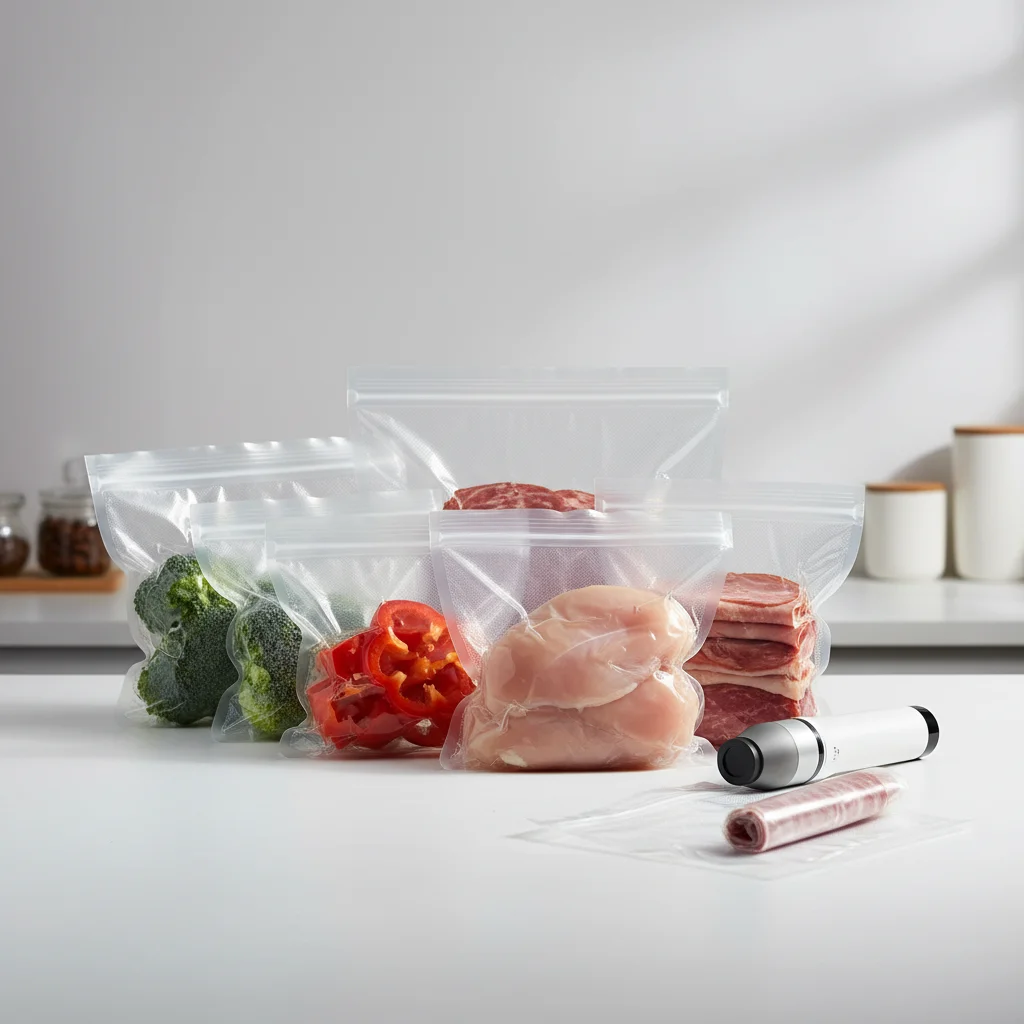
Vacuum sealer bags can be reused safely for certain foods, but it is generally not recommended for bags that have contained raw meats, oily foods, or strong-smelling items due to significant food safety and hygiene concerns. For other foods, thorough cleaning and careful inspection are essential to prevent bacterial growth and maintain food quality. Always prioritize food safety when considering bag reuse.
When Can You Safely Reuse Vacuum Sealer Bags?
You can safely reuse vacuum sealer bags if they meet several criteria. First, the bag must have only contained dry, non-oily, and non-acidic foods, such as crackers, dried pasta, or clean, blanched vegetables. Second, the bag must be thoroughly washed with hot, soapy water and completely air-dried to prevent bacterial growth. Third, the bag must be free of any punctures, tears, or signs of wear that could compromise the seal. Always inspect the bag carefully before reuse.
For instance, if you’ve used a bag to store homemade cookies, and it’s clean and intact, it’s a good candidate for reuse. However, a bag that held raw chicken, even if washed, poses a significant risk of cross-contamination and should be discarded immediately.
The Risks of Reusing Vacuum Sealer Bags
The primary risk associated with reusing vacuum sealer bags is foodborne illness. Bacteria like Salmonella, E. coli, and Listeria can cling to bag surfaces, especially if they’ve been in contact with raw meats or unwashed produce. Even thorough washing may not eliminate all pathogens, particularly in the textured channels designed for air removal. Additionally, fats and oils can be difficult to remove completely, leading to rancidity and off-flavors in subsequent uses.
Another concern is the integrity of the bag material. Repeated washing and sealing can weaken the plastic, making it more prone to leaks or tears, which defeats the purpose of vacuum sealing. The heat from the sealing bar can also degrade the plastic over time, further reducing its effectiveness.
Best Practices for Extending Bag Life (When Appropriate)
|
Our Picks for the Best Vacuum Sealer in 2026
As an Amazon Associate I earn from qualifying purchases.
|
||
| Num | Product | Action |
|---|---|---|
| 1 | Nesco Deluxe Food VS-12 Vacuum Sealer, 130 Watts, Kit Bags & Viewing Lid, Compact, Silver |

|
| 2 | Anybear Vacuum Sealer Machine, 90kPa 120W Wide Seal All-IN-1 Powerful Food Storage, Build-in Cutter | Bags Storage | Digital Countdown Display | 2 Bag Rolls and 5pcs Pre-cut Bags (Gray) |
|
| 3 | FoodSaver PowerVac Compact Vacuum Sealing Machine Stainless Steel & Black Vertical Storage VS0150 | Preserves freshness reduces bag waste for both dry and wet food |
|
| 4 | Mesliese Vacuum Sealer Machine Powerful 90Kpa Precision 6-in-1 Compact Food Preservation System with Cutter, 2 Bag Rolls & 5 Pre-cut Bags, Widened 12mm Sealing Strip, Dry&Moist Modes (Silver) |
|
| 5 | NutriChef Food Vacuum Sealer Machine - Automatic Air Sealing System for Dry & Moist Foods, LED Touch Controls, Includes Vacuum Bags, Hose & Wine Stopper, High Suction Power, 14"x6"x3", Silver |
|
| 6 | Food Vacuum Sealer Machine, Powerful & Continuous Vacuum Sealing for Kitchen Storage & Meal Prep, Wet & Dry Food Sealing, Detachable Upper & Lower Design for Easy Cleaning, Includes 50 Bags |
|
| 7 | 90KPa Portable Vacuum Sealer Machine for Food, One-Touch Open Lid, Detachable & Easy to Clean, Vertical Placement Saves Space, Powerful Suction for Freezer Bags & Food Storage |
|
| 8 | 95kPa Precision Vacuum Sealer Machine, Double Heat Seal for Dry/Moist Food, Easy-Lock Handle, Built-in Bag Storage & Cutter, Progress Display, Pulse Mode, Removable Drip Tray, Silver |
|
| 9 | FoodSaver Vacuum Sealer Machine, Automatic Bag Detection, Sous Vide Friendly, with sealer bags, roll, handheld vacuum sealer, black |
|
| 10 | Chef Preserve Compact Vacuum Sealer for Food (Vacuum Sealer Machine + 30 Reusable Vacuum Bags) Powerful Handheld Vacuum Sealer Machine, Seal Meal Saver, Portable Food Sealer |
|
If you choose to reuse bags for appropriate foods, follow these best practices:
- Always cut the sealed edge as close to the seal as possible to maximize the remaining bag length.
- Wash bags immediately after emptying with hot, soapy water.
- Turn bags inside out for thorough cleaning and drying.
- Use a bottle brush or similar tool to clean inside the bag’s channels.
- Air dry completely on a drying rack to prevent moisture retention.
Consider using a bag cutter that allows for precise cuts, minimizing waste and maximizing the usable portion of the bag.
Alternatives to Reusing Standard Vacuum Sealer Bags
For those concerned about the environmental impact or safety of single-use bags, several alternatives exist. Reusable silicone vacuum bags are a durable and eco-friendly option, designed specifically for repeated use. These bags are typically thicker, more robust, and easier to clean than standard plastic bags. They are often dishwasher safe and can withstand freezing, microwaving, and even sous vide cooking.
Another option is to use rigid containers with vacuum sealing capabilities. These containers are designed for repeated use and are excellent for storing liquids, delicate items, or foods that might crush under the pressure of a bag. While the initial investment might be higher, they offer long-term savings and reduced waste.
Identifying When a Bag is No Longer Safe to Reuse
It’s crucial to know when to discard a vacuum sealer bag. Look for any of the following signs:
- Punctures or Tears: Even tiny holes can compromise the vacuum seal.
- Stains or Odors: If a bag retains any color or smell from previous contents, discard it.
- Cloudiness or Discoloration: This can indicate material degradation or bacterial presence.
- Weakened Seals: If the bag doesn’t hold a vacuum as effectively as before, it’s time to replace it.
- Contact with Raw Meat or Oily Foods: Always discard these bags after a single use.
Investing in quality vacuum sealer bags designed for durability can also help, as they tend to withstand more rigorous cleaning if you do choose to reuse them for appropriate items.
Frequently Asked Questions
Can all types of vacuum sealer bags be reused safely?
No, not all vacuum sealer bags can be reused safely. Bags that have contained raw meats, oily foods, or strong-smelling items should be discarded after a single use due to the high risk of cross-contamination and foodborne illness. Only bags that held dry, non-oily, and non-acidic foods are candidates for reuse.
What are the main risks of reusing vacuum sealer bags?
The main risks of reusing vacuum sealer bags include foodborne illness from bacteria like Salmonella or E. coli, and rancidity from residual fats and oils. Repeated washing and sealing can also weaken the plastic, leading to leaks and compromising the vacuum seal's effectiveness.
How should I clean vacuum sealer bags for potential reuse?
To clean vacuum sealer bags for potential reuse, wash them immediately after emptying with hot, soapy water. Turn the bags inside out for thorough cleaning, using a bottle brush for channels, and air dry them completely on a drying rack to prevent moisture retention and bacterial growth.
When should a vacuum sealer bag definitely be discarded?
A vacuum sealer bag should definitely be discarded if it has punctures, tears, stains, odors, cloudiness, discoloration, or weakened seals. Bags that have been in contact with raw meat or oily foods must always be discarded after a single use to ensure food safety.
Are there eco-friendly alternatives to single-use vacuum sealer bags?
Yes, there are eco-friendly alternatives to single-use vacuum sealer bags. Reusable silicone vacuum bags are a durable and washable option, often dishwasher safe. Rigid containers with vacuum sealing capabilities also offer a reusable solution for various food types, reducing waste over time.
Extend the Life of Vacuum Sealer Bags
Follow these best practices to safely extend the life of your vacuum sealer bags for appropriate foods, minimizing waste and maximizing usability.
Always cut the sealed edge as close to the existing seal as possible. This maximizes the remaining bag length, allowing for more future uses.
Wash bags with hot, soapy water immediately after emptying their contents. Turn bags inside out to ensure all surfaces are cleaned, and use a bottle brush to scrub inside the textured channels.
After washing, air dry the bags completely on a drying rack. This prevents any moisture retention, which could lead to bacterial growth or compromise future seals.
Before each reuse, carefully inspect the bag for any punctures, tears, stains, or odors. Discard any bag showing signs of damage or contamination to ensure food safety.
Get our weekly buyer guide
Practical specs, not advice. Unsubscribe anytime.

I’m so glad I read this before I made a mistake! I was about to reuse a bag that had raw chicken in it, thinking a good wash would be enough. Now I understand why it’s not recommended for raw meats. Food safety is my top priority, so I’ll definitely be buying new bags for those items and only reusing for things like my dried fruit.
This was super helpful! I always felt guilty throwing away bags after sealing things like my homemade jerky (which is dry, thankfully). Knowing I can reuse them for non-oily items is a game-changer. I’m definitely going to be more diligent about inspecting them for punctures before I reseal.
I appreciate the info on cleaning the bags with hot, soapy water. I tried reusing a bag that had some blanched vegetables in it, but even after washing, I felt like it still had a faint smell. I think I’ll stick to new bags for anything that isn’t completely dry, just to be safe. It’s a good idea in theory, but sometimes it’s just not worth the hassle.
I’ve been wondering about reusing my vacuum sealer bags for ages, and this really cleared things up. I used to just toss them after one use, but now I know I can safely reuse them for things like my dried pasta and crackers. It’s a great way to save money and reduce waste, as long as you’re careful about what you’re sealing.