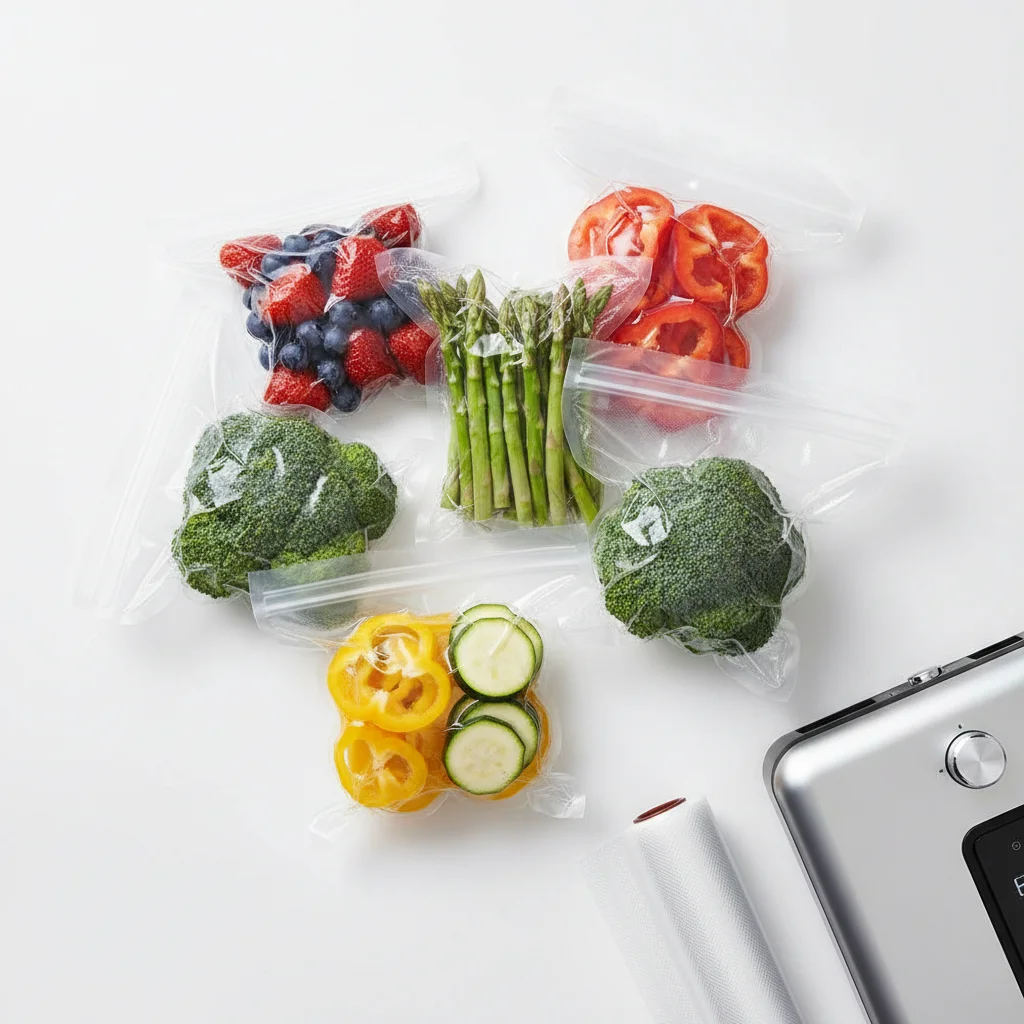
Vacuum sealer bags are an excellent tool for extending the freshness of various fresh produce items, typically keeping them viable for 2-5 times longer than traditional storage methods. The key to successful preservation lies in understanding which produce benefits most from vacuum sealing, proper preparation, and avoiding common pitfalls like anaerobic spoilage for low-acid vegetables. This guide will walk you through the best practices for safely storing your fruits and vegetables.
Understanding Which Produce Benefits from Vacuum Sealing
Not all fresh produce is created equal when it comes to vacuum sealing. High-moisture, low-acid vegetables like mushrooms, garlic, and soft cheeses can create an anaerobic environment when vacuum sealed, which can promote the growth of Clostridium botulinum, a dangerous bacterium. Therefore, these items should generally not be vacuum sealed raw. However, most fruits and many other vegetables, especially those with lower moisture content or those that will be blanched first, are ideal candidates. Examples include berries, apples, carrots, broccoli (blanched), and green beans (blanched). For best home food roundups on this site.
Proper Preparation for Vacuum Sealing Fruits
For fruits, preparation is usually straightforward. Wash and thoroughly dry all fruits before sealing to prevent mold and mildew. For larger fruits like apples or pears, you may want to slice them to remove cores or seeds, and then treat them with a lemon juice solution or a commercial anti-darkening agent to prevent oxidation. Berries can be sealed whole, but it’s often beneficial to freeze them individually on a tray first to prevent them from being crushed by the vacuum process. This flash-freezing step also helps maintain their texture.
- Wash and thoroughly dry all produce.
- Blanch vegetables like broccoli or green beans before sealing.
- Slice larger fruits and treat with anti-darkening agents if necessary.
- Flash-freeze delicate items like berries to prevent crushing.
- Ensure all produce is cool before sealing to prevent condensation.
Preparing Vegetables for Optimal Vacuum Sealing
|
Our Picks for the Best Vacuum Sealer in 2026
As an Amazon Associate I earn from qualifying purchases.
|
||
| Num | Product | Action |
|---|---|---|
| 1 | Anybear Vacuum Sealer Machine, 90kPa 120W Wide Seal All-IN-1 Powerful Food Storage, Build-in Cutter | Bags Storage | Digital Countdown Display | 2 Bag Rolls and 5pcs Pre-cut Bags (Gray) |

|
| 2 | Chef Preserve Compact Vacuum Sealer for Food (Vacuum Sealer Machine + 30 Reusable Vacuum Bags) Powerful Handheld Vacuum Sealer Machine, Seal Meal Saver, Portable Food Sealer |
|
| 3 | NutriChef Food Vacuum Sealer Machine - Automatic Air Sealing System for Dry & Moist Foods, LED Touch Controls, Includes Vacuum Bags, Hose & Wine Stopper, High Suction Power, 14"x6"x3", Silver |
|
| 4 | 95kPa Precision Vacuum Sealer Machine, Double Heat Seal for Dry/Moist Food, Easy-Lock Handle, Built-in Bag Storage & Cutter, Progress Display, Pulse Mode, Removable Drip Tray, Silver |
|
| 5 | Mesliese Vacuum Sealer Machine Powerful 90Kpa Precision 6-in-1 Compact Food Preservation System with Cutter, 2 Bag Rolls & 5 Pre-cut Bags, Widened 12mm Sealing Strip, Dry&Moist Modes (Silver) |
|
| 6 | Nesco Deluxe Food VS-12 Vacuum Sealer, 130 Watts, Kit Bags & Viewing Lid, Compact, Silver |
|
| 7 | FoodSaver Vacuum Sealer Machine, Automatic Bag Detection, Sous Vide Friendly, with sealer bags, roll, handheld vacuum sealer, black |
|
| 8 | FoodSaver PowerVac Compact Vacuum Sealing Machine Stainless Steel & Black Vertical Storage VS0150 | Preserves freshness reduces bag waste for both dry and wet food |
|
| 9 | 90KPa Portable Vacuum Sealer Machine for Food, One-Touch Open Lid, Detachable & Easy to Clean, Vertical Placement Saves Space, Powerful Suction for Freezer Bags & Food Storage |
|
| 10 | Food Vacuum Sealer Machine, Powerful & Continuous Vacuum Sealing for Kitchen Storage & Meal Prep, Wet & Dry Food Sealing, Detachable Upper & Lower Design for Easy Cleaning, Includes 50 Bags |
|
Many vegetables require blanching before vacuum sealing to preserve their color, flavor, and nutritional value, and to stop enzyme action that can lead to spoilage. Blanching involves briefly boiling or steaming vegetables, then rapidly cooling them in ice water. This process is crucial for items like broccoli, green beans, peas, and asparagus. After blanching, ensure the vegetables are completely dry before sealing. Root vegetables like carrots and potatoes can often be sealed raw after washing and peeling, but blanching can still extend their shelf life and improve texture upon thawing.
Avoiding Common Pitfalls and Ensuring Safety
The most critical safety consideration when vacuum sealing fresh produce is the risk of anaerobic bacteria. As mentioned, low-acid, high-moisture vegetables should be blanched before sealing. Always store vacuum-sealed produce in the refrigerator or freezer. Never rely on vacuum sealing alone for room-temperature storage of perishable items. If you notice any signs of spoilage, such as off-odors, discoloration, or gas buildup in the bag, discard the food immediately. Proper hygiene during preparation is also paramount to minimize bacterial contamination.
Recommended Vacuum Sealer Bags for Produce
When selecting vacuum sealer bags for fresh produce, look for BPA-free options that are specifically designed for food storage. Thicker bags (e.g., 3-4 mil) offer better puncture resistance, which is important for produce with sharp edges or stems. Some bags also feature textured channels that improve air extraction, leading to a more complete seal. Consider using rolls of vacuum sealer material so you can customize bag sizes to fit various produce items, minimizing waste.Investing in quality bags ensures your efforts in preserving produce are not undermined by bag failure.
Long-Term Storage and Usage Tips
Once vacuum sealed, most fruits and blanched vegetables can be stored in the freezer for 1-3 years, significantly longer than conventional freezer storage. Refrigerated vacuum-sealed produce typically lasts 1-2 weeks. When ready to use, simply thaw frozen produce in the refrigerator or cook directly from frozen, depending on the recipe. Always label your bags with the contents and date of sealing to keep track of your inventory.This organized approach helps you rotate your stock and enjoy your preserved produce at its peak freshness.
Get our weekly buyer guide
Practical specs, not advice. Unsubscribe anytime.
