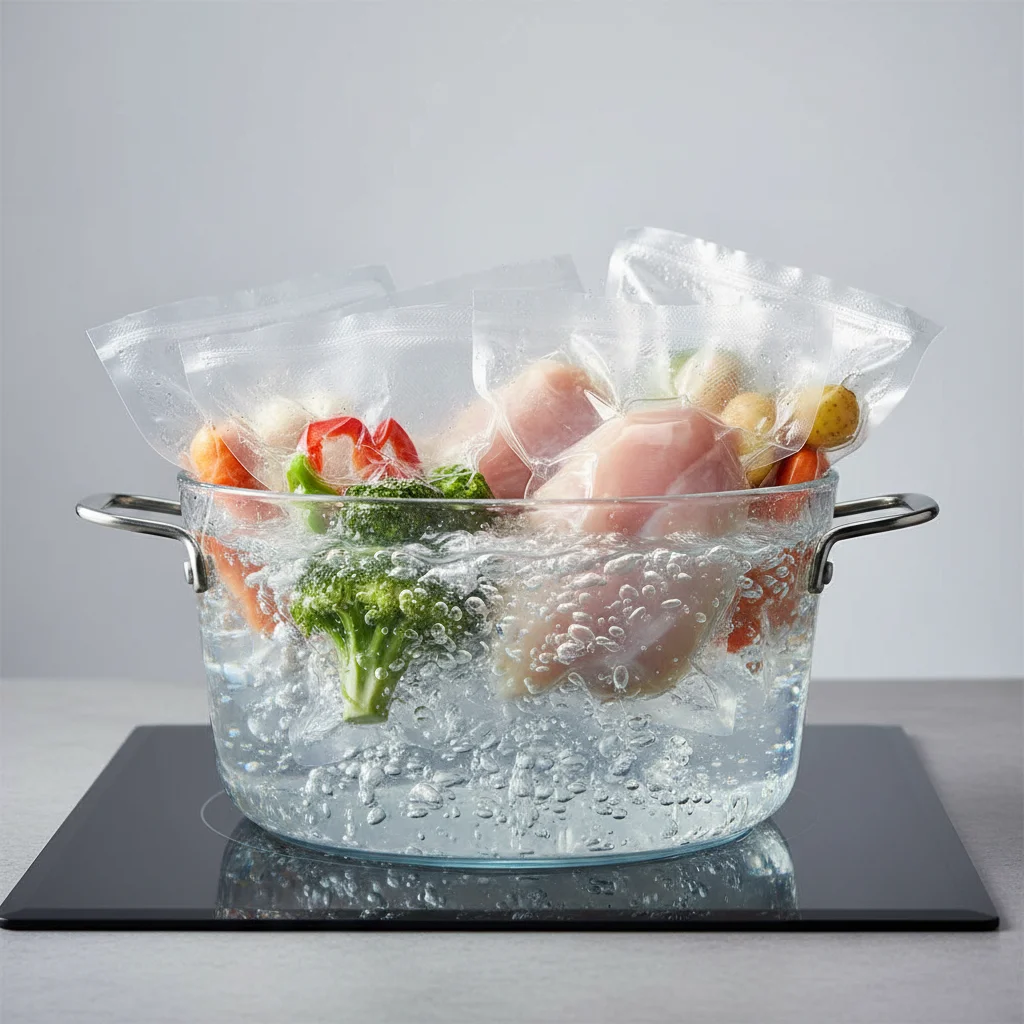
Vacuum sealer bags are generally safe for boiling water, provided they are made from specific food-grade plastics designed to withstand high temperatures. Most reputable brands use multi-layer BPA-free plastics like polyethylene and nylon that can endure temperatures up to 212°F (100°C) without leaching harmful chemicals or compromising the bag’s integrity. However, it’s crucial to always check the manufacturer’s specifications on the packaging to confirm suitability for boiling.
Understanding Bag Material and Heat Resistance
The safety of vacuum sealer bags in boiling water hinges on their material composition. Standard food-grade vacuum sealer bags are constructed from multiple layers of plastic, typically an outer layer of nylon for strength and an inner layer of polyethylene for sealing. This combination provides both durability and a high melting point, making them suitable for sous vide cooking or reheating food directly in boiling water. Bags not specifically designed for high heat may soften, warp, or even release microplastics into your food.
Always look for certifications like FDA approval or a ‘boil-safe’ label on the product packaging. These indicators confirm that the bags have been tested and deemed safe for direct contact with boiling water, ensuring no harmful substances will transfer to your food. Avoid using generic plastic bags or those not explicitly labeled for high-temperature use, as their chemical composition might not be stable under extreme heat.
Best Practices for Boiling with Vacuum Sealer Bags
When using vacuum sealer bags in boiling water, several best practices can enhance safety and effectiveness. First, ensure the bag is completely sealed with no air pockets, as trapped air can cause the bag to float or expand excessively. Second, use tongs to carefully submerge and retrieve the bag, preventing direct contact with the hot water and potential burns. Third, avoid overcrowding the pot, allowing ample space for water circulation around each bag for even heating.
It’s also advisable to use a pot large enough to fully immerse the bag without it touching the bottom or sides, which can sometimes be hotter than the water itself. If you are reheating food, ensure the internal temperature reaches a safe level, typically 165°F (74°C) for most cooked foods. For sous vide cooking, follow the recipe’s specific temperature and time guidelines.
Potential Risks and How to Avoid Them
|
Our Picks for the Best Vacuum Sealer in 2026
As an Amazon Associate I earn from qualifying purchases.
|
||
| Num | Product | Action |
|---|---|---|
| 1 | 95kPa Precision Vacuum Sealer Machine, Double Heat Seal for Dry/Moist Food, Easy-Lock Handle, Built-in Bag Storage & Cutter, Progress Display, Pulse Mode, Removable Drip Tray, Silver |

|
| 2 | 90KPa Portable Vacuum Sealer Machine for Food, One-Touch Open Lid, Detachable & Easy to Clean, Vertical Placement Saves Space, Powerful Suction for Freezer Bags & Food Storage |
|
| 3 | FoodSaver PowerVac Compact Vacuum Sealing Machine Stainless Steel & Black Vertical Storage VS0150 | Preserves freshness reduces bag waste for both dry and wet food |
|
| 4 | Anybear Vacuum Sealer Machine, 90kPa 120W Wide Seal All-IN-1 Powerful Food Storage, Build-in Cutter | Bags Storage | Digital Countdown Display | 2 Bag Rolls and 5pcs Pre-cut Bags (Gray) |
|
| 5 | FoodSaver Vacuum Sealer Machine, Automatic Bag Detection, Sous Vide Friendly, with sealer bags, roll, handheld vacuum sealer, black |
|
| 6 | Nesco Deluxe Food VS-12 Vacuum Sealer, 130 Watts, Kit Bags & Viewing Lid, Compact, Silver |
|
| 7 | Mesliese Vacuum Sealer Machine Powerful 90Kpa Precision 6-in-1 Compact Food Preservation System with Cutter, 2 Bag Rolls & 5 Pre-cut Bags, Widened 12mm Sealing Strip, Dry&Moist Modes (Silver) |
|
| 8 | Chef Preserve Compact Vacuum Sealer for Food (Vacuum Sealer Machine + 30 Reusable Vacuum Bags) Powerful Handheld Vacuum Sealer Machine, Seal Meal Saver, Portable Food Sealer |
|
| 9 | Food Vacuum Sealer Machine, Powerful & Continuous Vacuum Sealing for Kitchen Storage & Meal Prep, Wet & Dry Food Sealing, Detachable Upper & Lower Design for Easy Cleaning, Includes 50 Bags |
|
| 10 | NutriChef Food Vacuum Sealer Machine - Automatic Air Sealing System for Dry & Moist Foods, LED Touch Controls, Includes Vacuum Bags, Hose & Wine Stopper, High Suction Power, 14"x6"x3", Silver |
|
While generally safe, there are a few risks associated with using vacuum sealer bags in boiling water. The primary concern is the potential for bag failure, leading to water entering the bag and contaminating the food. This can happen if the seal is compromised, the bag is punctured, or the material is not heat-resistant enough. To mitigate this, always inspect bags for any damage before use and ensure a strong, consistent seal.
Another risk involves the leaching of chemicals if non-food-grade or non-boil-safe bags are used. Although most modern vacuum sealer bags are BPA-free, older or cheaper alternatives might not be. Always opt for bags from reputable manufacturers that explicitly state their suitability for boiling. Overheating the water beyond boiling point (which is not possible at standard atmospheric pressure) or prolonged exposure to extreme heat can also degrade the plastic, though this is less common with typical boiling applications.
Alternatives to Boiling in Bags
If you’re concerned about boiling food directly in vacuum sealer bags, or if your bags aren’t rated for high temperatures, several alternatives exist. These include:
- Steaming: Place the vacuum-sealed food in a steamer basket above boiling water. This method provides gentle, even heating without direct water contact.
- Microwaving: For quick reheating, transfer food from the vacuum bag to a microwave-safe container.
- Oven Reheating: For larger portions or items that benefit from dry heat, remove food from the bag and reheat in an oven-safe dish.
- Water Bath (without direct contact): Place the sealed bag in a heat-safe bowl, then pour boiling water around it, ensuring the water level is below the bag’s seal.
- Sous Vide Immersion Circulator: While this still involves a water bath, a dedicated sous vide circulator maintains precise temperatures, often below boiling, which is ideal for many applications.
Each method has its advantages depending on the type of food and desired outcome.
Conclusion
In summary, vacuum sealer bags are safe for boiling water when they are specifically designed for high-temperature use and made from food-grade, BPA-free materials. Always verify the manufacturer’s instructions and look for ‘boil-safe’ labels to ensure safety and prevent potential issues. By following best practices and being aware of potential risks, you can confidently use vacuum sealer bags for reheating and cooking in boiling water, enhancing your food preservation and preparation methods.
Get our weekly buyer guide
Practical specs, not advice. Unsubscribe anytime.
