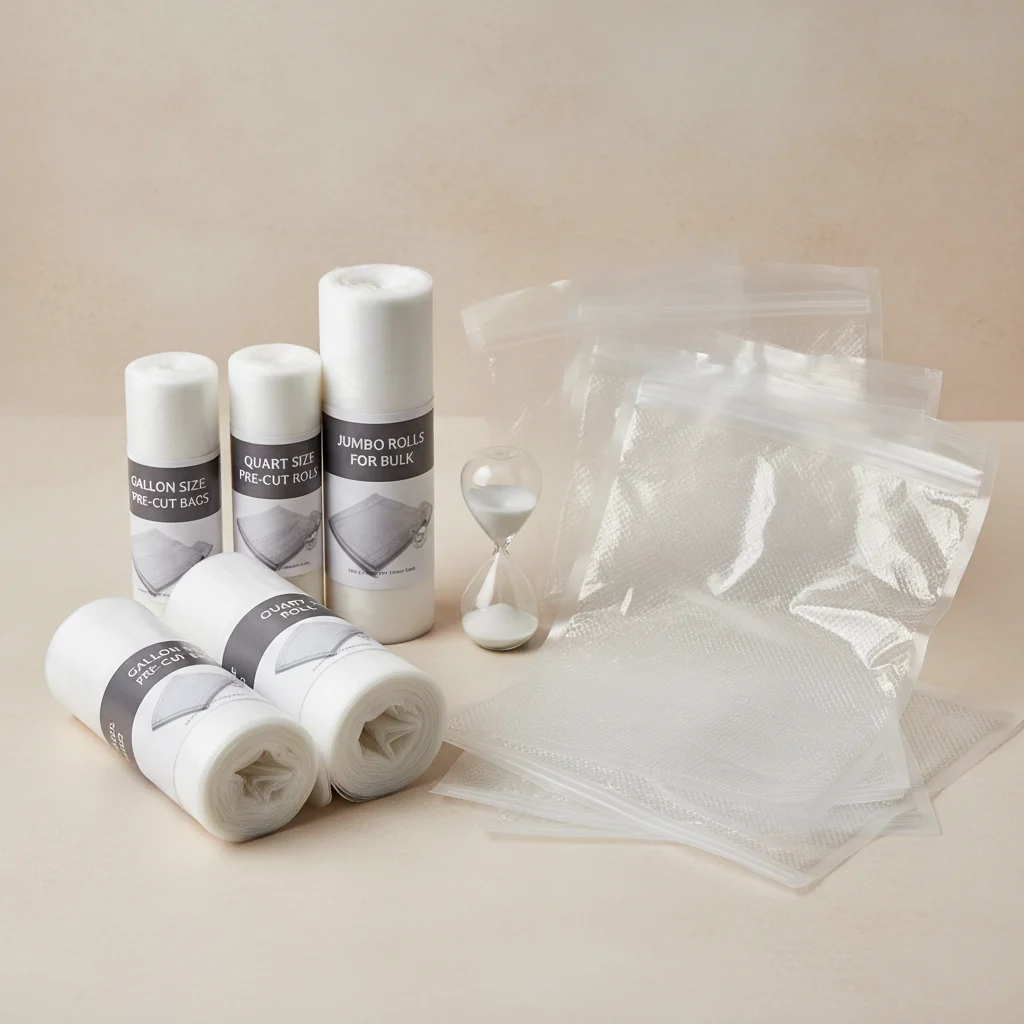
Vacuum sealer bags, when stored correctly, typically last for 5 to 10 years before their integrity might be compromised for optimal sealing. This impressive shelf life is due to their robust multi-layer construction, designed to withstand various environmental factors. Understanding the factors that influence their longevity and proper storage methods can significantly extend their usability and ensure your food preservation efforts remain effective.
Factors Affecting Bag Longevity
Several key factors can impact how long your vacuum sealer bags remain viable. Exposure to direct sunlight and extreme temperatures are primary culprits. UV rays can degrade the plastic over time, making it brittle and prone to micro-tears, which can lead to seal failures. Similarly, very high or very low temperatures can affect the plastic’s flexibility and sealing properties. Humidity is another factor; while sealed in their original packaging, excessive moisture can sometimes lead to issues with the bag material or even the adhesive properties of some bag types. For compare top home food on this site.
The quality of the bag material itself also plays a crucial role. Higher-quality bags, often thicker and made with more advanced co-extruded plastics, tend to have a longer inherent shelf life compared to thinner, cheaper alternatives. Always check the manufacturer’s recommendations for storage and expected lifespan.
Optimal Storage Conditions for Unused Bags
To maximize the shelf life of your vacuum sealer bags, proper storage is essential. The ideal environment is a cool, dry place away from direct sunlight and significant temperature fluctuations. A pantry, cupboard, or even a dedicated storage bin in a climate-controlled area works well. Avoid storing them near heat sources like ovens, radiators, or windows where they might be exposed to direct sun.
Keeping the bags in their original packaging until ready for use provides an extra layer of protection against dust, light, and minor physical damage. If you’ve opened a box or roll, consider placing the remaining bags in a resealable plastic container or bag to maintain their pristine condition.
Signs of Degradation in Vacuum Sealer Bags
|
Our Picks for the Best Vacuum Sealer in 2026
As an Amazon Associate I earn from qualifying purchases.
|
||
| Num | Product | Action |
|---|---|---|
| 1 | FoodSaver PowerVac Compact Vacuum Sealing Machine Stainless Steel & Black Vertical Storage VS0150 | Preserves freshness reduces bag waste for both dry and wet food |

|
| 2 | NutriChef Food Vacuum Sealer Machine - Automatic Air Sealing System for Dry & Moist Foods, LED Touch Controls, Includes Vacuum Bags, Hose & Wine Stopper, High Suction Power, 14"x6"x3", Silver |
|
| 3 | 95kPa Precision Vacuum Sealer Machine, Double Heat Seal for Dry/Moist Food, Easy-Lock Handle, Built-in Bag Storage & Cutter, Progress Display, Pulse Mode, Removable Drip Tray, Silver |
|
| 4 | Chef Preserve Compact Vacuum Sealer for Food (Vacuum Sealer Machine + 30 Reusable Vacuum Bags) Powerful Handheld Vacuum Sealer Machine, Seal Meal Saver, Portable Food Sealer |
|
| 5 | Mesliese Vacuum Sealer Machine Powerful 90Kpa Precision 6-in-1 Compact Food Preservation System with Cutter, 2 Bag Rolls & 5 Pre-cut Bags, Widened 12mm Sealing Strip, Dry&Moist Modes (Silver) |
|
| 6 | Nesco Deluxe Food VS-12 Vacuum Sealer, 130 Watts, Kit Bags & Viewing Lid, Compact, Silver |
|
| 7 | Anybear Vacuum Sealer Machine, 90kPa 120W Wide Seal All-IN-1 Powerful Food Storage, Build-in Cutter | Bags Storage | Digital Countdown Display | 2 Bag Rolls and 5pcs Pre-cut Bags (Gray) |
|
| 8 | 90KPa Portable Vacuum Sealer Machine for Food, One-Touch Open Lid, Detachable & Easy to Clean, Vertical Placement Saves Space, Powerful Suction for Freezer Bags & Food Storage |
|
| 9 | FoodSaver Vacuum Sealer Machine, Automatic Bag Detection, Sous Vide Friendly, with sealer bags, roll, handheld vacuum sealer, black |
|
| 10 | Food Vacuum Sealer Machine, Powerful & Continuous Vacuum Sealing for Kitchen Storage & Meal Prep, Wet & Dry Food Sealing, Detachable Upper & Lower Design for Easy Cleaning, Includes 50 Bags |
|
Even with optimal storage, bags can eventually degrade. There are several tell-tale signs that your vacuum sealer bags might be past their prime. The most common is a change in the plastic’s texture; it might become brittle, stiff, or unusually cloudy. You might also notice a faint, unusual odor emanating from the bags, which can indicate plastic degradation. Another sign is difficulty in achieving a consistent, strong seal with your vacuum sealer, even when the machine itself is functioning perfectly. If you observe any of these signs, it’s best to discard the old bags and use a fresh supply to ensure food safety and proper preservation.
When to Replace Your Bag Stock
While 5-10 years is a general guideline, it’s prudent to periodically inspect your bag stock, especially if you don’t use them frequently. If you’ve had a box of bags sitting in storage for many years, even if they look okay, it’s wise to perform a test seal on a few bags before committing to sealing valuable food items. Seal an empty bag or one with a small amount of water to check for seal integrity and any leaks. If the seals are weak or inconsistent, it’s time for a refresh. Investing in new bags is a small cost compared to the potential loss of food due to a failed seal.
- Inspect bags for brittleness or stiffness.
- Check for unusual odors from the plastic.
- Perform a test seal with an empty bag.
- Ensure bags are stored in original packaging.
- Replace stock if seals are consistently weak.
The Importance of Quality Bags for Long-Term Preservation
Using high-quality vacuum sealer bags is paramount for effective long-term food preservation. Cheap, thin bags are more susceptible to punctures, freezer burn, and premature degradation, negating the benefits of vacuum sealing. Investing in reputable brands known for their durable, multi-ply construction ensures a better barrier against oxygen and moisture, which are the primary enemies of food freshness. These bags are designed to maintain their integrity over extended periods, both before and after sealing food.
For reliable and durable vacuum sealer bags, consider exploring options like. These bags are engineered for superior performance and longevity, ensuring your preserved foods stay fresh for longer. Additionally, for those seeking a variety of sizes and specialized bags,offers a comprehensive selection to meet all your food preservation needs.
Get our weekly buyer guide
Practical specs, not advice. Unsubscribe anytime.
