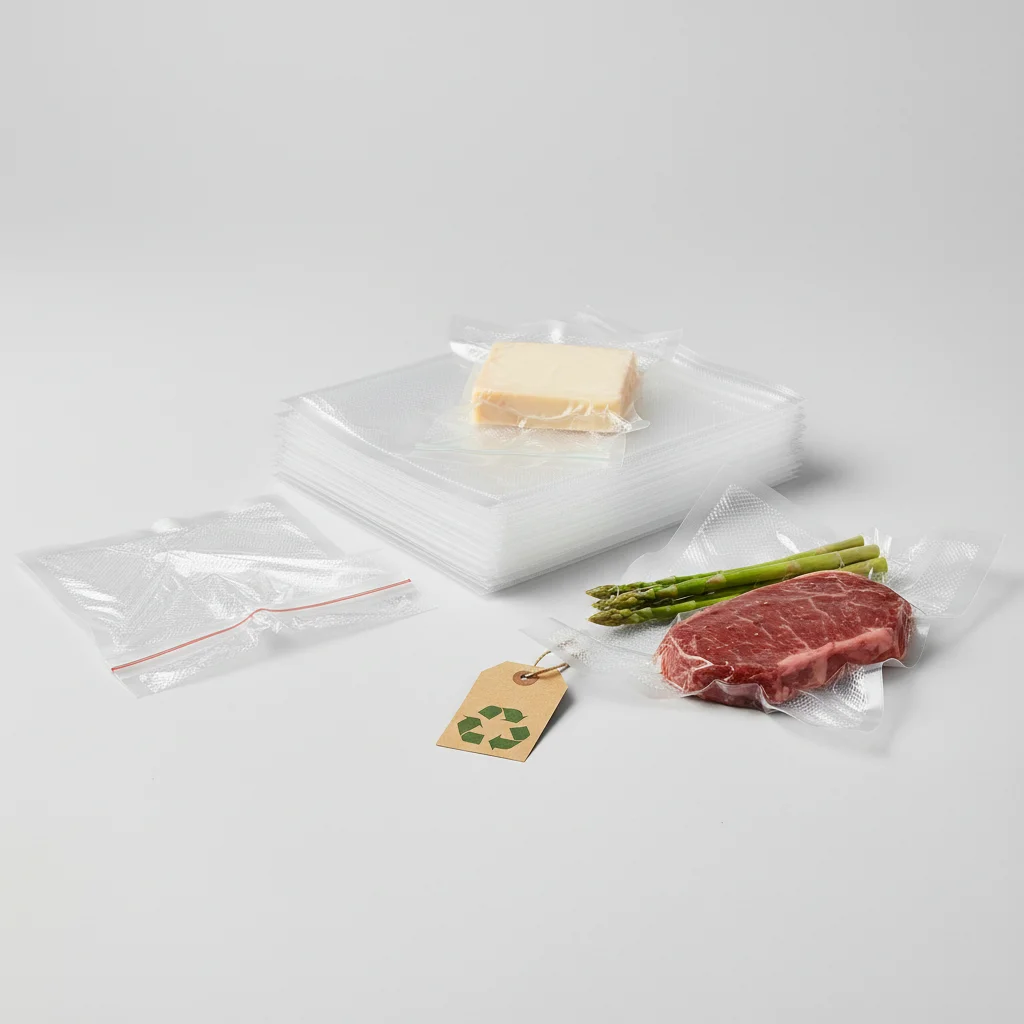
Most vacuum sealer bags can be safely reused one to three times, depending on their original contents and condition, to save money and reduce waste. It is crucial to follow specific guidelines to prevent cross-contamination and ensure effective sealing, especially regarding the type of food previously stored and the bag’s physical integrity.
Factors Determining Bag Reusability
The decision to reuse a vacuum sealer bag hinges on several key factors. Firstly, the original contents are paramount. Bags that held raw meats, poultry, or fish should never be reused due to the high risk of bacterial contamination, even after washing. Similarly, foods with strong odors or high oil content can leave residues that are difficult to remove and may compromise future seals. Secondly, the physical condition of the bag is critical. Look for any punctures, tears, or signs of wear. A compromised bag will not hold a vacuum effectively, defeating the purpose of preservation. Lastly, the method of cleaning and sterilization plays a significant role. Thorough washing with hot, soapy water and complete drying are essential. For shop curated home food on this site.
Safe Cleaning and Preparation for Reuse
To safely reuse a vacuum sealer bag, begin by cutting off the previously sealed edge, ensuring you leave enough material for a new seal. If the bag held non-perishable or low-risk items like crackers, dried fruits, or cooked vegetables, wash it immediately after emptying. Use hot water and dish soap, scrubbing gently to remove any food particles. For a more thorough cleaning, some bags can be turned inside out, but always check the manufacturer’s recommendations. After washing, rinse the bag thoroughly and allow it to air dry completely. Any residual moisture can hinder the vacuum sealing process and promote bacterial growth. Some users opt for a quick dip in a diluted bleach solution (1 teaspoon bleach per gallon of water) followed by another thorough rinse and dry for added sanitization, but this is generally not necessary for low-risk foods.
When to Absolutely Avoid Reusing Bags
|
Our Picks for the Best Vacuum Sealer in 2026
As an Amazon Associate I earn from qualifying purchases.
|
||
| Num | Product | Action |
|---|---|---|
| 1 | FoodSaver Vacuum Sealer Machine, Automatic Bag Detection, Sous Vide Friendly, with sealer bags, roll, handheld vacuum sealer, black |

|
| 2 | Nesco Deluxe Food VS-12 Vacuum Sealer, 130 Watts, Kit Bags & Viewing Lid, Compact, Silver |
|
| 3 | 95kPa Precision Vacuum Sealer Machine, Double Heat Seal for Dry/Moist Food, Easy-Lock Handle, Built-in Bag Storage & Cutter, Progress Display, Pulse Mode, Removable Drip Tray, Silver |
|
| 4 | Mesliese Vacuum Sealer Machine Powerful 90Kpa Precision 6-in-1 Compact Food Preservation System with Cutter, 2 Bag Rolls & 5 Pre-cut Bags, Widened 12mm Sealing Strip, Dry&Moist Modes (Silver) |
|
| 5 | 90KPa Portable Vacuum Sealer Machine for Food, One-Touch Open Lid, Detachable & Easy to Clean, Vertical Placement Saves Space, Powerful Suction for Freezer Bags & Food Storage |
|
| 6 | Food Vacuum Sealer Machine, Powerful & Continuous Vacuum Sealing for Kitchen Storage & Meal Prep, Wet & Dry Food Sealing, Detachable Upper & Lower Design for Easy Cleaning, Includes 50 Bags |
|
| 7 | NutriChef Food Vacuum Sealer Machine - Automatic Air Sealing System for Dry & Moist Foods, LED Touch Controls, Includes Vacuum Bags, Hose & Wine Stopper, High Suction Power, 14"x6"x3", Silver |
|
| 8 | FoodSaver PowerVac Compact Vacuum Sealing Machine Stainless Steel & Black Vertical Storage VS0150 | Preserves freshness reduces bag waste for both dry and wet food |
|
| 9 | Anybear Vacuum Sealer Machine, 90kPa 120W Wide Seal All-IN-1 Powerful Food Storage, Build-in Cutter | Bags Storage | Digital Countdown Display | 2 Bag Rolls and 5pcs Pre-cut Bags (Gray) |
|
| 10 | Chef Preserve Compact Vacuum Sealer for Food (Vacuum Sealer Machine + 30 Reusable Vacuum Bags) Powerful Handheld Vacuum Sealer Machine, Seal Meal Saver, Portable Food Sealer |
|
There are clear instances where reusing vacuum sealer bags is a definite no-go. As mentioned, any bag that contained raw meat, poultry, or seafood should be discarded immediately after use. The risk of transferring harmful bacteria like Salmonella or E. coli is too high, even with diligent cleaning. Bags that have come into contact with strong-smelling foods, such as onions or garlic, or oily foods, like bacon or heavily marinated items, should also be avoided for reuse. The lingering odors and oil residues can transfer to new foods and may prevent a proper seal. Furthermore, if a bag shows any signs of damage, such as small holes, tears, or weakened seams, it will not maintain a vacuum and should be discarded. Prioritizing food safety over cost savings is always the best approach.
Maximizing Bag Life and Sealing Effectiveness
To extend the life of your vacuum sealer bags and ensure effective sealing, consider these tips:
- Choose Quality Bags: Invest in durable, multi-ply bags designed for repeated use if that’s your intention.
- Leave Extra Space: When initially sealing, leave a few extra inches of bag material at the top. This provides more room for subsequent seals after trimming.
- Clean Immediately: Wash bags as soon as they are emptied to prevent food from drying and sticking.
- Store Properly: Keep cleaned and dried bags in a clean, dry place to prevent contamination before reuse.
- Inspect Carefully: Always inspect bags for damage before each reuse.
By following these guidelines, you can safely and effectively reuse your vacuum sealer bags for appropriate food items, contributing to both your budget and environmental efforts. Remember, when in doubt, it’s always safer to use a new bag. For those looking for a reliable source of new bags, consider exploring options that offer bulk purchases for better value.
Frequently Asked Questions
How many times can you safely reuse vacuum sealer bags?
You can safely reuse most vacuum sealer bags one to three times, provided they originally contained low-risk foods and are in good physical condition. Bags that held raw meats or oily foods should always be discarded after a single use to prevent contamination.
What types of food make vacuum sealer bags unsafe to reuse?
Vacuum sealer bags that contained raw meat, poultry, or seafood should never be reused due to the high risk of bacterial contamination from pathogens like Salmonella or E. coli. Bags with strong odors or high oil content, such as those used for bacon or marinated items, should also be avoided for reuse.
What is the best way to clean vacuum sealer bags for reuse?
To clean vacuum sealer bags for reuse, cut off the old seal, then wash the bag immediately with hot water and dish soap, scrubbing gently. Rinse thoroughly and allow the bag to air dry completely before storing. Some manufacturers may allow turning bags inside out for better cleaning.
What are the signs that a vacuum sealer bag should not be reused?
A vacuum sealer bag should not be reused if it shows any signs of damage, such as punctures, tears, or weakened seams, as these will prevent it from holding a vacuum. Additionally, if the bag contained raw meats, strong-smelling foods, or oily items, it should be discarded after one use.
Can reusing vacuum sealer bags save money and reduce waste?
Yes, reusing vacuum sealer bags for appropriate food items can significantly save money and reduce household waste. By extending the life of each bag through proper cleaning and careful inspection, consumers can decrease their overall purchase frequency and environmental impact.
How to Safely Reuse Vacuum Sealer Bags
Learn the steps to safely clean and prepare vacuum sealer bags for reuse, maximizing their life while maintaining food safety.
Begin by cutting off the previously sealed edge of the bag. Ensure you leave enough material remaining on the bag to create a new, effective seal for future use.
If the bag held non-perishable or low-risk items, wash it immediately after emptying with hot water and dish soap. Scrub gently to remove all food particles, and consider turning the bag inside out if recommended by the manufacturer for a more thorough clean.
After washing, rinse the bag thoroughly with clean water to remove all soap residue. Hang the bag or place it in a well-ventilated area to air dry completely, as any residual moisture can hinder sealing and promote bacterial growth.
Before each reuse, carefully inspect the cleaned and dried bag for any signs of damage, such as small holes, tears, or weakened seams. Discard any compromised bags to ensure effective vacuum sealing and food safety.
Get our weekly buyer guide
Practical specs, not advice. Unsubscribe anytime.

I’ve been wondering about reusing my vacuum sealer bags for ages! This really clarified which ones are safe to wash and re-seal. I used to just toss them all, but now I’m saving so much money by reusing the ones that held things like dried fruit or crackers. It’s a game-changer for reducing waste in my kitchen.
Excellent advice! I’ve been vacuum sealing my garden produce for years, and this really helped me optimize my bag usage. Knowing that bags used for things like blanched vegetables can often be reused 1-3 times is fantastic. It’s great to know I’m not just saving food, but also being more eco-friendly with my supplies.
Good info here, especially about not reusing bags that held raw meat. I tried washing one once after chicken, and it just never felt clean enough, plus the seal didn’t hold as well the second time. I wish there was a clearer way to tell if a bag’s integrity is compromised after one use, sometimes it’s hard to spot those tiny tears.
This was super helpful! I always felt guilty throwing away bags after just one use, especially the larger ones. Now I know to check for strong odors or oily residues before deciding to reuse. I’ve successfully reused several bags for storing my homemade granola and it works perfectly, saving me from buying new ones constantly.