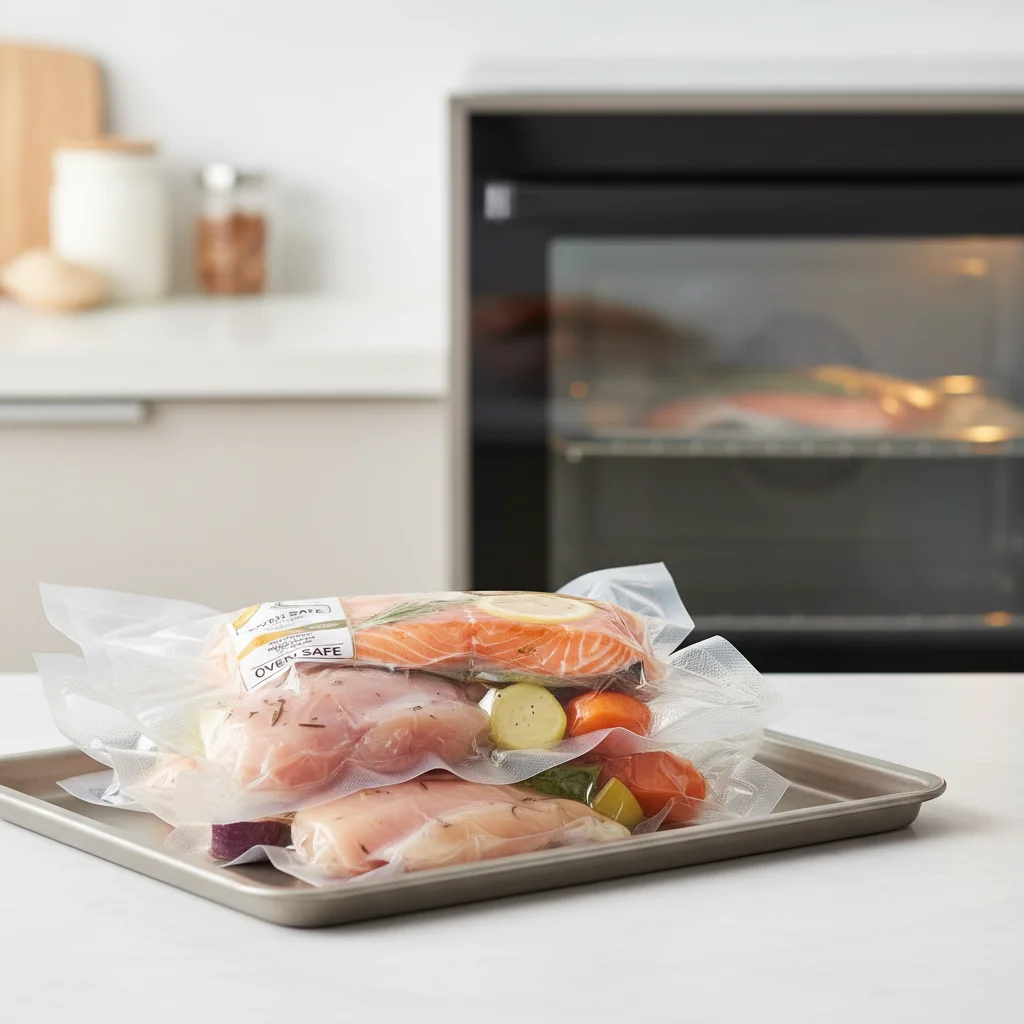
Vacuum sealer bags are generally not safe for direct oven use due to the high temperatures that can cause the plastic to melt, leach chemicals, or even ignite. Most standard vacuum sealer bags are designed for boiling, microwaving (with proper venting), and freezing, but not for the sustained dry heat of an oven. The maximum temperature tolerance for most food-grade vacuum seal bags is around 212°F (100°C) for boiling, far below typical oven temperatures which start at 300°F (150°C) or higher.
Understanding Vacuum Sealer Bag Materials
The majority of vacuum sealer bags are made from multi-layer plastics, typically a combination of polyethylene (PE) and nylon (PA). Polyethylene provides flexibility and sealability, while nylon offers strength and an oxygen barrier. These materials are chosen for their ability to withstand freezing, boiling, and microwave reheating, but they have specific melting points. Exceeding these points, as is common in an oven, can compromise the bag’s integrity and potentially release harmful substances into your food.
Risks of Using Standard Bags in the Oven
Using standard vacuum sealer bags in an oven presents several risks. Firstly, the plastic will likely melt, adhering to your food or the oven racks, creating a difficult mess to clean. Secondly, melting plastic can release chemicals such as phthalates or BPA (though many bags are now BPA-free) into your food, which is a health concern. Thirdly, the bag’s seal will fail, defeating the purpose of vacuum sealing and exposing your food to air. Finally, in extreme cases, the plastic could ignite, posing a fire hazard.
Alternatives for Oven Cooking
|
Our Picks for the Best Vacuum Sealer in 2026
As an Amazon Associate I earn from qualifying purchases.
|
||
| Num | Product | Action |
|---|---|---|
| 1 | 90KPa Portable Vacuum Sealer Machine for Food, One-Touch Open Lid, Detachable & Easy to Clean, Vertical Placement Saves Space, Powerful Suction for Freezer Bags & Food Storage |

|
| 2 | Food Vacuum Sealer Machine, Powerful & Continuous Vacuum Sealing for Kitchen Storage & Meal Prep, Wet & Dry Food Sealing, Detachable Upper & Lower Design for Easy Cleaning, Includes 50 Bags |
|
| 3 | Mesliese Vacuum Sealer Machine Powerful 90Kpa Precision 6-in-1 Compact Food Preservation System with Cutter, 2 Bag Rolls & 5 Pre-cut Bags, Widened 12mm Sealing Strip, Dry&Moist Modes (Silver) |
|
| 4 | FoodSaver PowerVac Compact Vacuum Sealing Machine Stainless Steel & Black Vertical Storage VS0150 | Preserves freshness reduces bag waste for both dry and wet food |
|
| 5 | Chef Preserve Compact Vacuum Sealer for Food (Vacuum Sealer Machine + 30 Reusable Vacuum Bags) Powerful Handheld Vacuum Sealer Machine, Seal Meal Saver, Portable Food Sealer |
|
| 6 | Anybear Vacuum Sealer Machine, 90kPa 120W Wide Seal All-IN-1 Powerful Food Storage, Build-in Cutter | Bags Storage | Digital Countdown Display | 2 Bag Rolls and 5pcs Pre-cut Bags (Gray) |
|
| 7 | NutriChef Food Vacuum Sealer Machine - Automatic Air Sealing System for Dry & Moist Foods, LED Touch Controls, Includes Vacuum Bags, Hose & Wine Stopper, High Suction Power, 14"x6"x3", Silver |
|
| 8 | FoodSaver Vacuum Sealer Machine, Automatic Bag Detection, Sous Vide Friendly, with sealer bags, roll, handheld vacuum sealer, black |
|
| 9 | 95kPa Precision Vacuum Sealer Machine, Double Heat Seal for Dry/Moist Food, Easy-Lock Handle, Built-in Bag Storage & Cutter, Progress Display, Pulse Mode, Removable Drip Tray, Silver |
|
| 10 | Nesco Deluxe Food VS-12 Vacuum Sealer, 130 Watts, Kit Bags & Viewing Lid, Compact, Silver |
|
If you need to cook food in the oven that has been vacuum sealed, there are safer alternatives. For sous vide cooking followed by a quick sear in the oven, you would typically remove the food from the vacuum bag before placing it in the oven. For direct oven cooking, consider using oven-safe bags specifically designed for roasting, such as those made from high-temperature resistant nylon or silicone. These bags are engineered to withstand the high, dry heat of an oven without melting or leaching chemicals.
- Use oven-safe roasting bags for direct oven cooking.
- Remove food from vacuum seal bags before placing in the oven.
- Opt for silicone cooking bags for reusable, high-temperature solutions.
- Always check product specifications for temperature limits.
- Consider ceramic or glass bakeware for oven reheating.
When is it Safe to Heat Vacuum-Sealed Food?
While direct oven use is generally out, vacuum-sealed food can be safely heated using other methods. Boiling is a common and safe method for reheating vacuum-sealed meals. Simply place the sealed bag in simmering water until the food is heated through. Microwaving is also an option, but it’s crucial to vent the bag by cutting a small slit to prevent steam buildup and potential bursting. Always follow the manufacturer’s guidelines for your specific vacuum sealer bags regarding heating methods and temperature limits.For best results, always ensure the bag is fully submerged if boiling, or properly vented if microwaving.
Get our weekly buyer guide
Practical specs, not advice. Unsubscribe anytime.
