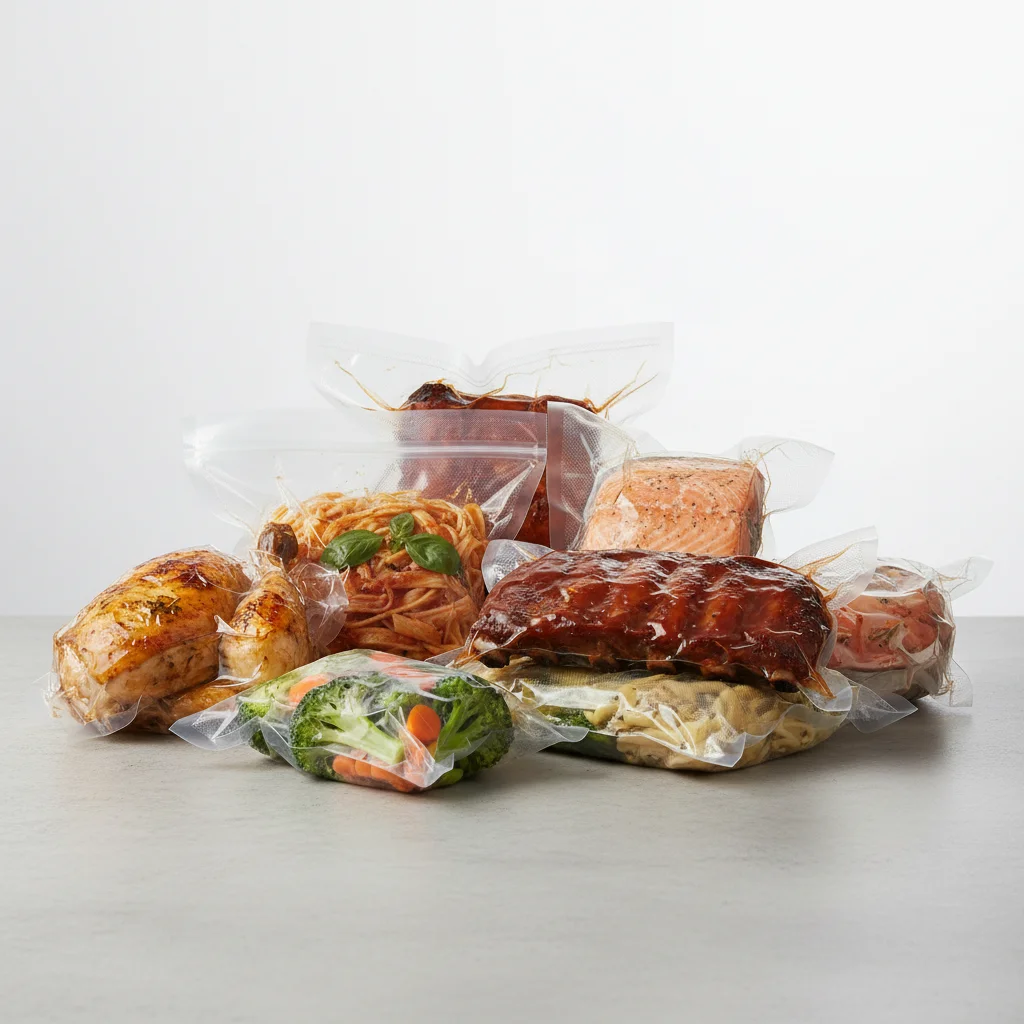
Vacuum sealer bags are an excellent tool for extending the shelf life of cooked foods, but proper storage techniques are crucial to ensure safety and quality. When storing cooked foods in vacuum sealer bags, it’s essential to cool them rapidly before sealing and refrigerating or freezing. This practice minimizes the risk of bacterial growth and maintains the food’s texture and flavor for an extended period, typically up to 5 days in the refrigerator or several months in the freezer.
Why Rapid Cooling is Essential for Cooked Foods
Rapid cooling of cooked foods before vacuum sealing is a critical food safety measure. The ‘danger zone’ for bacterial growth is between 40°F and 140°F (4°C and 60°C). Cooked foods should pass through this temperature range as quickly as possible. Spreading food in shallow containers, using an ice bath, or dividing large portions into smaller ones are effective methods to achieve rapid cooling. Once cooled to 40°F (4°C) or below, the food is ready for vacuum sealing. For compare top home food on this site.
Best Practices for Sealing Cooked Foods
When sealing cooked foods, especially those with sauces or liquids, consider pre-freezing them slightly to prevent liquids from being drawn into the vacuum sealer’s pump. This also helps maintain the food’s shape. For delicate items, a ‘pulse’ vacuum function can be beneficial, allowing you to control the amount of air removed and prevent crushing. Always ensure the bag is clean and dry around the seal area to create a strong, airtight seal.
- Cool cooked food to 40°F (4°C) or below before sealing.
- Pre-freeze liquid-rich foods to prevent pump damage.
- Use the ‘pulse’ function for delicate items.
- Ensure the bag’s sealing area is clean and dry.
- Label bags with contents and date for easy tracking.
Refrigeration and Freezing Guidelines
|
Our Picks for the Best Vacuum Sealer in 2026
As an Amazon Associate I earn from qualifying purchases.
|
||
| Num | Product | Action |
|---|---|---|
| 1 | 90KPa Portable Vacuum Sealer Machine for Food, One-Touch Open Lid, Detachable & Easy to Clean, Vertical Placement Saves Space, Powerful Suction for Freezer Bags & Food Storage |

|
| 2 | NutriChef Food Vacuum Sealer Machine - Automatic Air Sealing System for Dry & Moist Foods, LED Touch Controls, Includes Vacuum Bags, Hose & Wine Stopper, High Suction Power, 14"x6"x3", Silver |
|
| 3 | FoodSaver Vacuum Sealer Machine, Automatic Bag Detection, Sous Vide Friendly, with sealer bags, roll, handheld vacuum sealer, black |
|
| 4 | 95kPa Precision Vacuum Sealer Machine, Double Heat Seal for Dry/Moist Food, Easy-Lock Handle, Built-in Bag Storage & Cutter, Progress Display, Pulse Mode, Removable Drip Tray, Silver |
|
| 5 | Mesliese Vacuum Sealer Machine Powerful 90Kpa Precision 6-in-1 Compact Food Preservation System with Cutter, 2 Bag Rolls & 5 Pre-cut Bags, Widened 12mm Sealing Strip, Dry&Moist Modes (Silver) |
|
| 6 | Food Vacuum Sealer Machine, Powerful & Continuous Vacuum Sealing for Kitchen Storage & Meal Prep, Wet & Dry Food Sealing, Detachable Upper & Lower Design for Easy Cleaning, Includes 50 Bags |
|
| 7 | FoodSaver PowerVac Compact Vacuum Sealing Machine Stainless Steel & Black Vertical Storage VS0150 | Preserves freshness reduces bag waste for both dry and wet food |
|
| 8 | Chef Preserve Compact Vacuum Sealer for Food (Vacuum Sealer Machine + 30 Reusable Vacuum Bags) Powerful Handheld Vacuum Sealer Machine, Seal Meal Saver, Portable Food Sealer |
|
| 9 | Anybear Vacuum Sealer Machine, 90kPa 120W Wide Seal All-IN-1 Powerful Food Storage, Build-in Cutter | Bags Storage | Digital Countdown Display | 2 Bag Rolls and 5pcs Pre-cut Bags (Gray) |
|
| 10 | Nesco Deluxe Food VS-12 Vacuum Sealer, 130 Watts, Kit Bags & Viewing Lid, Compact, Silver |
|
Once vacuum-sealed, cooked foods can be safely stored in the refrigerator or freezer. In the refrigerator, most cooked foods will last for 3-5 days, significantly longer than unsealed foods. For longer-term storage, freezing is the best option. Vacuum-sealed cooked foods can last for 6-12 months in the freezer without significant loss of quality or freezer burn. Always check for any signs of spoilage, such as off-odors or discoloration, before consuming.
For optimal results, consider investing in a high-quality vacuum sealer designed for frequent use.These models often offer stronger seals and more versatile settings, making them ideal for preserving a wide range of cooked dishes. Additionally, using durable, BPA-free vacuum sealer bags is crucial for both food safety and effective preservation.
Thawing and Reheating Vacuum-Sealed Cooked Foods
Thawing vacuum-sealed cooked foods should always be done safely. The safest methods include thawing in the refrigerator, under cold running water, or in the microwave. Never thaw at room temperature. Once thawed, reheat the food to an internal temperature of 165°F (74°C) to ensure any potential bacteria are destroyed. For best results, reheat slowly to maintain moisture and flavor.Some foods, like soups or stews, can even be reheated directly in the bag using the sous vide method, provided the bags are rated for high temperatures.
Get our weekly buyer guide
Practical specs, not advice. Unsubscribe anytime.

This information on the ‘danger zone’ for bacterial growth was super helpful. I always just let things cool on the counter, but now I understand why getting food below 40°F quickly is so important before vacuum sealing. I’ve started dividing my large batches of soup into smaller portions to cool faster, and it’s made a huge difference in how long they last in the freezer. No more wasted leftovers!
I’ve been using my vacuum sealer for raw meats for ages, but I never really thought about using it for cooked foods until I read this. The tip about rapid cooling in shallow containers before sealing is a game-changer. My leftover chili now lasts so much longer in the freezer without any freezer burn, and it tastes just as fresh when I reheat it months later. Definitely a must-do for meal prep!
I’ve been using my vacuum sealer for cooked pasta dishes, and it’s been fantastic for keeping them fresh for up to 5 days in the refrigerator. The key really is to cool them down fast. I appreciate the reminder about not letting things sit out too long. It’s made my weekly meal prep much more efficient and safe.
I tried vacuum sealing some leftover roasted chicken after cooling it in an ice bath, and while it did extend the fridge life, I found the texture of the chicken was a little off when I reheated it. It wasn’t bad, just not quite as good as fresh. Maybe I need to experiment with different types of cooked foods. The bags themselves worked fine, though.