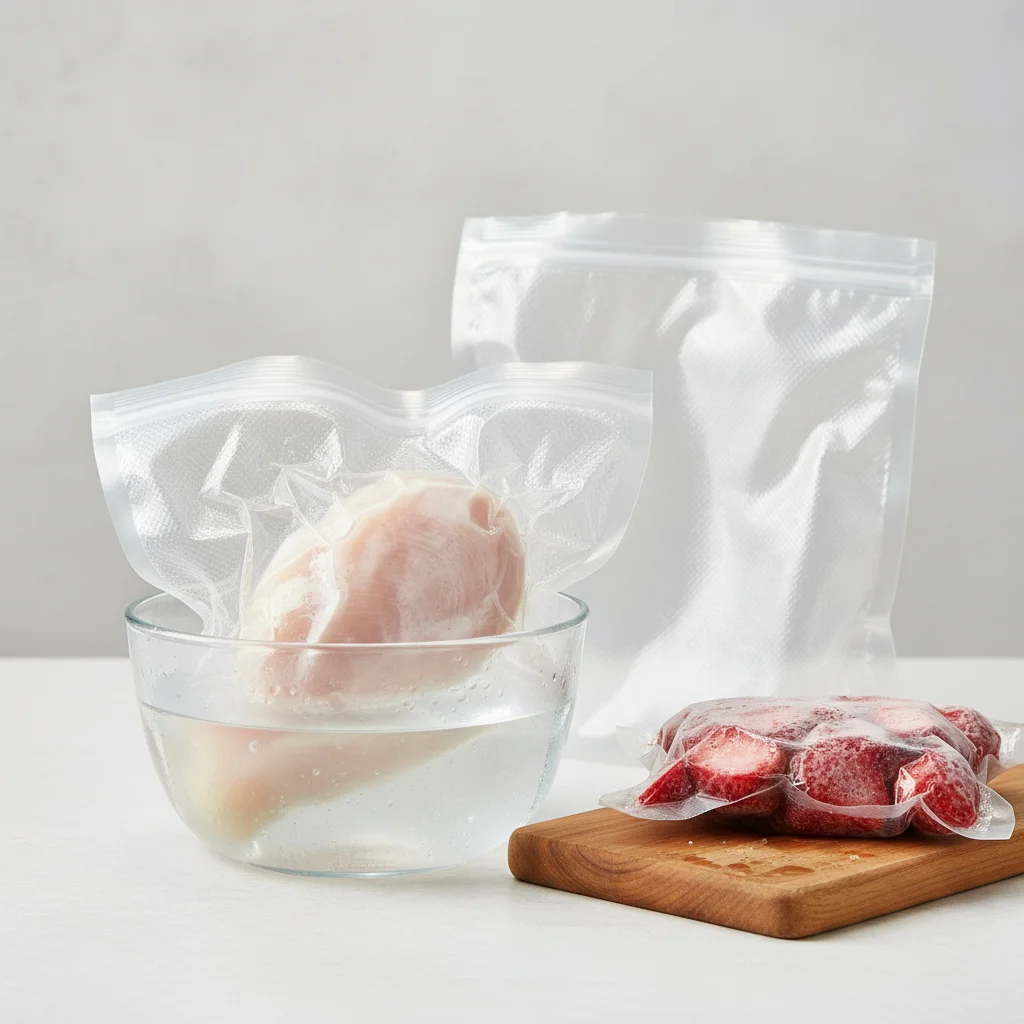
Thawing frozen foods in vacuum sealer bags is a safe and efficient method, provided you follow specific guidelines to prevent bacterial growth. The safest way to thaw food sealed in vacuum bags is in the refrigerator, which can take anywhere from 12 to 48 hours depending on the size and type of food. For quicker thawing, cold water immersion is an option, but it requires more attention to food safety.
Refrigerator Thawing: The Safest Method
Thawing food in the refrigerator is by far the safest method for items stored in vacuum sealer bags. This slow, consistent thawing process keeps food at a safe temperature (below 40°F or 4°C), minimizing the risk of bacterial proliferation. Simply transfer your vacuum-sealed package from the freezer to a plate or tray in the refrigerator. A small cut of meat might thaw in a day, while a larger roast or whole chicken could take two days or more. Always ensure the refrigerator temperature is maintained at or below 40°F (4°C). For home food buying guides on this site.
Cold Water Thawing: A Faster Alternative
If you’re pressed for time, thawing vacuum-sealed food in cold water is a viable option. It’s crucial that the food remains completely submerged in cold tap water (70°F or 21°C or below) and that the water is changed every 30 minutes. This ensures the water stays cold and prevents the outer layer of the food from warming up too much. For optimal safety, food thawed this way should be cooked immediately after it’s fully defrosted. Never use hot water, as this can bring the food into the ‘danger zone’ where bacteria multiply rapidly.
- Ensure the vacuum seal is intact before submerging.
- Change the cold water every 30 minutes.
- Cook food immediately after thawing.
- Use a clean sink or container for thawing.
- Avoid cross-contamination with other foods.
Microwave Thawing: When to Use with Caution
|
Our Picks for the Best Vacuum Sealer in 2026
As an Amazon Associate I earn from qualifying purchases.
|
||
| Num | Product | Action |
|---|---|---|
| 1 | Anybear Vacuum Sealer Machine, 90kPa 120W Wide Seal All-IN-1 Powerful Food Storage, Build-in Cutter | Bags Storage | Digital Countdown Display | 2 Bag Rolls and 5pcs Pre-cut Bags (Gray) |

|
| 2 | Mesliese Vacuum Sealer Machine Powerful 90Kpa Precision 6-in-1 Compact Food Preservation System with Cutter, 2 Bag Rolls & 5 Pre-cut Bags, Widened 12mm Sealing Strip, Dry&Moist Modes (Silver) |
|
| 3 | 90KPa Portable Vacuum Sealer Machine for Food, One-Touch Open Lid, Detachable & Easy to Clean, Vertical Placement Saves Space, Powerful Suction for Freezer Bags & Food Storage |
|
| 4 | FoodSaver Vacuum Sealer Machine, Automatic Bag Detection, Sous Vide Friendly, with sealer bags, roll, handheld vacuum sealer, black |
|
| 5 | Nesco Deluxe Food VS-12 Vacuum Sealer, 130 Watts, Kit Bags & Viewing Lid, Compact, Silver |
|
| 6 | Food Vacuum Sealer Machine, Powerful & Continuous Vacuum Sealing for Kitchen Storage & Meal Prep, Wet & Dry Food Sealing, Detachable Upper & Lower Design for Easy Cleaning, Includes 50 Bags |
|
| 7 | Chef Preserve Compact Vacuum Sealer for Food (Vacuum Sealer Machine + 30 Reusable Vacuum Bags) Powerful Handheld Vacuum Sealer Machine, Seal Meal Saver, Portable Food Sealer |
|
| 8 | FoodSaver PowerVac Compact Vacuum Sealing Machine Stainless Steel & Black Vertical Storage VS0150 | Preserves freshness reduces bag waste for both dry and wet food |
|
| 9 | 95kPa Precision Vacuum Sealer Machine, Double Heat Seal for Dry/Moist Food, Easy-Lock Handle, Built-in Bag Storage & Cutter, Progress Display, Pulse Mode, Removable Drip Tray, Silver |
|
| 10 | NutriChef Food Vacuum Sealer Machine - Automatic Air Sealing System for Dry & Moist Foods, LED Touch Controls, Includes Vacuum Bags, Hose & Wine Stopper, High Suction Power, 14"x6"x3", Silver |
|
While some vacuum-sealed foods can be thawed in the microwave, it’s generally not recommended for larger items or those you plan to cook later. Microwaves tend to thaw food unevenly, potentially leaving some parts warm enough for bacteria to grow while others remain frozen. If you choose to microwave, remove the food from the vacuum bag first, place it on a microwave-safe plate, and use the defrost setting. Food thawed in the microwave must be cooked immediately.
Understanding the ‘Danger Zone’
The ‘danger zone’ for food is between 40°F (4°C) and 140°F (60°C), where bacteria can double in number in as little as 20 minutes. When thawing vacuum-sealed foods, the primary goal is to keep the food out of this temperature range for as long as possible. This is why refrigerator thawing is preferred, and why cold water thawing requires constant attention to water temperature and immediate cooking.
For reliable vacuum sealer bags that maintain their integrity during freezing and thawing, consider options like. These bags are designed to withstand temperature changes without compromising the seal, which is critical for safe food preservation.
Refreezing Thawed Foods: What You Need to Know
Whether you can refreeze thawed food depends on the thawing method. Food thawed in the refrigerator can be refrozen safely, though there might be some loss in quality due to moisture loss. However, food thawed in cold water or the microwave should not be refrozen unless it has been cooked first. Always prioritize food safety to prevent foodborne illnesses. For those looking for durable and effective vacuum sealers to ensure a perfect seal every time, check out.
Get our weekly buyer guide
Practical specs, not advice. Unsubscribe anytime.
