Lede
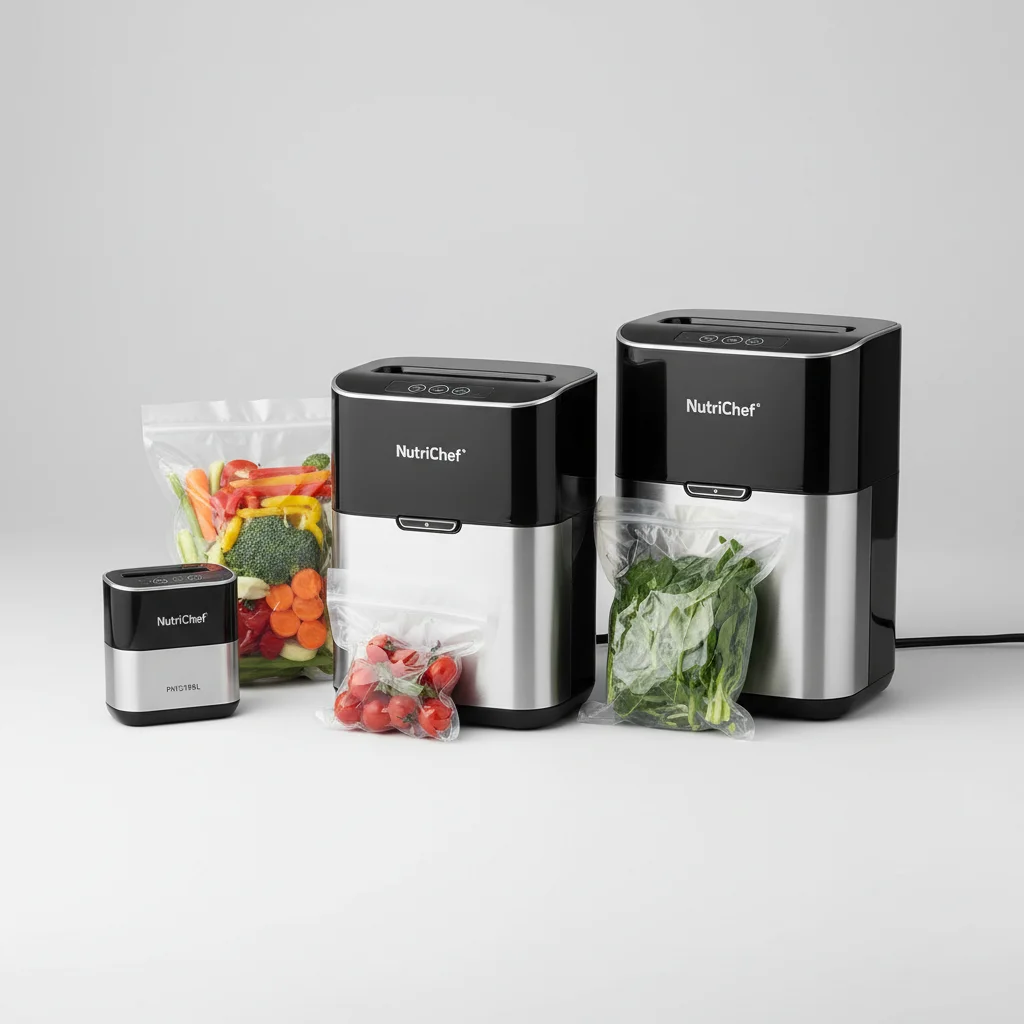
The NutriChef PKVS18SL is the best NutriChef vacuum sealer for vegetables, offering reliable sealing and versatile modes essential for preserving produce. Its compact design and user-friendly interface make it an excellent choice for home cooks focused on extending the life of their garden harvests or grocery store finds.
Quick comparison
| Model | Sealing Power | Moist/Dry Modes | Pulse Function | Price Range |
|---|---|---|---|---|
| NutriChef PKVS18SL | 120W | Yes | No | $$ |
| NutriChef PKVS20STS | 120W | Yes | Yes | $$$ |
| NutriChef PKVS10BK | 110W | No | No | $ |
What vegetables needs from a vacuum sealer
Vegetables require specific features from a vacuum sealer to maintain their quality and extend shelf life effectively. First, a strong vacuum pump is crucial to remove air efficiently, preventing oxidation and freezer burn. Vegetables, especially those with higher moisture content like broccoli or spinach, benefit greatly from a ‘moist’ sealing mode. This setting adjusts the heat seal time to ensure a secure, leak-proof seal without melting the bag prematurely due to residual moisture. For delicate vegetables such as berries or soft greens, a ‘pulse’ function is invaluable. This allows manual control over the vacuum pressure, preventing crushing while still removing sufficient air. The sealer should also accommodate various bag sizes and types, including rolls, to customize storage for different vegetable quantities. Durability and ease of cleaning are also important considerations, as vegetable juices can sometimes create messes. A reliable NutriChef vacuum sealer will offer these features to ensure your produce stays fresh longer.
Detailed reviews
NutriChef PKVS18SL
The NutriChef PKVS18SL stands out as an excellent choice for vegetable preservation due to its balanced features and reliable performance. It boasts a 120-watt motor, providing strong suction to remove air effectively from bags, crucial for preventing freezer burn on items like green beans or corn. This model includes both ‘Dry’ and ‘Moist’ food settings, which are particularly beneficial for vegetables. The ‘Moist’ setting ensures a secure seal even with slightly damp produce, preventing common sealing failures. Its compact design, measuring 14.1 x 6 x 3 inches, makes it easy to store in smaller kitchens. The simple electric plug-in design and soft-touch digital buttons offer straightforward operation. While it lacks a pulse function, its standard vacuum and seal capabilities are robust enough for most common vegetables, making it a practical and efficient tool for extending freshness.
NutriChef PKVS20STS
For those seeking advanced control over vegetable preservation, the NutriChef PKVS20STS is a premium option. Equipped with a powerful 120-watt motor, it delivers consistent and strong vacuuming. A key feature for vegetables is its ‘Pulse’ function, which allows users to manually control the vacuum pressure. This is ideal for delicate items like mushrooms, berries, or leafy greens, preventing them from being crushed while still removing adequate air. It also includes ‘Dry’ and ‘Moist’ settings, ensuring optimal sealing for various vegetable types, from crisp carrots to juicy tomatoes. The stainless steel construction not only adds to its durability but also makes it easy to clean after handling fresh produce. Its slightly larger footprint, at 14.6 x 6.5 x 3.3 inches, accommodates its enhanced features, making it a versatile and robust choice for serious home preservers.
NutriChef PKVS10BK
The NutriChef PKVS10BK offers a budget-friendly and compact solution for basic vegetable vacuum sealing needs. With an 110-watt motor, it provides sufficient suction for general preservation tasks, suitable for less delicate vegetables like potatoes or onions. This model focuses on simplicity, featuring a straightforward ‘Vacuum & Seal’ function. While it lacks specific ‘Moist’ or ‘Dry’ settings and a ‘Pulse’ function, its ease of use makes it accessible for beginners. Its ultra-compact design, measuring 14.2 x 5.9 x 2.9 inches, is perfect for kitchens with limited counter space. The PKVS10BK is an excellent entry-level NutriChef vacuum sealer for those primarily looking to prevent freezer burn and extend the shelf life of robust vegetables without needing specialized controls for delicate produce. It’s a reliable workhorse for everyday sealing.
Use cases
A NutriChef vacuum sealer is invaluable for various vegetable preservation scenarios. Gardeners can seal excess harvest like zucchini, beans, or tomatoes to enjoy fresh produce year-round, preventing spoilage and waste. Bulk shoppers benefit by portioning and sealing large bags of spinach, broccoli florets, or chopped peppers, extending their freshness significantly beyond typical refrigeration. Meal preppers can vacuum seal pre-chopped vegetables for quick weeknight meals, saving time and ensuring ingredients remain vibrant. Even for everyday use, sealing half-used bags of salad greens or herbs can prevent them from wilting prematurely. The ability to remove air and create an airtight seal locks in nutrients and flavor, making a NutriChef vacuum sealer an essential tool for any kitchen focused on healthy eating and minimizing food waste.
FAQs
How does a vacuum sealer help preserve vegetables?
A vacuum sealer preserves vegetables by removing oxygen from the storage bag, which is the primary cause of spoilage, oxidation, and freezer burn. By creating an airtight environment, it significantly slows down the natural degradation process, inhibiting the growth of mold and bacteria. This method locks in the vegetables’ natural flavors, nutrients, and textures, allowing them to remain fresh for much longer in the refrigerator or freezer compared to traditional storage methods. The absence of air also prevents ice crystals from forming, which can damage the texture of frozen vegetables.
Can I vacuum seal all types of vegetables?
Most vegetables can be vacuum sealed, but some require specific preparation. Blanching is recommended for many vegetables like broccoli, green beans, and carrots before sealing and freezing to preserve color, flavor, and texture. Delicate vegetables such as lettuce or soft berries might be crushed by a full vacuum; for these, a ‘pulse’ function or partial vacuum is ideal. Vegetables with high moisture content, like tomatoes, may benefit from being frozen solid first or using a ‘moist’ sealing mode to prevent liquid from interfering with the seal. Always ensure vegetables are clean and dry before sealing.
Do I need special bags for vacuum sealing vegetables?
Yes, you need specific vacuum sealer bags or rolls designed for use with a vacuum sealing machine. These bags are typically made from multi-layered, heavy-duty plastic that is resistant to punctures and has a textured surface on one side. The textured surface allows air to be effectively drawn out of the bag during the vacuuming process. Standard freezer bags or zip-top bags will not work with a vacuum sealer because they are not designed to withstand the vacuum pressure and do not allow for proper air extraction or a secure heat seal. NutriChef sealers are compatible with most universal vacuum sealer bags.
How long do vacuum-sealed vegetables last?
The shelf life of vacuum-sealed vegetables varies depending on the type of vegetable and storage method. In the refrigerator, vacuum-sealed vegetables can last 1-2 weeks, significantly longer than the typical 3-5 days for unsealed produce. When frozen, vacuum-sealed vegetables can last 1-3 years, compared to 6-12 months for conventionally frozen vegetables. This extended freshness is due to the removal of oxygen, which slows down spoilage and prevents freezer burn. Always refer to specific guidelines for individual vegetables for optimal storage times.
Is it safe to vacuum seal raw vegetables?
It is generally safe to vacuum seal most raw vegetables, especially those intended for freezing. However, some raw vegetables, particularly cruciferous ones like broccoli, cabbage, and Brussels sprouts, release gases over time. If vacuum sealed raw and stored in the refrigerator, these gases can cause the bag to inflate and potentially spoil the vegetables. For these types, blanching before vacuum sealing and freezing is highly recommended. For other raw vegetables like carrots, bell peppers, or onions, vacuum sealing is safe and effective for extending their shelf life in the freezer.
Verdict
For optimal vegetable preservation, the NutriChef PKVS18SL emerges as the top choice among NutriChef vacuum sealers. Its robust 120-watt motor, coupled with dedicated ‘Dry’ and ‘Moist’ sealing modes, provides the versatility and power needed to handle a wide array of produce, from delicate greens to hearty root vegetables. While the PKVS20STS offers a valuable ‘Pulse’ function for extremely delicate items, the PKVS18SL strikes the best balance of features, performance, and value for most home users focused on extending the freshness and preventing freezer burn on their vegetables. Its reliable sealing capabilities make it an indispensable tool for any kitchen aiming to reduce food waste and enjoy garden-fresh flavors year-round.
Frequently Asked Questions
How does a vacuum sealer help preserve vegetables?
A vacuum sealer preserves vegetables by removing oxygen from the storage bag, which is the primary cause of spoilage, oxidation, and freezer burn. By creating an airtight environment, it significantly slows down the natural degradation process, inhibiting the growth of mold and bacteria. This method locks in the vegetables' natural flavors, nutrients, and textures, allowing them to remain fresh for much longer in the refrigerator or freezer compared to traditional storage methods.
Can all types of vegetables be vacuum sealed?
Most vegetables can be vacuum sealed, but some require specific preparation. Blanching is recommended for many vegetables like broccoli, green beans, and carrots before sealing and freezing to preserve color, flavor, and texture. Delicate vegetables such as lettuce or soft berries might be crushed by a full vacuum; for these, a 'pulse' function or partial vacuum is ideal.
Do I need special bags for vacuum sealing vegetables?
Yes, you need specific vacuum sealer bags or rolls designed for use with a vacuum sealing machine. These bags are typically made from multi-layered, heavy-duty plastic that is resistant to punctures and has a textured surface on one side. NutriChef sealers are compatible with most universal vacuum sealer bags, ensuring proper air extraction and a secure heat seal.
How long do vacuum-sealed vegetables last?
The shelf life of vacuum-sealed vegetables varies depending on the type of vegetable and storage method. In the refrigerator, vacuum-sealed vegetables can last 1-2 weeks, significantly longer than the typical 3-5 days for unsealed produce. When frozen, vacuum-sealed vegetables can last 1-3 years, compared to 6-12 months for conventionally frozen vegetables.
Is it safe to vacuum seal raw vegetables?
It is generally safe to vacuum seal most raw vegetables, especially those intended for freezing. However, some raw vegetables, particularly cruciferous ones like broccoli, cabbage, and Brussels sprouts, release gases over time. For these types, blanching before vacuum sealing and freezing is highly recommended to prevent bag inflation and spoilage. For other raw vegetables like carrots, bell peppers, or onions, vacuum sealing is safe and effective for extending their shelf life in the freezer.
Get our weekly buyer guide
Practical specs, not advice. Unsubscribe anytime.
This vacuum sealer has been a game-changer for my meal prep. I use the NutriChef PKVS18SL to seal everything from chopped bell peppers to blanched broccoli. The compact design is great for my small kitchen counter, and it’s super easy to use. No more freezer burn on my veggies!
I got the NutriChef PKVS10BK because it was in my budget, and it does a decent job for basic sealing. However, I really wish it had a moist sealing mode. My spinach and other leafy greens sometimes get a little squished or don’t seal perfectly because of the moisture. It’s fine for drier items, but I might upgrade later.
I finally pulled the trigger on the NutriChef PKVS18SL after reading about it, and I’m so glad I did! It’s perfect for my garden tomatoes and green beans. The moist sealing mode works like a charm, keeping everything fresh without squishing the more delicate veggies. It’s really extended the life of my produce.
The NutriChef PKVS20STS is a solid machine. I appreciate the pulse function for sealing softer items like berries without crushing them, which was a big selling point for me. It’s a bit pricier than some other models, but the extra features make it worth it for preserving a wider variety of foods from my farmer’s market hauls.