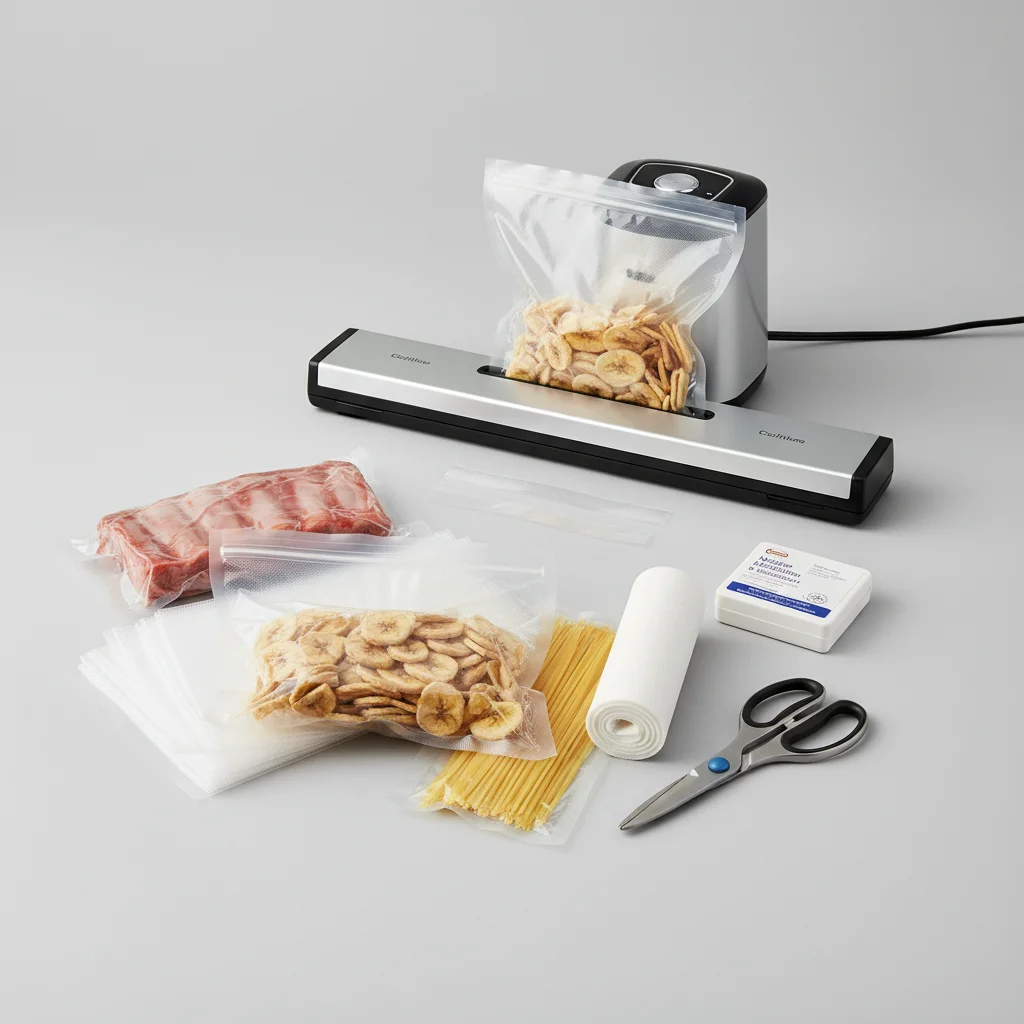
Preventing punctures in vacuum sealer bags is crucial for maintaining food freshness and extending shelf life. The most effective method involves proper food preparation, using appropriate bag sizes, and adding cushioning layers when sealing items with sharp edges. By implementing these strategies, you can significantly reduce the risk of bag damage and ensure your food remains perfectly preserved.
Understanding Common Causes of Bag Punctures
Punctures in vacuum sealer bags often stem from a few common culprits. Sharp edges on food items, such as bones in meat or rigid stems on vegetables, are primary offenders. Improper handling during the sealing process or storage can also lead to tears. Additionally, using bags that are too small for the contents can create tension points, making them more susceptible to damage.
Preparing Food to Minimize Puncture Risks
Careful food preparation is your first line of defense against punctures. For meats with bones, trim away any sharp points or wrap the bone ends in a small piece of paper towel or a double layer of plastic wrap before placing them in the bag. When sealing items like pasta or crackers, ensure they are not pressed against the bag’s interior in a way that could create a sharp point. For items with natural sharp edges, consider pre-freezing them slightly to firm them up, which can reduce their ability to pierce the bag during the vacuum process.
Choosing the Right Bag Size and Material
|
Our Picks for the Best Vacuum Sealer in 2026
As an Amazon Associate I earn from qualifying purchases.
|
||
| Num | Product | Action |
|---|---|---|
| 1 | FoodSaver PowerVac Compact Vacuum Sealing Machine Stainless Steel & Black Vertical Storage VS0150 | Preserves freshness reduces bag waste for both dry and wet food |

|
| 2 | Chef Preserve Compact Vacuum Sealer for Food (Vacuum Sealer Machine + 30 Reusable Vacuum Bags) Powerful Handheld Vacuum Sealer Machine, Seal Meal Saver, Portable Food Sealer |
|
| 3 | FoodSaver Vacuum Sealer Machine, Automatic Bag Detection, Sous Vide Friendly, with sealer bags, roll, handheld vacuum sealer, black |
|
| 4 | 90KPa Portable Vacuum Sealer Machine for Food, One-Touch Open Lid, Detachable & Easy to Clean, Vertical Placement Saves Space, Powerful Suction for Freezer Bags & Food Storage |
|
| 5 | Nesco Deluxe Food VS-12 Vacuum Sealer, 130 Watts, Kit Bags & Viewing Lid, Compact, Silver |
|
| 6 | NutriChef Food Vacuum Sealer Machine - Automatic Air Sealing System for Dry & Moist Foods, LED Touch Controls, Includes Vacuum Bags, Hose & Wine Stopper, High Suction Power, 14"x6"x3", Silver |
|
| 7 | Anybear Vacuum Sealer Machine, 90kPa 120W Wide Seal All-IN-1 Powerful Food Storage, Build-in Cutter | Bags Storage | Digital Countdown Display | 2 Bag Rolls and 5pcs Pre-cut Bags (Gray) |
|
| 8 | Mesliese Vacuum Sealer Machine Powerful 90Kpa Precision 6-in-1 Compact Food Preservation System with Cutter, 2 Bag Rolls & 5 Pre-cut Bags, Widened 12mm Sealing Strip, Dry&Moist Modes (Silver) |
|
| 9 | 95kPa Precision Vacuum Sealer Machine, Double Heat Seal for Dry/Moist Food, Easy-Lock Handle, Built-in Bag Storage & Cutter, Progress Display, Pulse Mode, Removable Drip Tray, Silver |
|
| 10 | Food Vacuum Sealer Machine, Powerful & Continuous Vacuum Sealing for Kitchen Storage & Meal Prep, Wet & Dry Food Sealing, Detachable Upper & Lower Design for Easy Cleaning, Includes 50 Bags |
|
Selecting the correct size vacuum sealer bag is paramount. A bag that is too small will stretch tightly around the food, increasing the likelihood of a puncture. Always leave at least 2-3 inches of extra space at the top of the bag for a secure seal and some flexibility. While most vacuum sealer bags are made from durable multi-ply materials, some brands offer thicker, more puncture-resistant options, which can be a worthwhile investment for frequently sealing challenging items.
Utilizing Cushioning and Protective Layers
For foods with unavoidable sharp edges, adding a protective layer inside the bag is highly effective. You can use a small piece of paper towel, a coffee filter, or even a cut-off piece of another vacuum sealer bag to wrap around the sharp area. This creates a buffer between the food and the bag, absorbing any potential piercing force. This technique is particularly useful for items like fish fillets with fins or certain cuts of poultry.
- Wrap sharp bones with paper towels or plastic wrap.
- Place coffee filters or bag scraps around pointed food items.
- Use thicker, commercial-grade bags for extra protection.
- Ensure adequate space in the bag to prevent stretching.
- Pre-freeze delicate or sharp items to firm them up.
Best Practices for Sealing and Storage
During the sealing process, ensure the food is positioned centrally and not pressing against the edges of the bag. After sealing, handle the bags carefully, especially when placing them in the freezer or pantry. Avoid stacking heavy, rigid items directly on top of vacuum-sealed bags containing delicate or sharp foods. Proper organization in your freezer or pantry can also prevent accidental punctures from other items.
Troubleshooting and Prevention Tips
If you frequently encounter punctures, re-evaluate your preparation and sealing techniques. Are you consistently using bags that are too small? Are you overlooking sharp points on your food? Sometimes, a small tear can occur if the sealing bar is not perfectly clean or if there’s a wrinkle in the bag during sealing. Regularly inspect your sealer’s heat strip and gasket for any damage that might compromise the seal’s integrity, which could indirectly lead to bag failure.
Get our weekly buyer guide
Practical specs, not advice. Unsubscribe anytime.

I’ve been vacuum sealing for years, but I never thought about how using bags that are too small could cause tension points and lead to damage. Since I started using slightly larger bags for bulkier items, I haven’t had a single tear. It’s such a simple fix that makes a big difference in preserving my garden harvest.
I used to get so frustrated with my vacuum sealer bags tearing, especially with frozen meat. The tip about adding a small piece of paper towel as a cushion around bones has been a game-changer! My last batch of venison steaks sealed perfectly with no punctures, and they’re staying fresh in the freezer. This really works.
The suggestions for proper food prep are helpful, but I still find that some of my bags get tiny pinholes, even when I’m careful. I think it might be the brand of bags I’m using, they seem a bit thin. I’ll try a thicker bag next time to see if that helps with the durability.
Great advice on preventing punctures. I always struggled with sealing vegetables like broccoli or asparagus because of their rigid stems. Now I make sure to trim them down or blanch them first, and it’s made a huge difference. My bags are holding up much better, and I’m not wasting as many.