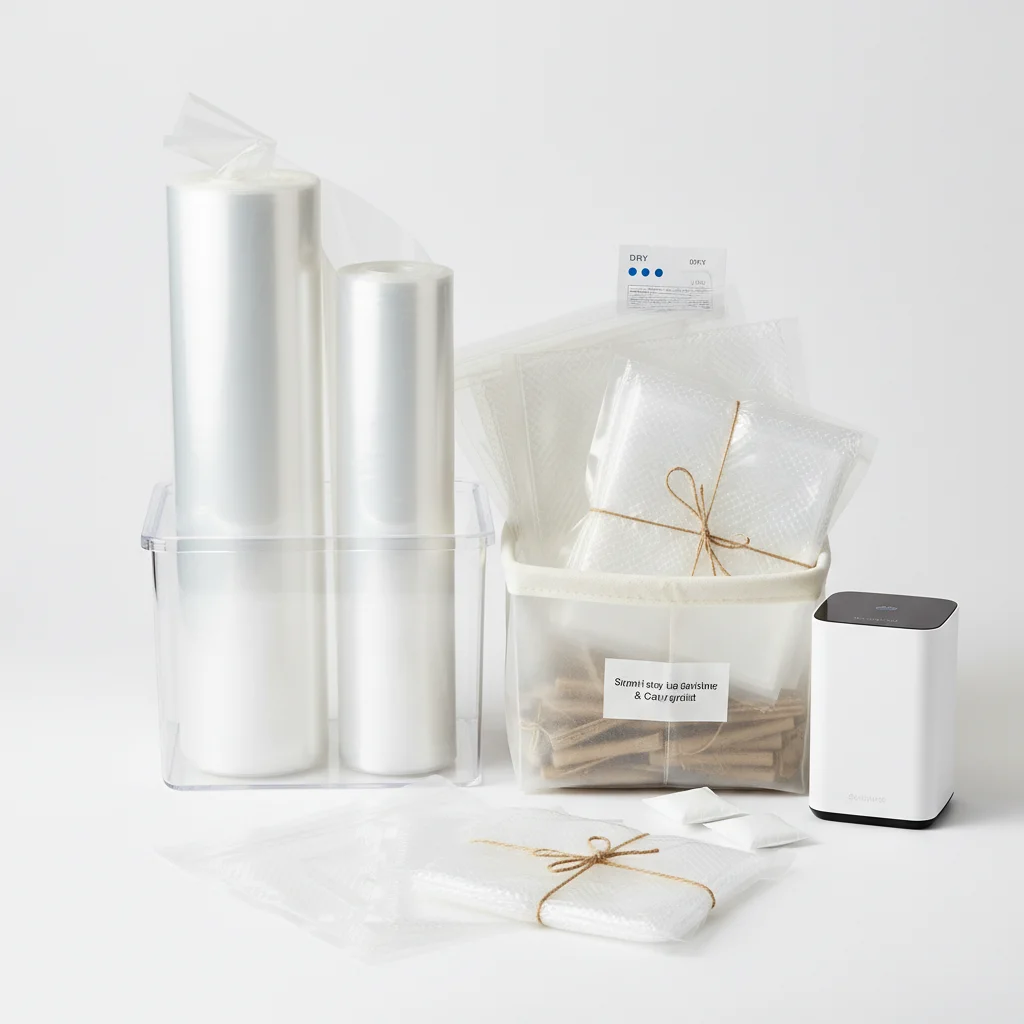
Properly storing your vacuum sealer bags is crucial for maintaining their integrity and ensuring optimal food preservation. When stored correctly, vacuum sealer bags can last for several years, often exceeding five years from their manufacturing date, provided they remain in their original packaging and are kept in ideal conditions. Improper storage, however, can lead to premature degradation, affecting their ability to create and hold a strong vacuum seal.
Understanding Bag Material and Degradation
Most vacuum sealer bags are made from multi-layer plastic films, typically a combination of polyethylene and nylon. The polyethylene provides the heat-sealable inner layer, while the nylon offers strength and an oxygen barrier. Over time, and especially when exposed to certain environmental factors, these layers can degrade. UV light, extreme temperatures, and high humidity are the primary culprits that can compromise the plastic’s structure, leading to brittleness, reduced sealing capability, and a diminished oxygen barrier.
Ideal Storage Conditions for Vacuum Sealer Bags
To maximize the lifespan of your vacuum sealer bags, aim for a cool, dry, and dark environment. A pantry, a kitchen cabinet away from direct sunlight, or a utility closet are excellent choices. The ideal temperature range is between 50°F and 70°F (10°C and 21°C), with humidity levels below 50%. Avoid storing bags near heat sources like ovens, stoves, or radiators, as prolonged exposure to heat can cause the plastic to soften and potentially stick together, making them unusable.
Protecting Bags from Light and Air Exposure
|
Our Picks for the Best Vacuum Sealer in 2026
As an Amazon Associate I earn from qualifying purchases.
|
||
| Num | Product | Action |
|---|---|---|
| 1 | FoodSaver Vacuum Sealer Machine, Automatic Bag Detection, Sous Vide Friendly, with sealer bags, roll, handheld vacuum sealer, black |

|
| 2 | Chef Preserve Compact Vacuum Sealer for Food (Vacuum Sealer Machine + 30 Reusable Vacuum Bags) Powerful Handheld Vacuum Sealer Machine, Seal Meal Saver, Portable Food Sealer |
|
| 3 | 95kPa Precision Vacuum Sealer Machine, Double Heat Seal for Dry/Moist Food, Easy-Lock Handle, Built-in Bag Storage & Cutter, Progress Display, Pulse Mode, Removable Drip Tray, Silver |
|
| 4 | FoodSaver PowerVac Compact Vacuum Sealing Machine Stainless Steel & Black Vertical Storage VS0150 | Preserves freshness reduces bag waste for both dry and wet food |
|
| 5 | Food Vacuum Sealer Machine, Powerful & Continuous Vacuum Sealing for Kitchen Storage & Meal Prep, Wet & Dry Food Sealing, Detachable Upper & Lower Design for Easy Cleaning, Includes 50 Bags |
|
| 6 | NutriChef Food Vacuum Sealer Machine - Automatic Air Sealing System for Dry & Moist Foods, LED Touch Controls, Includes Vacuum Bags, Hose & Wine Stopper, High Suction Power, 14"x6"x3", Silver |
|
| 7 | Mesliese Vacuum Sealer Machine Powerful 90Kpa Precision 6-in-1 Compact Food Preservation System with Cutter, 2 Bag Rolls & 5 Pre-cut Bags, Widened 12mm Sealing Strip, Dry&Moist Modes (Silver) |
|
| 8 | Nesco Deluxe Food VS-12 Vacuum Sealer, 130 Watts, Kit Bags & Viewing Lid, Compact, Silver |
|
| 9 | Anybear Vacuum Sealer Machine, 90kPa 120W Wide Seal All-IN-1 Powerful Food Storage, Build-in Cutter | Bags Storage | Digital Countdown Display | 2 Bag Rolls and 5pcs Pre-cut Bags (Gray) |
|
| 10 | 90KPa Portable Vacuum Sealer Machine for Food, One-Touch Open Lid, Detachable & Easy to Clean, Vertical Placement Saves Space, Powerful Suction for Freezer Bags & Food Storage |
|
Direct sunlight and even strong artificial light can accelerate the degradation of plastic. UV rays break down the polymer chains, making the bags brittle and less effective. Always keep bags in their original packaging, which often provides some light protection. If you’ve opened a box or roll, consider placing the remaining bags in an opaque container or a dark drawer. Minimizing air exposure is also beneficial, as it reduces the risk of dust or contaminants settling on the sealing surfaces, which could interfere with the vacuum seal.
Organizing Your Vacuum Sealer Bag Inventory
An organized storage system not only helps preserve your bags but also makes them easier to access. Consider these tips:
- Keep different sizes separated (e.g., quart, gallon, rolls).
- Use clear bins or drawers for easy visual identification.
- Label containers with bag sizes and purchase dates.
- Store rolls upright to prevent flattening or creasing.
- Avoid stacking heavy items on top of bag boxes, which can crush them.
By implementing these simple organizational strategies, you can maintain a tidy and efficient food preservation setup.
When to Discard Old or Damaged Bags
Even with perfect storage, bags don’t last forever. If you notice any of the following, it’s time to discard them: brittleness or stiffness, discoloration (especially yellowing), a strong plastic odor, or visible tears or punctures. A bag that feels unusually sticky or has a compromised texture will likely fail to create a reliable seal, putting your preserved food at risk. Always prioritize food safety over trying to salvage a questionable bag. For reliable new bags, consider options likewhich are known for their durability and consistent performance. If you’re looking for a more economical bulk option,offers great value without sacrificing quality.
The Impact of Proper Storage on Food Safety
The primary goal of vacuum sealing is to extend food freshness and prevent spoilage. If your vacuum sealer bags are compromised due to poor storage, they may not effectively remove oxygen or maintain the vacuum, leading to premature food spoilage. This can result in wasted food and potentially pose health risks. Investing a little time in proper bag storage is a small effort that yields significant returns in food safety and preservation efficiency.
Get our weekly buyer guide
Practical specs, not advice. Unsubscribe anytime.
