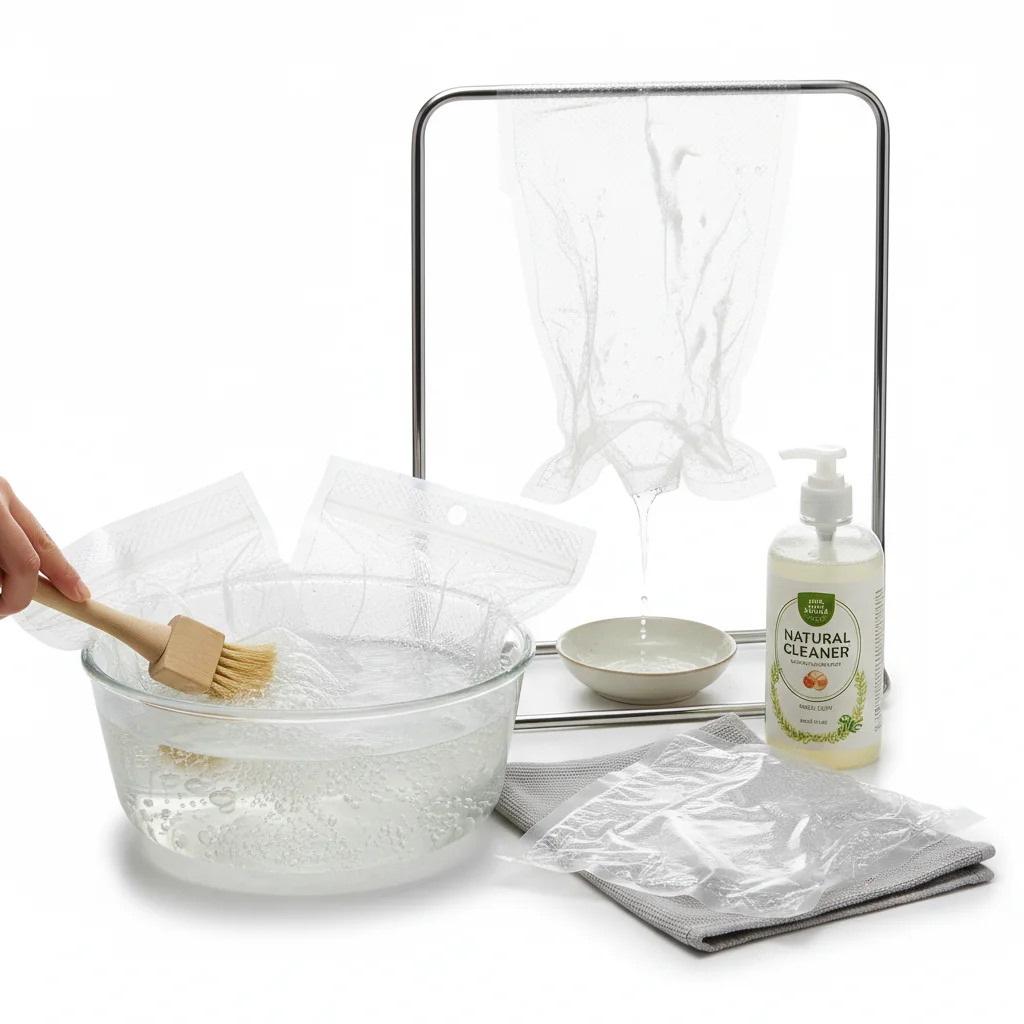
Cleaning and reusing vacuum sealer bags can significantly extend their utility and save you money, but it’s crucial to do so safely to prevent food contamination. You can safely clean and reuse most vacuum sealer bags up to three times, provided they were used for non-oily, non-raw foods and show no signs of damage.
Why Clean and Reuse Vacuum Sealer Bags?
Reusing vacuum sealer bags is an eco-friendly practice that reduces waste and lowers your household expenses. While not all bags are suitable for reuse, those that contained dry goods, cooked vegetables, or bread can often be given a second life. The key is thorough cleaning and inspection to ensure no food particles or bacteria remain.
Step-by-Step Guide to Cleaning Vacuum Sealer Bags
Proper cleaning is paramount for safe reuse. Begin by rinsing the bag immediately after opening to remove any food residue. For best results, wash the bags inside out with warm, soapy water. A bottle brush can be helpful for reaching corners and ensuring all surfaces are scrubbed clean. After washing, rinse thoroughly with clean water to remove all soap.
- Rinse immediately after use.
- Wash inside out with warm, soapy water.
- Use a bottle brush for thorough cleaning.
- Rinse thoroughly to remove all soap.
- Air dry completely before storage.
Drying and Storing Reusable Vacuum Sealer Bags
|
Our Picks for the Best Vacuum Sealer in 2026
As an Amazon Associate I earn from qualifying purchases.
|
||
| Num | Product | Action |
|---|---|---|
| 1 | 95kPa Precision Vacuum Sealer Machine, Double Heat Seal for Dry/Moist Food, Easy-Lock Handle, Built-in Bag Storage & Cutter, Progress Display, Pulse Mode, Removable Drip Tray, Silver |

|
| 2 | Food Vacuum Sealer Machine, Powerful & Continuous Vacuum Sealing for Kitchen Storage & Meal Prep, Wet & Dry Food Sealing, Detachable Upper & Lower Design for Easy Cleaning, Includes 50 Bags |
|
| 3 | NutriChef Food Vacuum Sealer Machine - Automatic Air Sealing System for Dry & Moist Foods, LED Touch Controls, Includes Vacuum Bags, Hose & Wine Stopper, High Suction Power, 14"x6"x3", Silver |
|
| 4 | FoodSaver Vacuum Sealer Machine, Automatic Bag Detection, Sous Vide Friendly, with sealer bags, roll, handheld vacuum sealer, black |
|
| 5 | Nesco Deluxe Food VS-12 Vacuum Sealer, 130 Watts, Kit Bags & Viewing Lid, Compact, Silver |
|
| 6 | Mesliese Vacuum Sealer Machine Powerful 90Kpa Precision 6-in-1 Compact Food Preservation System with Cutter, 2 Bag Rolls & 5 Pre-cut Bags, Widened 12mm Sealing Strip, Dry&Moist Modes (Silver) |
|
| 7 | Chef Preserve Compact Vacuum Sealer for Food (Vacuum Sealer Machine + 30 Reusable Vacuum Bags) Powerful Handheld Vacuum Sealer Machine, Seal Meal Saver, Portable Food Sealer |
|
| 8 | FoodSaver PowerVac Compact Vacuum Sealing Machine Stainless Steel & Black Vertical Storage VS0150 | Preserves freshness reduces bag waste for both dry and wet food |
|
| 9 | Anybear Vacuum Sealer Machine, 90kPa 120W Wide Seal All-IN-1 Powerful Food Storage, Build-in Cutter | Bags Storage | Digital Countdown Display | 2 Bag Rolls and 5pcs Pre-cut Bags (Gray) |
|
| 10 | 90KPa Portable Vacuum Sealer Machine for Food, One-Touch Open Lid, Detachable & Easy to Clean, Vertical Placement Saves Space, Powerful Suction for Freezer Bags & Food Storage |
|
Complete drying is essential to prevent mold and bacterial growth. After rinsing, hang the bags upside down to air dry. You can use a clothesline or a dish rack. Ensure they are completely dry, both inside and out, before storing them. Storing damp bags can lead to mildew and render them unsafe for food contact. Once dry, fold them neatly and store them in a clean, dry place, ready for their next use.
When Not to Reuse Vacuum Sealer Bags
Not all vacuum sealer bags are candidates for reuse. Bags that contained raw meat, poultry, fish, or oily foods should always be discarded after a single use. The risk of cross-contamination from bacteria or residual oils is too high, even with thorough cleaning. Additionally, if a bag has any punctures, tears, or has been exposed to extreme temperatures that might compromise its integrity, it should not be reused. Always prioritize food safety over cost savings.
Extending the Life of Your Vacuum Sealer Bags
To maximize the reusability of your bags, consider how you initially seal them. Leaving a little extra length at the open end allows for trimming and resealing multiple times. When sealing, try to keep the sealing area clean and dry to ensure a strong, consistent seal. Investing in high-quality, thicker bags can also contribute to their longevity and ability to withstand multiple cleaning cycles.These durable bags are designed for repeated use, offering excellent value over time. For those frequently preserving liquids, consider using a chamber vacuum sealer, which can handle wet items more effectively and reduce the need for bag trimming.This can further extend the life of your bags by preventing messy seals that often require cutting and shortening the bag.
Get our weekly buyer guide
Practical specs, not advice. Unsubscribe anytime.
