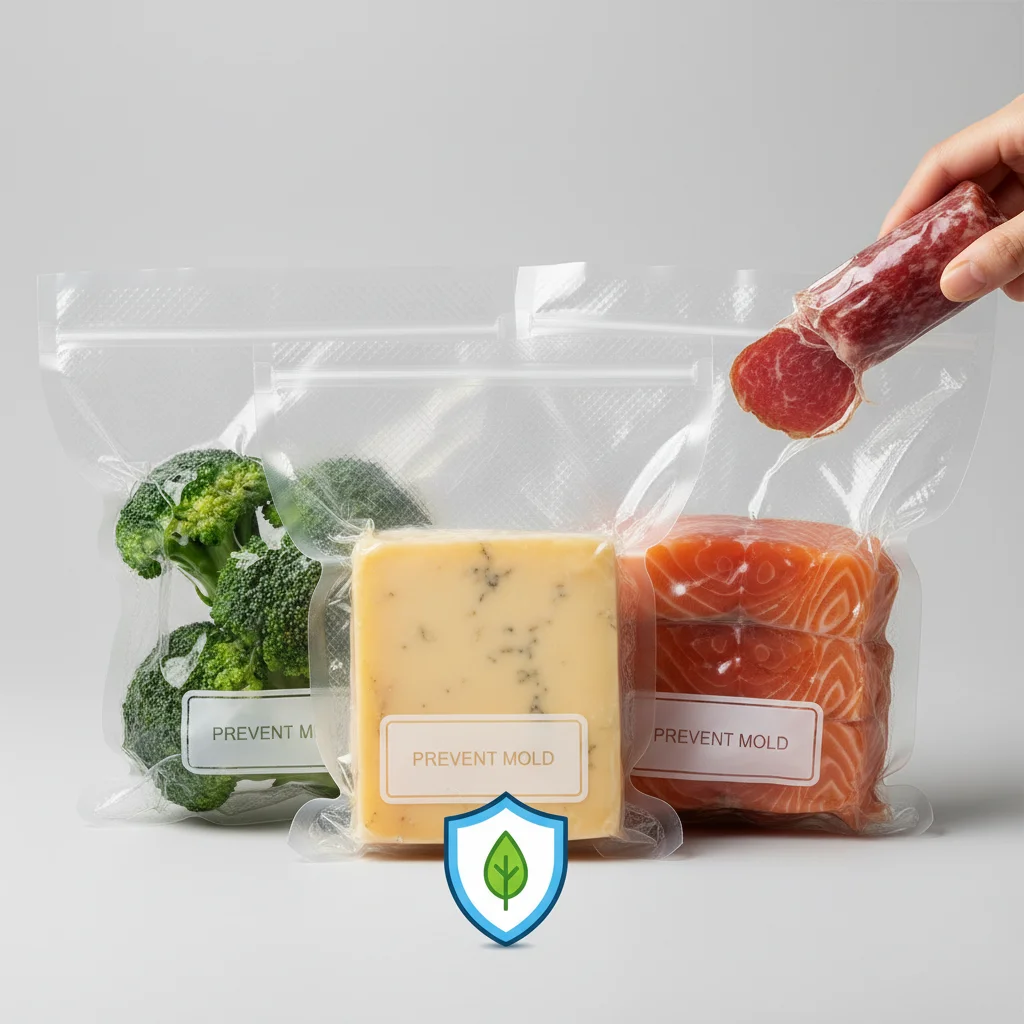
Preventing mold growth in vacuum sealer bags is crucial for food safety and longevity. The most effective method involves a combination of proper food preparation, ensuring a complete seal, and maintaining appropriate storage temperatures. Specifically, you can significantly reduce mold risk by blanching vegetables, pre-freezing moist items, and ensuring all surfaces are dry before sealing.
Understanding Mold Growth in Sealed Environments
Mold spores are ubiquitous and can survive in various conditions, even with limited oxygen. While vacuum sealing removes most air, it doesn’t create a perfect vacuum or sterilize the food. Mold requires moisture, a food source, and a suitable temperature to thrive. Anaerobic molds, though less common, can still grow in low-oxygen environments. Therefore, simply removing air isn’t enough; you must address other factors that contribute to mold development.
Pre-Treatment for Mold Prevention
Proper pre-treatment of food is your first line of defense against mold. For vegetables, blanching them before vacuum sealing can kill surface molds and enzymes that cause spoilage. For fruits and other moist items, consider pre-freezing them on a tray until solid. This not only helps maintain their shape but also reduces the amount of free moisture available for mold growth once sealed. Always ensure food is completely cool before sealing, as residual heat can create condensation inside the bag.
- Blanch vegetables to eliminate surface molds and enzymes.
- Pre-freeze moist foods to reduce free water and maintain shape.
- Ensure all food items are completely dry before sealing.
- Cool cooked foods thoroughly before vacuum packing.
- Use a food-grade desiccant packet for extremely moisture-sensitive items.
Achieving an Optimal Vacuum Seal
|
Our Picks for the Best Vacuum Sealer in 2026
As an Amazon Associate I earn from qualifying purchases.
|
||
| Num | Product | Action |
|---|---|---|
| 1 | Anybear Vacuum Sealer Machine, 90kPa 120W Wide Seal All-IN-1 Powerful Food Storage, Build-in Cutter | Bags Storage | Digital Countdown Display | 2 Bag Rolls and 5pcs Pre-cut Bags (Gray) |

|
| 2 | Mesliese Vacuum Sealer Machine Powerful 90Kpa Precision 6-in-1 Compact Food Preservation System with Cutter, 2 Bag Rolls & 5 Pre-cut Bags, Widened 12mm Sealing Strip, Dry&Moist Modes (Silver) |
|
| 3 | Nesco Deluxe Food VS-12 Vacuum Sealer, 130 Watts, Kit Bags & Viewing Lid, Compact, Silver |
|
| 4 | FoodSaver PowerVac Compact Vacuum Sealing Machine Stainless Steel & Black Vertical Storage VS0150 | Preserves freshness reduces bag waste for both dry and wet food |
|
| 5 | 95kPa Precision Vacuum Sealer Machine, Double Heat Seal for Dry/Moist Food, Easy-Lock Handle, Built-in Bag Storage & Cutter, Progress Display, Pulse Mode, Removable Drip Tray, Silver |
|
| 6 | NutriChef Food Vacuum Sealer Machine - Automatic Air Sealing System for Dry & Moist Foods, LED Touch Controls, Includes Vacuum Bags, Hose & Wine Stopper, High Suction Power, 14"x6"x3", Silver |
|
| 7 | Chef Preserve Compact Vacuum Sealer for Food (Vacuum Sealer Machine + 30 Reusable Vacuum Bags) Powerful Handheld Vacuum Sealer Machine, Seal Meal Saver, Portable Food Sealer |
|
| 8 | 90KPa Portable Vacuum Sealer Machine for Food, One-Touch Open Lid, Detachable & Easy to Clean, Vertical Placement Saves Space, Powerful Suction for Freezer Bags & Food Storage |
|
| 9 | FoodSaver Vacuum Sealer Machine, Automatic Bag Detection, Sous Vide Friendly, with sealer bags, roll, handheld vacuum sealer, black |
|
| 10 | Food Vacuum Sealer Machine, Powerful & Continuous Vacuum Sealing for Kitchen Storage & Meal Prep, Wet & Dry Food Sealing, Detachable Upper & Lower Design for Easy Cleaning, Includes 50 Bags |
|
A strong, consistent seal is paramount. Any tiny air leak can introduce oxygen, allowing mold to flourish. Inspect your vacuum sealer’s gasket and heat strip regularly for wear and tear. Make sure the bag is free of wrinkles in the sealing area and that no food particles are caught in the seal. For items with sharp edges, consider using a paper towel or a small piece of bag material as a buffer to prevent punctures. Double-sealing bags, especially for liquids or high-moisture foods, provides an extra layer of protection.
Storage Conditions and Bag Selection
Even with a perfect seal, storage conditions play a vital role. Always store vacuum-sealed foods at appropriate temperatures—refrigerated for short-term, frozen for long-term. Fluctuating temperatures can lead to condensation inside the bag, creating a prime environment for mold. The quality of your vacuum sealer bags also matters. Opt for thick, multi-ply bags designed for long-term food storage, as they are less prone to punctures and maintain their barrier properties better.
When to Discard and Safety Precautions
If you observe any signs of mold growth, discoloration, or an off-odor in your vacuum-sealed food, discard it immediately. Do not attempt to cut off the moldy portion, as mold often has invisible roots that penetrate deeper into the food. While vacuum sealing significantly extends shelf life, it does not make food last indefinitely. Always adhere to safe food handling practices and consume foods within their recommended vacuum-sealed storage times. For reliable vacuum sealer bags that minimize mold risk, consider options like.
Get our weekly buyer guide
Practical specs, not advice. Unsubscribe anytime.

I appreciate the info on anaerobic molds, I didn’t realize they could still grow in low-oxygen environments. I’ve been really careful with blanching my veggies, but I still had some issues with my homemade tomato sauce. I think I need to be even more diligent about the storage temperatures, as that’s one area I might be slacking a bit.
I used to struggle with mold on my frozen berries, even after vacuum sealing them. The tip about pre-freezing moist items before sealing has been a game-changer! No more fuzzy surprises when I go to make my smoothies. It really makes a difference for delicate fruits.
This really helped me understand why some of my vacuum-sealed foods were still getting mold. I always thought removing the air was the only thing that mattered. Now I’m much more careful about proper food preparation and making sure I get a complete seal every time. My freezer stash is lasting so much longer!
Great advice on ensuring everything is dry before sealing. I thought just getting the air out was enough, but I’ve had a few batches of blanched green beans get moldy. Now I make sure they’re completely dry, and it seems to be working. Still, sometimes it’s hard to get everything perfectly dry without a lot of extra effort.