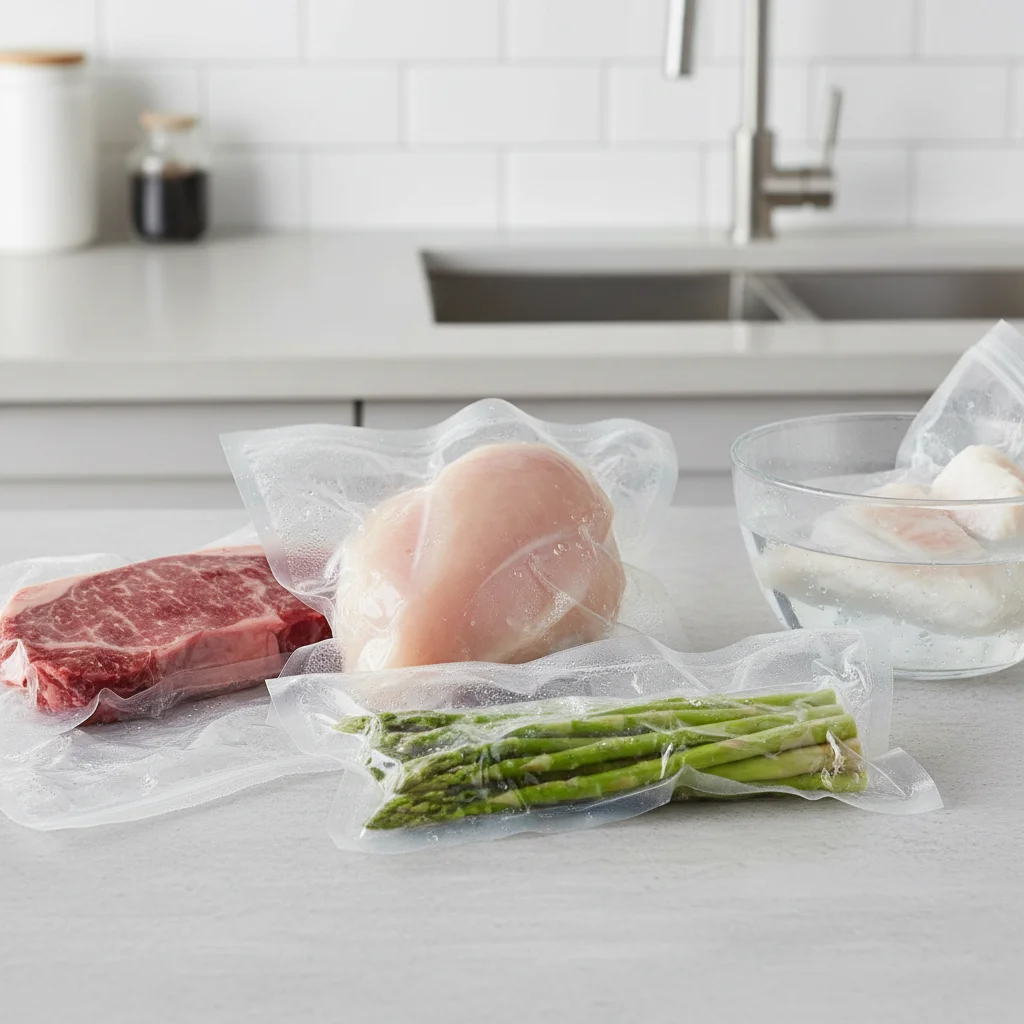
Defrosting foods safely in vacuum sealer bags is a straightforward process that primarily involves using a refrigerator, cold water, or a microwave. The safest and most recommended method for defrosting any food, especially meats and poultry, is always in the refrigerator, which can take 24 hours or more depending on the size of the item. This slow, consistent thawing prevents bacterial growth by keeping the food at a safe temperature throughout the process.
Refrigerator Defrosting: The Safest Method
Defrosting food in the refrigerator is the safest method because it maintains a consistent temperature below 40°F (4°C), inhibiting bacterial growth. Simply transfer your vacuum-sealed food from the freezer to a plate or tray in the refrigerator. A small item, like a single chicken breast, might thaw overnight, while a larger roast could take two days or more. Plan ahead for this method, as it requires significant time. Once thawed, food can remain safely in the refrigerator for an additional 1-2 days for most items, or 3-5 days for ground meat and poultry, before cooking.
Cold Water Defrosting: A Faster Alternative
For quicker defrosting, the cold water method is an excellent option. Place the vacuum-sealed food in a leak-proof bag (if the original seal seems compromised) and submerge it in a bowl or sink filled with cold tap water. Change the water every 30 minutes to ensure it remains cold and to facilitate faster thawing. A 1-pound package of food typically thaws in about an hour, while a 3-4 pound package may take 2-3 hours. It’s crucial that the food remains completely submerged and that the water is consistently cold. Food thawed using this method should be cooked immediately.
Microwave Defrosting: For Immediate Cooking
|
Our Picks for the Best Vacuum Sealer in 2026
As an Amazon Associate I earn from qualifying purchases.
|
||
| Num | Product | Action |
|---|---|---|
| 1 | 90KPa Portable Vacuum Sealer Machine for Food, One-Touch Open Lid, Detachable & Easy to Clean, Vertical Placement Saves Space, Powerful Suction for Freezer Bags & Food Storage |

|
| 2 | FoodSaver PowerVac Compact Vacuum Sealing Machine Stainless Steel & Black Vertical Storage VS0150 | Preserves freshness reduces bag waste for both dry and wet food |
|
| 3 | FoodSaver Vacuum Sealer Machine, Automatic Bag Detection, Sous Vide Friendly, with sealer bags, roll, handheld vacuum sealer, black |
|
| 4 | Chef Preserve Compact Vacuum Sealer for Food (Vacuum Sealer Machine + 30 Reusable Vacuum Bags) Powerful Handheld Vacuum Sealer Machine, Seal Meal Saver, Portable Food Sealer |
|
| 5 | NutriChef Food Vacuum Sealer Machine - Automatic Air Sealing System for Dry & Moist Foods, LED Touch Controls, Includes Vacuum Bags, Hose & Wine Stopper, High Suction Power, 14"x6"x3", Silver |
|
| 6 | Mesliese Vacuum Sealer Machine Powerful 90Kpa Precision 6-in-1 Compact Food Preservation System with Cutter, 2 Bag Rolls & 5 Pre-cut Bags, Widened 12mm Sealing Strip, Dry&Moist Modes (Silver) |
|
| 7 | Food Vacuum Sealer Machine, Powerful & Continuous Vacuum Sealing for Kitchen Storage & Meal Prep, Wet & Dry Food Sealing, Detachable Upper & Lower Design for Easy Cleaning, Includes 50 Bags |
|
| 8 | Anybear Vacuum Sealer Machine, 90kPa 120W Wide Seal All-IN-1 Powerful Food Storage, Build-in Cutter | Bags Storage | Digital Countdown Display | 2 Bag Rolls and 5pcs Pre-cut Bags (Gray) |
|
| 9 | 95kPa Precision Vacuum Sealer Machine, Double Heat Seal for Dry/Moist Food, Easy-Lock Handle, Built-in Bag Storage & Cutter, Progress Display, Pulse Mode, Removable Drip Tray, Silver |
|
| 10 | Nesco Deluxe Food VS-12 Vacuum Sealer, 130 Watts, Kit Bags & Viewing Lid, Compact, Silver |
|
Microwave defrosting is the fastest method, but it should only be used if you plan to cook the food immediately after thawing. Remove the vacuum-sealed food from its bag and place it on a microwave-safe plate. Use your microwave’s defrost setting, or a low power setting, and rotate the food frequently to ensure even thawing. Be aware that some areas of the food may begin to cook during this process. Because microwave thawing can bring food into the ‘danger zone’ (between 40°F and 140°F where bacteria multiply rapidly), immediate cooking is essential to prevent foodborne illness.
Best Practices for Defrosting Vacuum-Sealed Foods
Regardless of the method you choose, always ensure your vacuum sealer bags are intact and free from punctures or tears before defrosting. A compromised bag can allow water or air to enter, potentially contaminating the food. For refrigerator defrosting, place the sealed bag on a plate to catch any condensation. For cold water thawing, ensure the bag is completely submerged and change the water regularly. When using a microwave, always remove the food from the vacuum bag first.
- Always check vacuum seal bags for damage before defrosting.
- Use a plate or tray under food when defrosting in the refrigerator.
- Change cold water every 30 minutes for efficient thawing.
- Cook food immediately after thawing with cold water or microwave methods.
- Never refreeze food thawed in cold water or the microwave.
Avoiding Common Defrosting Mistakes
One of the most common mistakes is defrosting food at room temperature. This practice allows bacteria to multiply rapidly on the surface of the food while the interior remains frozen, making it unsafe to eat. Another error is using hot water for thawing, which can also promote bacterial growth and negatively affect the food’s texture. Always stick to the recommended safe defrosting methods to maintain food quality and safety. Proper defrosting ensures your preserved foods retain their flavor and texture, making your meal preparation both safe and enjoyable.Investing in high-quality vacuum sealer bags can also make a significant difference in the safety and efficiency of your defrosting process. Bags designed for freezer-to-microwave use offer added convenience.
Get our weekly buyer guide
Practical specs, not advice. Unsubscribe anytime.
