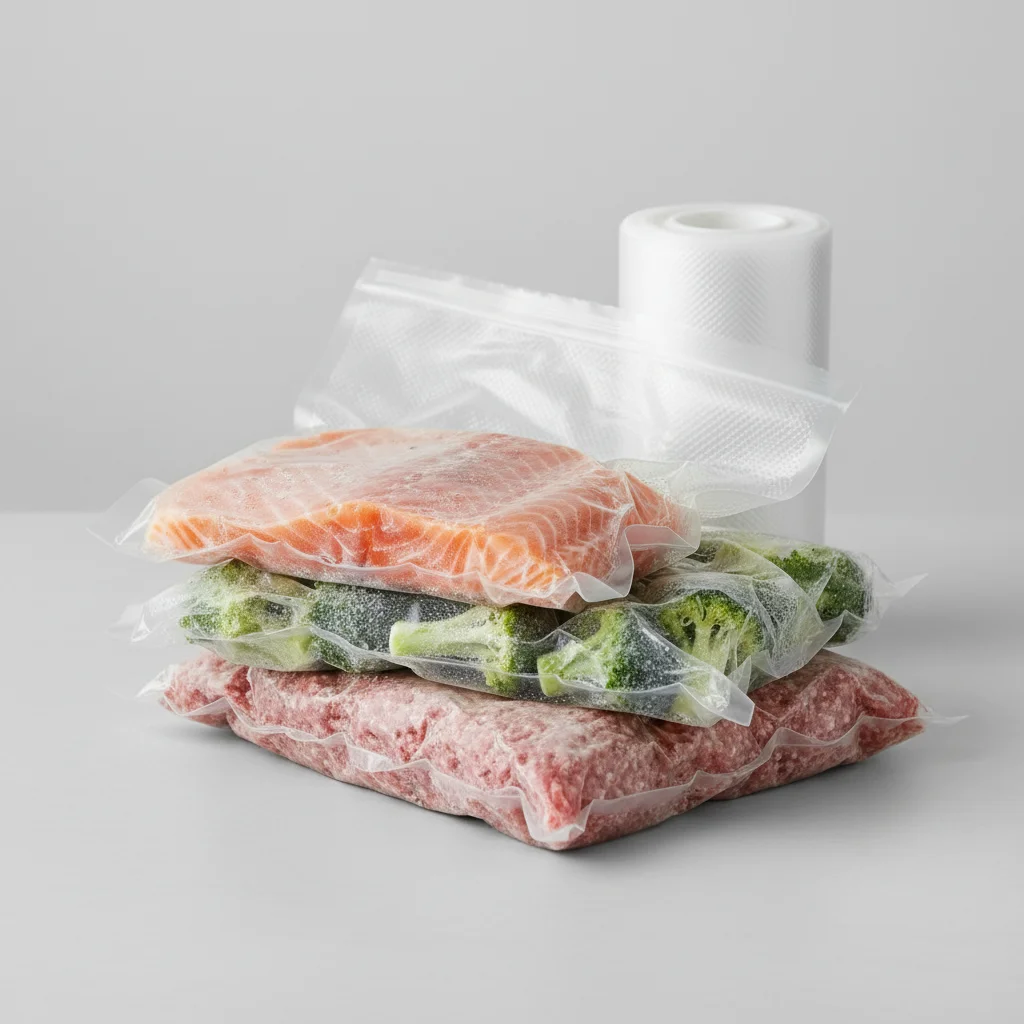
Yes, vacuum sealer bags are generally safe for freezer storage, provided they are specifically designed for food use and are made from appropriate materials. Most reputable brands manufacture bags that are BPA-free and constructed from multi-layer plastics, typically polyethylene and nylon, which are engineered to withstand the extreme cold of a freezer without becoming brittle or leaching harmful chemicals into your food. This design ensures optimal protection against freezer burn and maintains food quality for extended periods.
Understanding Vacuum Sealer Bag Materials
The safety and effectiveness of vacuum sealer bags in the freezer largely depend on their material composition. High-quality bags are typically made from a combination of polyethylene (PE) and nylon (PA). Polyethylene provides flexibility and a good sealing surface, while nylon offers strength and an excellent oxygen barrier. This multi-layer construction is crucial for preventing freezer burn, which occurs when food is exposed to air and dehydrates. Always check product descriptions to ensure the bags you purchase are food-grade and freezer-safe. For shop curated home food on this site.
Preventing Freezer Burn with Vacuum Sealing
One of the primary benefits of using vacuum sealer bags for freezer storage is their ability to prevent freezer burn. By removing air from the package, vacuum sealing eliminates the oxygen that causes oxidation and dehydration, the main culprits behind freezer burn. This process helps to maintain the food’s flavor, texture, and nutritional value for much longer than traditional storage methods. For best results, ensure your vacuum sealer creates a tight, consistent seal every time.
Tips for Optimal Freezer Storage with Vacuum Bags
|
Our Picks for the Best Vacuum Sealer in 2026
As an Amazon Associate I earn from qualifying purchases.
|
||
| Num | Product | Action |
|---|---|---|
| 1 | Anybear Vacuum Sealer Machine, 90kPa 120W Wide Seal All-IN-1 Powerful Food Storage, Build-in Cutter | Bags Storage | Digital Countdown Display | 2 Bag Rolls and 5pcs Pre-cut Bags (Gray) |

|
| 2 | Chef Preserve Compact Vacuum Sealer for Food (Vacuum Sealer Machine + 30 Reusable Vacuum Bags) Powerful Handheld Vacuum Sealer Machine, Seal Meal Saver, Portable Food Sealer |
|
| 3 | FoodSaver PowerVac Compact Vacuum Sealing Machine Stainless Steel & Black Vertical Storage VS0150 | Preserves freshness reduces bag waste for both dry and wet food |
|
| 4 | FoodSaver Vacuum Sealer Machine, Automatic Bag Detection, Sous Vide Friendly, with sealer bags, roll, handheld vacuum sealer, black |
|
| 5 | 90KPa Portable Vacuum Sealer Machine for Food, One-Touch Open Lid, Detachable & Easy to Clean, Vertical Placement Saves Space, Powerful Suction for Freezer Bags & Food Storage |
|
| 6 | 95kPa Precision Vacuum Sealer Machine, Double Heat Seal for Dry/Moist Food, Easy-Lock Handle, Built-in Bag Storage & Cutter, Progress Display, Pulse Mode, Removable Drip Tray, Silver |
|
| 7 | Mesliese Vacuum Sealer Machine Powerful 90Kpa Precision 6-in-1 Compact Food Preservation System with Cutter, 2 Bag Rolls & 5 Pre-cut Bags, Widened 12mm Sealing Strip, Dry&Moist Modes (Silver) |
|
| 8 | Food Vacuum Sealer Machine, Powerful & Continuous Vacuum Sealing for Kitchen Storage & Meal Prep, Wet & Dry Food Sealing, Detachable Upper & Lower Design for Easy Cleaning, Includes 50 Bags |
|
| 9 | NutriChef Food Vacuum Sealer Machine - Automatic Air Sealing System for Dry & Moist Foods, LED Touch Controls, Includes Vacuum Bags, Hose & Wine Stopper, High Suction Power, 14"x6"x3", Silver |
|
| 10 | Nesco Deluxe Food VS-12 Vacuum Sealer, 130 Watts, Kit Bags & Viewing Lid, Compact, Silver |
|
- Pre-freeze liquids and soft foods: To prevent crushing and ensure a good seal, partially freeze items like soups, stews, or berries on a tray before vacuum sealing.
- Label and date everything: Clearly mark each bag with the contents and the date it was sealed to help with inventory management and ensure proper rotation.
- Avoid overfilling bags: Leave at least 2-3 inches of space between the food and the seal line to allow for proper air removal and a strong seal.
- Clean the sealing area: Ensure the inside of the bag near the seal line is clean and dry to prevent moisture or food particles from compromising the seal.
- Consider bag thickness: For items with sharp edges, like bones, use thicker bags or add an extra layer of material to prevent punctures.
How Long Can Food Last in a Vacuum Sealer Bag in the Freezer?
The shelf life of food stored in vacuum sealer bags in the freezer can be significantly extended compared to conventional methods. While exact times vary by food type, most items can last 2-3 times longer. For example, fresh meat might last 6-12 months in a regular freezer bag, but 2-3 years when vacuum sealed. Vegetables can go from 8-12 months to 1-2 years, and baked goods can extend from 6 months to over a year. Always refer to specific food safety guidelines for precise recommendations.
Are There Any Downsides to Freezing in Vacuum Sealer Bags?
While highly effective, there are a few considerations when using vacuum sealer bags for freezing. The initial investment in a vacuum sealer and bags can be higher than traditional storage. Also, some delicate foods, like soft cheeses or certain types of bread, might get slightly compressed during the vacuuming process. However, for the vast majority of foods, the benefits of extended freshness and freezer burn prevention far outweigh these minor drawbacks.For a wide selection of freezer-safe vacuum sealer bags, consider exploring options that are specifically designed for long-term frozen storage.
Get our weekly buyer guide
Practical specs, not advice. Unsubscribe anytime.
