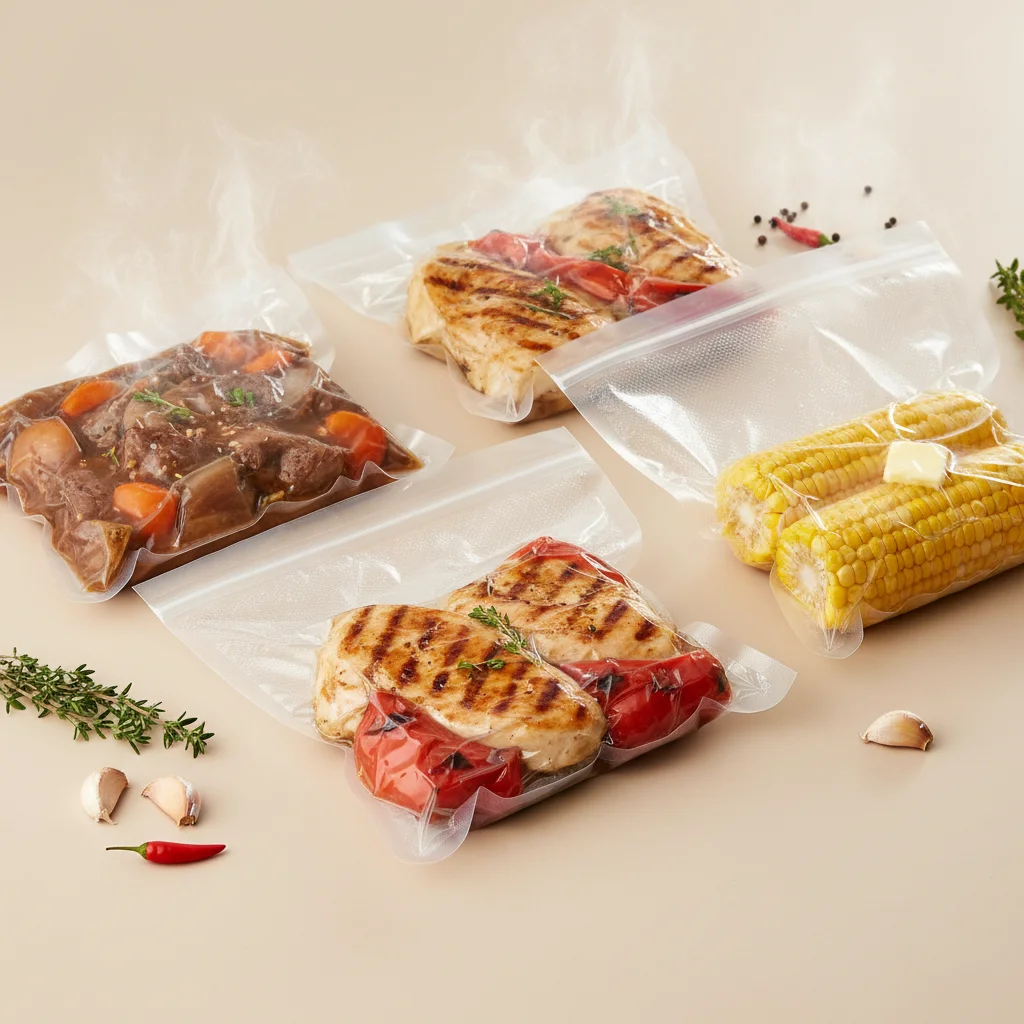
Vacuum sealer bags are generally safe for hot foods, but with important caveats regarding temperature and material. Most standard vacuum sealer bags are made from multi-layer plastic, typically a blend of polyethylene and nylon, designed to withstand a range of temperatures. However, direct contact with extremely hot foods (above 180°F or 82°C) can cause the plastic to leach chemicals or even melt, compromising both food safety and the seal’s integrity. It’s crucial to allow foods to cool to at least room temperature, or ideally below 100°F (38°C), before vacuum sealing to ensure safety and optimal preservation.
Understanding Vacuum Sealer Bag Materials and Heat Tolerance
The safety of vacuum sealer bags with hot foods largely depends on their construction. The inner layer, usually polyethylene, provides the heat-sealable surface and flexibility, while the outer nylon layer offers strength and an oxygen barrier. While these materials are food-grade, they have specific temperature limits. Exceeding these limits can lead to plastic degradation, potentially releasing undesirable compounds into your food. Always check the manufacturer’s specifications for the exact temperature range your bags can safely handle, especially if you plan to use them for methods like sous vide, which involves controlled heating.
Why Cooling Foods Before Sealing is Essential
Sealing hot foods directly can create several problems. First, the heat can cause steam and condensation inside the bag, which can interfere with the vacuum process, leading to a weak or incomplete seal. This compromises the food’s shelf life and can lead to spoilage. Second, the heat can soften the plastic, making it more susceptible to punctures from sharp food edges or bones. Third, and most importantly, rapid cooling of sealed hot food can create a dangerous environment for bacterial growth if not done correctly. It’s always best practice to cool foods quickly and thoroughly before sealing to prevent the ‘danger zone’ for bacteria.
Best Practices for Vacuum Sealing Warm or Cooked Foods
|
Our Picks for the Best Vacuum Sealer in 2026
As an Amazon Associate I earn from qualifying purchases.
|
||
| Num | Product | Action |
|---|---|---|
| 1 | 90KPa Portable Vacuum Sealer Machine for Food, One-Touch Open Lid, Detachable & Easy to Clean, Vertical Placement Saves Space, Powerful Suction for Freezer Bags & Food Storage |

|
| 2 | Food Vacuum Sealer Machine, Powerful & Continuous Vacuum Sealing for Kitchen Storage & Meal Prep, Wet & Dry Food Sealing, Detachable Upper & Lower Design for Easy Cleaning, Includes 50 Bags |
|
| 3 | Mesliese Vacuum Sealer Machine Powerful 90Kpa Precision 6-in-1 Compact Food Preservation System with Cutter, 2 Bag Rolls & 5 Pre-cut Bags, Widened 12mm Sealing Strip, Dry&Moist Modes (Silver) |
|
| 4 | NutriChef Food Vacuum Sealer Machine - Automatic Air Sealing System for Dry & Moist Foods, LED Touch Controls, Includes Vacuum Bags, Hose & Wine Stopper, High Suction Power, 14"x6"x3", Silver |
|
| 5 | Nesco Deluxe Food VS-12 Vacuum Sealer, 130 Watts, Kit Bags & Viewing Lid, Compact, Silver |
|
| 6 | Chef Preserve Compact Vacuum Sealer for Food (Vacuum Sealer Machine + 30 Reusable Vacuum Bags) Powerful Handheld Vacuum Sealer Machine, Seal Meal Saver, Portable Food Sealer |
|
| 7 | 95kPa Precision Vacuum Sealer Machine, Double Heat Seal for Dry/Moist Food, Easy-Lock Handle, Built-in Bag Storage & Cutter, Progress Display, Pulse Mode, Removable Drip Tray, Silver |
|
| 8 | FoodSaver Vacuum Sealer Machine, Automatic Bag Detection, Sous Vide Friendly, with sealer bags, roll, handheld vacuum sealer, black |
|
| 9 | FoodSaver PowerVac Compact Vacuum Sealing Machine Stainless Steel & Black Vertical Storage VS0150 | Preserves freshness reduces bag waste for both dry and wet food |
|
| 10 | Anybear Vacuum Sealer Machine, 90kPa 120W Wide Seal All-IN-1 Powerful Food Storage, Build-in Cutter | Bags Storage | Digital Countdown Display | 2 Bag Rolls and 5pcs Pre-cut Bags (Gray) |
|
When preparing to vacuum seal cooked foods, prioritize cooling. Spread hot foods in a shallow layer on a tray to cool rapidly in the refrigerator or freezer. Once the food has reached a safe temperature (below 40°F or 4°C), it’s ready for vacuum sealing. For liquids or foods with high liquid content, consider pre-freezing them in a container until solid enough to handle, then vacuum seal the frozen block. This prevents liquids from being drawn into the vacuum sealer’s drip tray, which can damage the machine and create an ineffective seal.
Potential Risks of Sealing Foods That Are Too Hot
Sealing foods that are too hot poses several risks. The most immediate is the potential for the bag to melt or deform, leading to a failed seal and wasted food. Beyond that, there’s a risk of chemical leaching from the plastic into the food. While most food-grade plastics are considered safe at recommended temperatures, extreme heat can accelerate the breakdown of polymers, potentially releasing phthalates or other compounds. Always err on the side of caution and ensure foods are adequately cooled before sealing to maintain both food quality and safety.
Tips for Safely Handling and Sealing Cooked Meals
- Always cool cooked food to at least room temperature, preferably refrigerated temperature, before vacuum sealing.
- For soups or stews, pre-freeze them in a freezer-safe container until solid, then remove and vacuum seal the frozen block.
- Use a ‘moist’ setting on your vacuum sealer if available, which provides a slightly longer seal time for foods with residual moisture.
- Ensure the sealing area of the bag is clean and dry to achieve a strong, reliable seal.
- Label bags with the date and contents immediately after sealing for easy tracking and proper rotation.
By following these guidelines, you can safely and effectively use your vacuum sealer to preserve cooked foods, extending their freshness and reducing waste. Proper cooling is the single most important step to ensure both the integrity of the seal and the safety of your food.
Get our weekly buyer guide
Practical specs, not advice. Unsubscribe anytime.

This was exactly what I needed to read! I’ve been hesitant to use my vacuum sealer for things like stews and sauces because I wasn’t sure about the heat. Understanding that the outer nylon layer provides strength and the inner polyethylene is for sealing really helped me trust the process more. I’m going to start pre-cooling my meals properly now.
While the information about cooling food is useful, I wish there were more specific brand recommendations for bags that handle slightly warmer temps better. It’s a bit inconvenient to wait for everything to get super cold, especially when I’m trying to get dinner prepped quickly. Still, knowing about the chemical leaching risk is important, so I’ll stick to the guidelines.
I’ve always wondered about sealing hot foods and this really cleared things up. I used to just throw everything in the bag right after cooking, but now I know to let it cool down to at least room temperature. The tip about the polyethylene and nylon layers was super helpful for understanding why some bags are better than others. My last batch of soup sealed perfectly after I let it chill first!
Good info here. I’ve had issues with seals failing when I tried to bag warm leftovers, and now I understand why. The mention of 180°F being too hot for direct contact makes a lot of sense. I’m going to be much more careful about letting things cool below 100°F before sealing from now on. It’s a small extra step but worth it for food safety.